You must know Kyoto is a city in Japan known for its history, culture, and scenic beauty. Once the imperial capital, it is home to many temples, shrines, and gardens. Visitors can walk through rows of red torii gates at Fushimi Inari Shrine, see geishas in the Gion district, and enjoy peaceful moments in traditional rock gardens. Kyoto also offers seasonal beauty, from cherry blossoms in spring to colorful leaves in autumn. The city blends old traditions with modern life, making it a unique place to explore. Whether you are interested in culture, nature, or food, there are many things to do in Kyoto that will give you a true taste of Japan’s heritage. Here we have mentioned some of the top things to do in Kyoto on your next trip.
14 Amazing Things to Do in Kyoto for an Unforgettable Experiences
1. Walk Through the Fushimi Inari Shrine
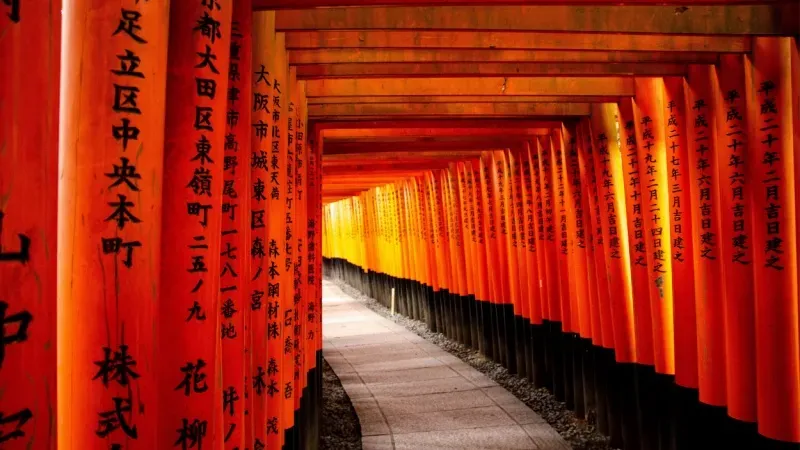
This iconic shrine is famous for its thousands of vibrant red torii gates that create mesmerising tunnels up a mountainside. It's dedicated to Inari, the Shinto god of rice, and is one of the most visually stunning spots in all of Japan. The hike to the summit offers not only a spiritual journey but also breathtaking views of Kyoto. Walking through the seemingly endless path of gates is a surreal experience, making you feel as though you've stepped into another world. It’s a must-visit for photographers and anyone looking to experience a quintessential Japanese landmark.
Activities to Try: Hike the full 4-kilometer trail to the Yotsutsuji intersection for panoramic city views. You can also purchase a small torii gate to write a wish on.
Opening Hours: 24/7, and it's free to enter.
2. Visit the Golden Pavilion (Kinkaku-ji)
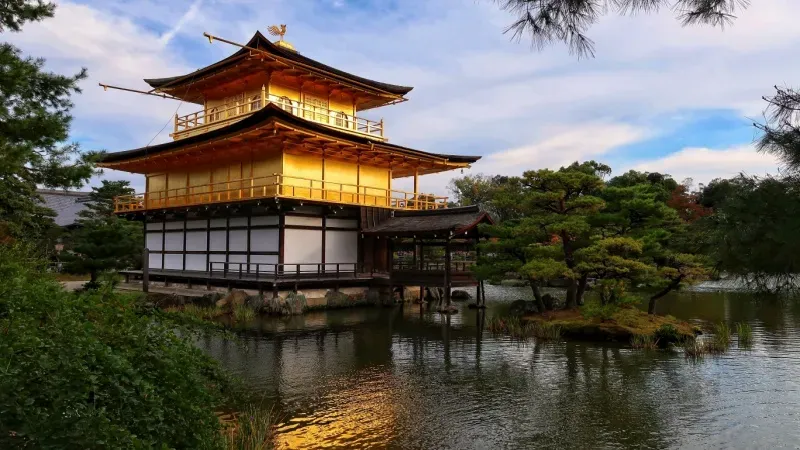
The Golden Pavilion, or Kinkaku-ji, is a famous Zen Buddhist temple in Kyoto, Japan. Its top two floors are covered in gold leaf, creating a striking reflection on the pond below. Originally built in 1397 as a villa for a shogun, it was later turned into a temple. The surrounding gardens are designed in the traditional Japanese style, offering beautiful views in every season. Visitors can walk along the paths to enjoy different angles of the temple and its landscape. Kinkaku-ji is one of Kyoto’s most visited landmarks and is part of the Historic Monuments of Ancient Kyoto UNESCO World Heritage Site.
Activities to Try: Walk through the beautiful gardens surrounding the pavilion and enjoy some matcha tea and sweets at the charming teahouse.
Opening Hours: 9:00 AM to 5:00 PM daily.
Suggested Read: Best Things to Do in Osaka for Families, Couples, and Solo Travelers
3. Explore the Arashiyama Bamboo Grove
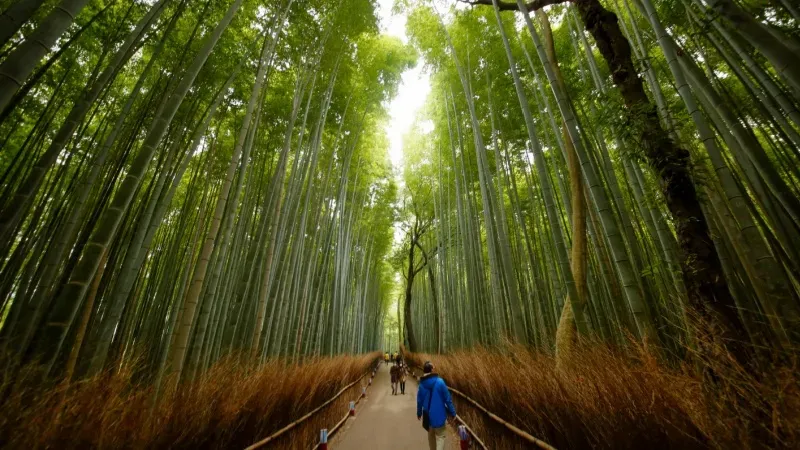
Walking through the towering stalks of the Arashiyama Bamboo Grove is one of the most enchanting things to do in Kyoto. It is known for its tall bamboo stalks that create a peaceful, green walkway. The grove is located in the Arashiyama district, near the famous Tenryu-ji Temple and the Katsura River. Walking through the bamboo path gives a calm and refreshing feeling, especially when the wind moves the stalks. The grove is open all year and can be visited for free. Early morning or late afternoon is the best time to visit to avoid large crowds. It is a favorite place for photography and nature walks.
Activities to Try: Rent a rowboat on the nearby Hozugawa River or visit the Tenryu-ji Temple, a UNESCO World Heritage site adjacent to the grove.
Opening Hours: Open 24/7
4. Discover Geishas in the Gion District
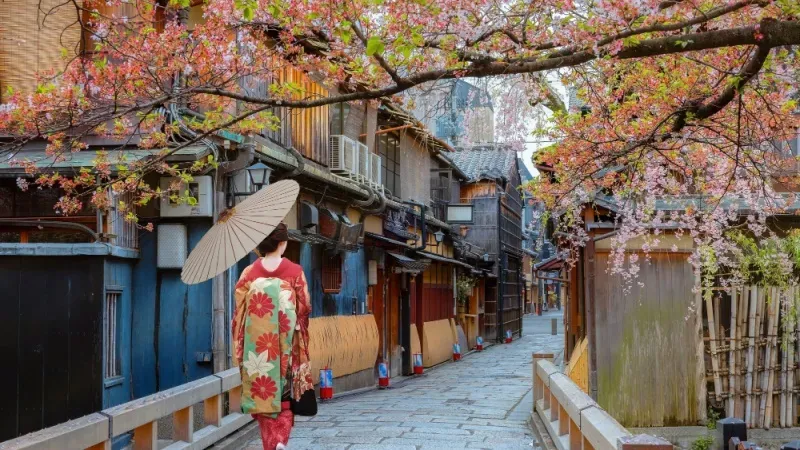
Gion is Kyoto’s most famous geisha district, known for its traditional wooden machiya houses, charming teahouses, and exclusive restaurants. A walk through its preserved streets, particularly along Hanami-koji Lane, feels like a step back in time. If you are lucky, you might spot a geiko (the Kyoto term for geisha) or a maiko (apprentice geisha) shuffling between appointments in their exquisite kimonos. The area truly comes alive in the evening when the lanterns are lit.
Activities to Try: Attend a cultural performance at Gion Corner which showcases various Japanese arts, or simply wander the atmospheric streets after dusk.
Opening Hours: 11 AM to 10 PM (All Days)
Suggested Read: Things to Do in Tanzania: Experience the Wild Beauty of Africa
5. Taste Your Way Through Nishiki Market
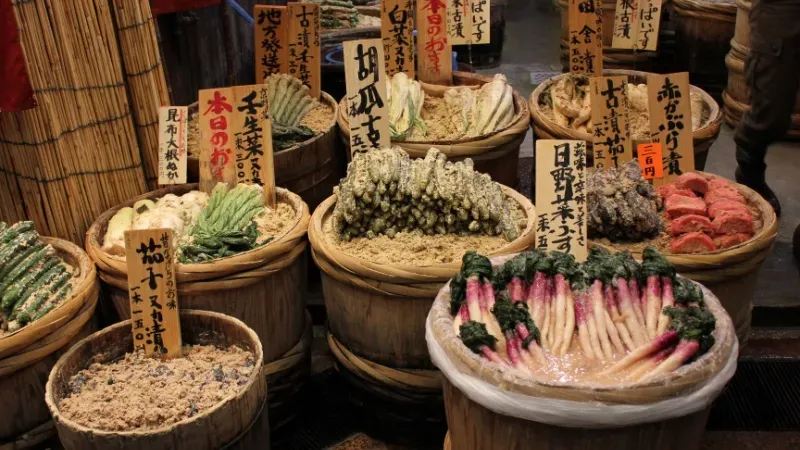
Nishiki Market is a lively shopping street in Kyoto known as the “Kitchen of Kyoto.” It is lined with over 100 shops and stalls selling fresh seafood, local produce, pickles, sweets, and street food. The market has been a center for food trade for centuries, offering both traditional and modern Japanese snacks. Visitors can sample small bites, shop for souvenirs, or watch vendors prepare dishes. It is a great place to experience Kyoto’s food culture in one location.
Activities to Try: Sample free treats, try different skewers, and enjoy a fresh seafood lunch at one of the small eateries.
Opening Hours: Most shops are open from 9:00 AM to 6:00 PM.
6. Admire the View from Kiyomizu-dera Temple
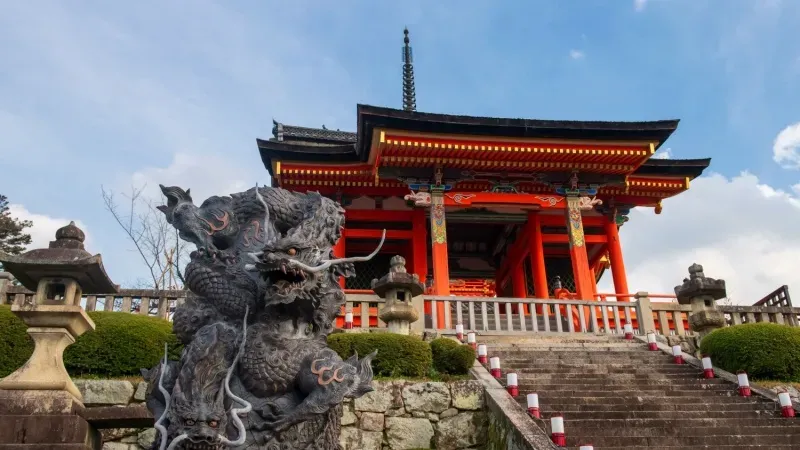
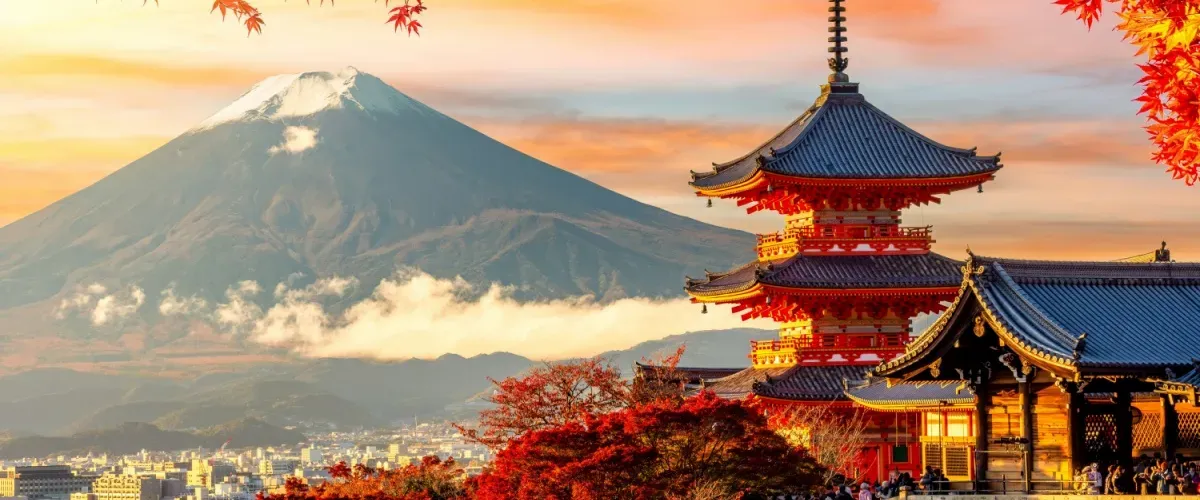
Kiyomizu-dera Temple is famous for its wooden stage that extends from the main hall, offering sweeping views of the city and surrounding hills. The temple, founded in 780, is especially beautiful during cherry blossom season in spring and the colorful foliage in autumn. From the stage, visitors can see the lush forest below and the city skyline in the distance. The temple grounds also include shrines, pagodas, and walking paths, making it a popular spot for both sightseeing and photography.
Activities to Try: Drink from the Otowa Waterfall and explore the Jishu Shrine behind the main hall, which is dedicated to the god of love.
Opening Hours: 6:00 AM to 6:00 PM
Suggested Read: Ultimate Guide to Top Things to Do in Salalah
7. Find Zen at Ryoan-ji Temple
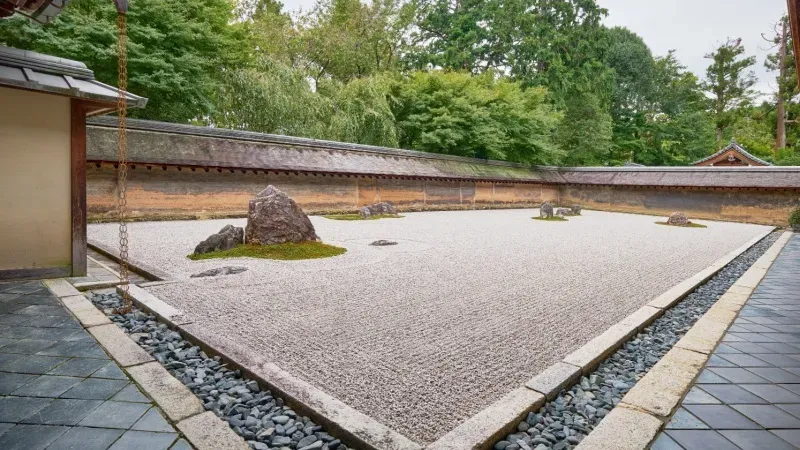
Ryoan-ji Temple is home to Japan's most famous rock garden. The garden has 15 carefully placed rocks set in white gravel, designed to be viewed from the temple veranda. No trees or flowers are in the main garden, creating a simple and calming atmosphere. The temple was built in the 15th century and is part of the Historic Monuments of Ancient Kyoto UNESCO World Heritage Site. The surrounding grounds include a large pond, walking paths, and seasonal flowers.
Activities to Try: Sit on the veranda of the Hojo (the head priest's former residence) and ponder the meaning of the rock garden. Also, take a walk around the temple's lovely park and pond.
Opening Hours: 8:00 AM to 5:00 PM (March to November), 8:30 AM to 4:30 PM (December to February).
8. Explore Nijo Castle
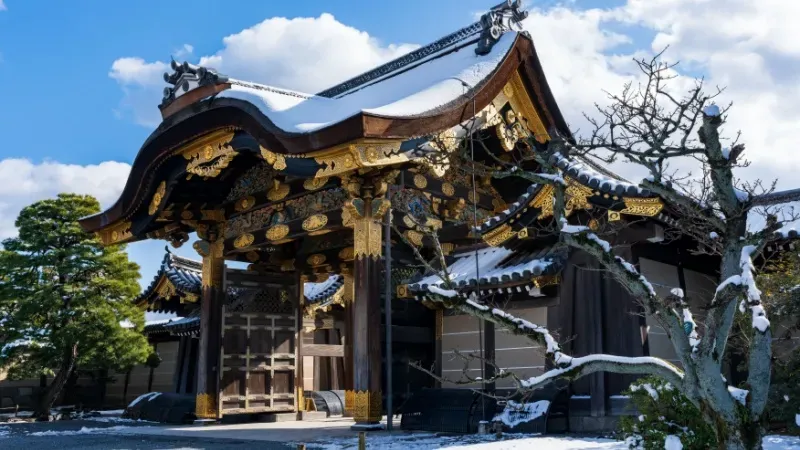
Nijo Castle in Kyoto is a historic site built in 1603 as the residence of Tokugawa Ieyasu, the first shogun of the Edo period. The castle is known for its ornate interiors, sliding doors with painted panels, and “nightingale floors” that make sounds when walked on to guard against intruders. The surrounding gardens are beautiful year-round, especially during cherry blossom season. Nijo Castle is a UNESCO World Heritage Site and offers a glimpse into Japan’s feudal history and architecture.
Activities to Try: Walk on the nightingale floors, admire the painted screens inside the Ninomaru Palace, and stroll through the castle's three distinct gardens.
Opening Hours: 8:45 AM to 5:00 PM (All Days)
Suggested Read: Top 31 Things to Do in Qatar for an Unforgettable Trip
9. Walk the Philosopher's Path
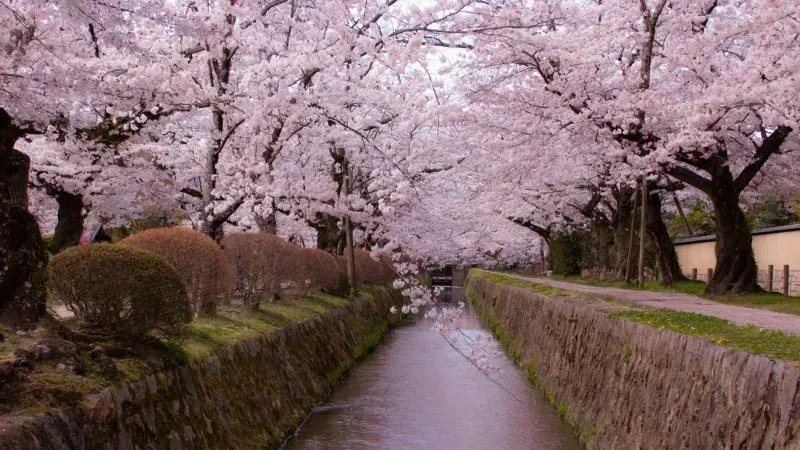
The Philosopher’s Path is a scenic stone walkway that follows a canal lined with cherry trees. It stretches for about two kilometers between Ginkaku-ji (Silver Pavilion) and Nanzen-ji Temple. The path is named after a Kyoto University professor who was said to walk here daily while meditating. In spring, the cherry blossoms create a beautiful pink tunnel, while other seasons offer different colors and scenery. Small cafes, shops, and temples can be found along the way, making it a peaceful spot for a stroll.
Activities to Try: Stop at the small temples and shrines along the path, browse the quaint cafes and shops, and simply enjoy the tranquil atmosphere.
Opening Hours: Open 24/7
10. Experience a Traditional Tea Ceremony
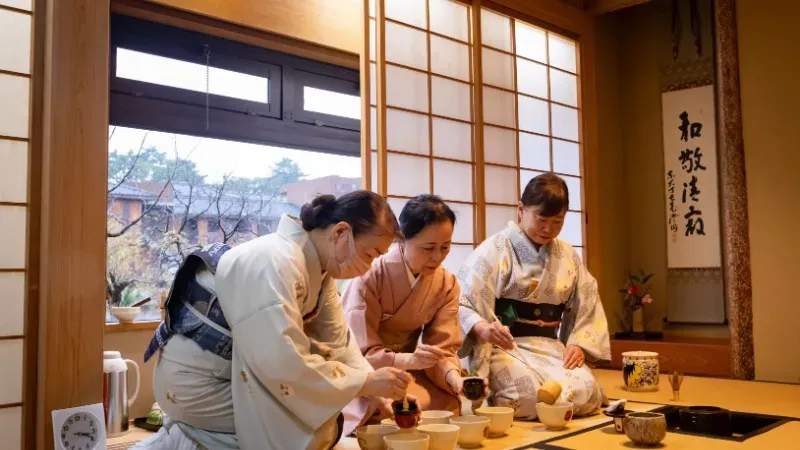
Kyoto is the birthplace of the Japanese tea ceremony, or "sado." Participating in this ritual is a wonderful way to experience a core tenet of Japanese culture. The ceremony is a highly choreographed art form that involves the preparation and presentation of matcha. A tea master will guide you through the intricate steps and explain the philosophy of harmony, respect, purity, and tranquility that underpins the practice. It's a calming and insightful cultural immersion. This is one of the most authentic things to do in Kyoto.
Activities to Try: Many teahouses in Gion and around major temples offer tea ceremony experiences for tourists.
Opening Hours: Varies by teahouse; reservations are often required.
Suggested Read: Things to Do in Cairo for an Exciting Experience
11. Visit Ginkaku-ji (Silver Pavilion)
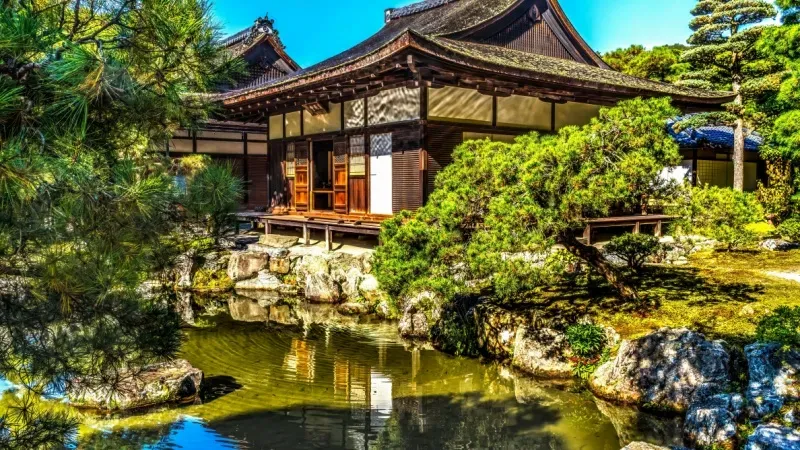
Unlike its golden counterpart, the Silver Pavilion was never actually covered in silver. Built in 1482 by shogun Ashikaga Yoshimasa. It is famous for its elegant simplicity, beautiful moss gardens, and the sand garden known as the “Sea of Silver Sand.” The temple was intended as a place for quiet reflection and the practice of art and culture. Visitors can walk along scenic paths that offer views of the pavilion and its peaceful surroundings.
Activities to Try: Admire the meticulously raked sand garden and follow the circular path around the grounds for lovely views of the pavilion and gardens.
Opening Hours: 8:30 AM to 5:00 PM (March to November), 9:00 AM to 4:30 PM (December to February).
12. Dine in Pontochō Alley
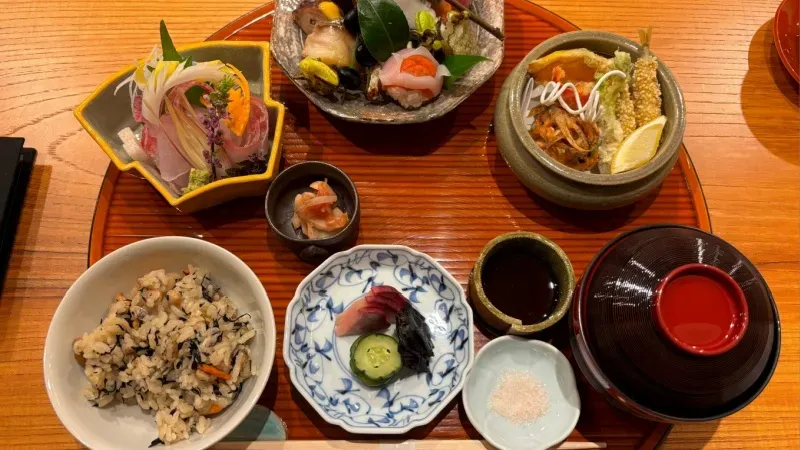
Pontochō is a narrow, atmospheric alley running parallel to the Kamogawa River. The alley is lined with wooden buildings that house restaurants, teahouses, and bars, many offering views of the river. In the evenings, lanterns light up the street, creating a charming and romantic setting. Pontocho is also known for its connection to geisha culture, and visitors might occasionally see geishas or maikos heading to their engagements. It’s a popular spot for enjoying Kyoto’s nightlife and seasonal outdoor dining in summer.
Activities to Try: Enjoy a kawayuka dinner for a memorable experience or simply stroll down the alley to soak in the vibrant atmosphere.
Opening Hours: 5:00 PM to 11:00 PM (All Days)
Suggested Read: Things to Do in Bangkok for a Placid Vacay
13. Cross the Togetsukyo Bridge
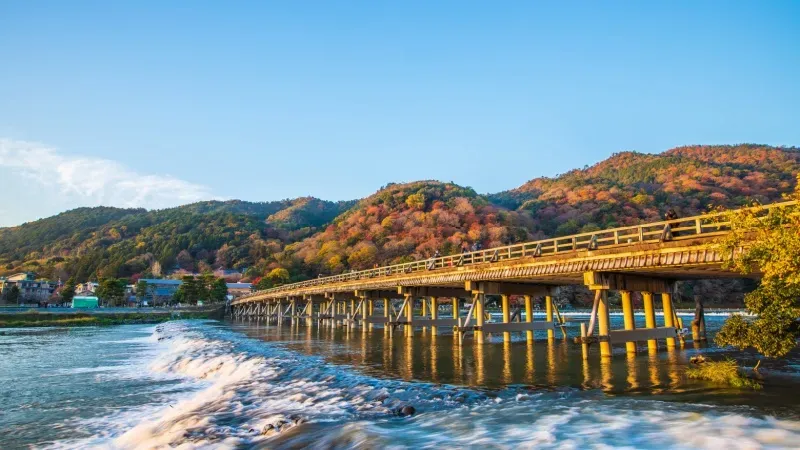
The "Moon Crossing Bridge" is the most famous landmark in Arashiyama. This 155-meter wooden bridge spans the Katsura River against the stunning backdrop of Mount Arashiyama. The scenery here is spectacular in every season, with cherry blossoms in spring, lush greenery in summer, vibrant foliage in autumn, and a blanket of snow in winter. The area around the bridge is bustling with shops and restaurants.
Activities to Try: Take a scenic boat cruise or a traditional cormorant fishing tour (in summer) on the river.
Opening Hours: The bridge is open 24/7.
14. See the Thousand Armed Kannon at Sanjusangen-do
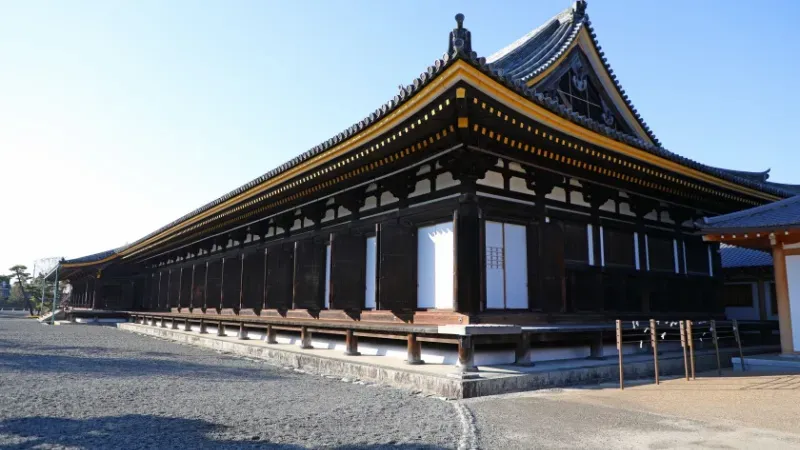
Sanjusangen-do Temple is home to one of Kyoto’s most awe-inspiring sights: 1001 life-sized, gold-leafed statues of Kannon, the goddess of mercy. In the center of the main hall stands a huge, seated Kannon, flanked on either side by 500 smaller statues arranged in neat rows. Each statue is intricately carved and has a unique facial expression. The sheer scale and artistry of this collection are simply mind-boggling and create a powerful, serene atmosphere.
Activities to Try: Walk the length of the long hall and try to find the statue that looks most like someone you know among the smaller figures.
Opening Hours: 8:00 AM to 5:00 PM (April to mid-November), 9:00 AM to 4:00 PM (mid-November to March).
Suggested Read: Things To Do In Turkey For An Unforgettable Getaway
Travel Tips for Visiting Kyoto, Japan
- Best Time to Go: Spring (March–May) for cherry blossoms and autumn (October–November) for fall colors offer the best scenery and pleasant weather.
- Currency: Japanese Yen (JPY) is the official currency. Credit cards are common, but carry cash for smaller shops, temples, and markets.
- Getting Around: Use Kyoto’s efficient public transport system. An ICOCA card works on buses, subways, and local trains. A JR Pass is useful for travel to other cities.
- Language: Japanese is the main language. English is understood in tourist areas, but simple phrases like “Arigato” (Thank you) and “Sumimasen” (Excuse me) are appreciated.
- Visa Policy: Many nationalities, including USA, UK, Australia, and most of Europe, can visit visa-free for up to 90 days. Check current rules before travel.
- Stay Connected: Rent a pocket Wi-Fi or buy a tourist SIM at the airport for internet access.
- Power Plugs: Japan uses Type A and B plugs, with a standard voltage of 100V.
- Respectful Etiquette: Bow when greeting, remove shoes before entering homes or certain establishments, and stay quiet on public transport.
- Temple and Shrine Manners: Remove shoes if required, use purification water at shrines, and avoid eating or drinking while walking.
- Pack Comfortable Shoes: Expect a lot of walking in Kyoto’s temples and streets, so wear comfortable footwear.
Final Thoughts
Kyoto is a city that blends history, culture, and natural beauty in one place. From ancient temples and traditional tea houses to seasonal gardens and lively markets, it offers something for every traveler. You can enjoy peaceful walks, taste local dishes, and learn about Japan’s traditions. The charm of Kyoto is not only in its famous sights but also in its quiet streets and hidden corners. Whether you are traveling alone, with a partner, or with family, the city offers experiences that stay with you long after your trip. Book your Japan tour package with Myholidays and discover the best this city has to offer.
Things to Do in Kyoto : FAQ’s
To comfortably see the main sights, spend at least 4 to 5 days in Kyoto. This gives enough time to explore major districts and temples without feeling rushed, and even allows for a day trip.
Kyoto can be expensive, but it caters to all budgets. Transportation and accommodation are the main costs, but there are many free attractions like Fushimi Inari and Arashiyama Bamboo Grove. Save money by eating at smaller local restaurants and using public transport.
Yes. Japan is known for its safety, and Kyoto is no exception. Solo female travelers can feel safe exploring, even at night. Standard precautions are still recommended, but crime rates are very low.
The city’s public transport system of buses and subways is excellent. The bus network covers most sightseeing spots. Renting a bicycle is also a great way to explore areas like Arashiyama or the city center.
There’s no strict dress code, but modest clothing is respectful. Avoid revealing clothes and wear shoes that are easy to slip on and off, as you may need to remove them often.
Kyoto is known for "Kyo-ryori" (Kyoto-style cuisine), which focuses on delicate flavors and presentation. Popular dishes include yudofu (simmered tofu), shojin-ryori (Buddhist vegetarian cuisine), and matcha-flavored sweets.
Yes. Eating while walking is generally discouraged. Tipping is not customary in Japan. Be aware of photography restrictions, especially inside temples or when photographing geishas in Gion.
Kyoto has four seasons. Summers (June–August) are hot and humid, winters (December–February) are cold with occasional snow, and spring (March–May) and autumn (October–November) are mild and ideal for visiting.