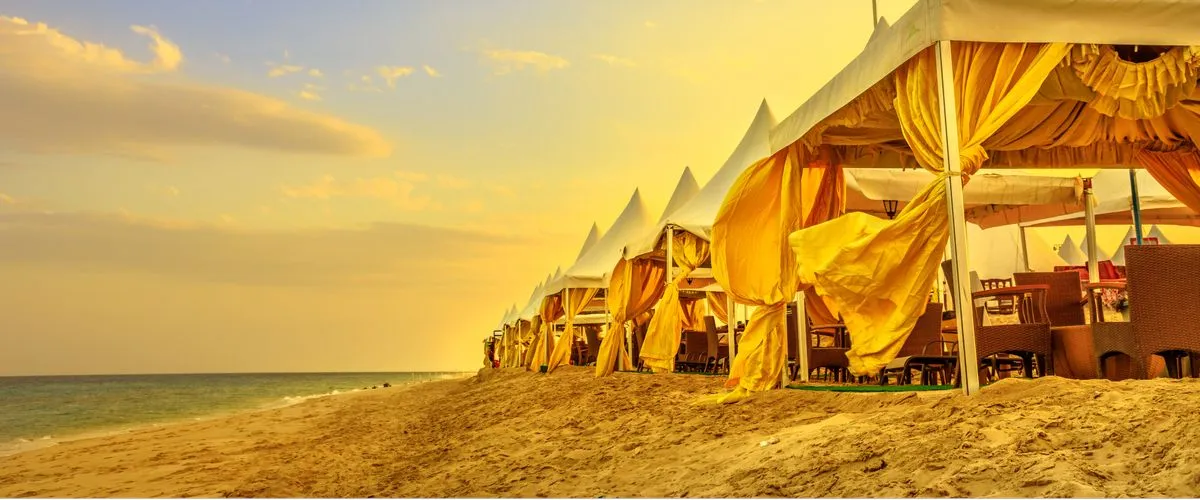
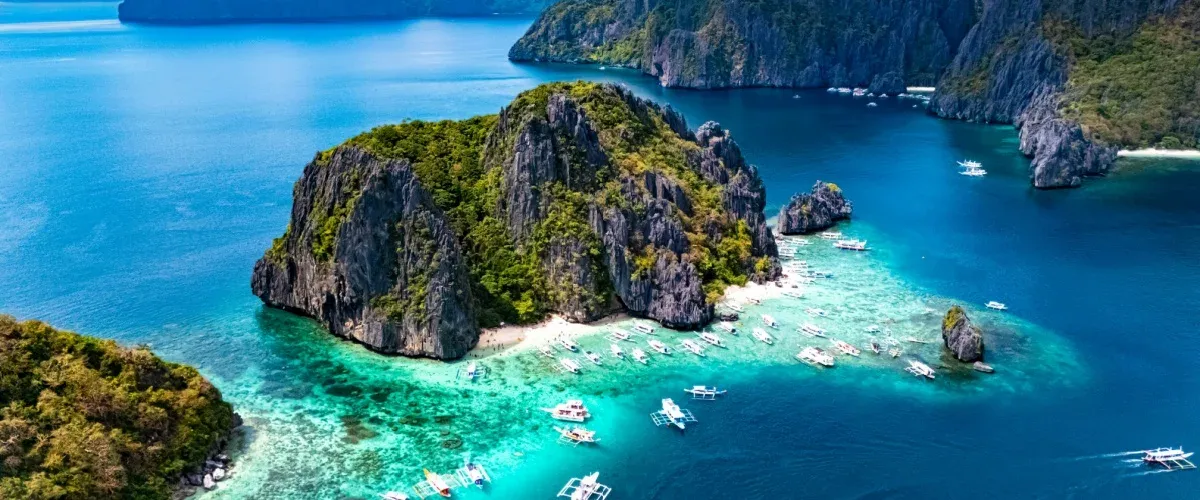
The Philippines is a tropical paradise with over 7,600 islands, offering some of the most beautiful beaches in the world. Its coastlines feature powdery white sand, crystal-clear waters, and vibrant marine life. Popular spots like Boracay’s White Beach are perfect for sunset views and lively nightlife, while Palawan and El Nido offer secluded lagoons and dramatic limestone cliffs for adventure and relaxation. Siargao is famous for surfing, while Cebu and Bohol provide family-friendly shores with calm waters. Whether you want to swim, snorkel, kayak, or simply relax, the beaches in the Philippines cater to every type of traveler. Clean, safe, and easily accessible, these beaches are ideal for a memorable tropical escape in 2025. So what are we waiting for? Let’s delve into this informative blog to know more about the beaches of the Philippines.
Must Explore These Top 10 Beaches in Philippines
1. White Beach, Boracay
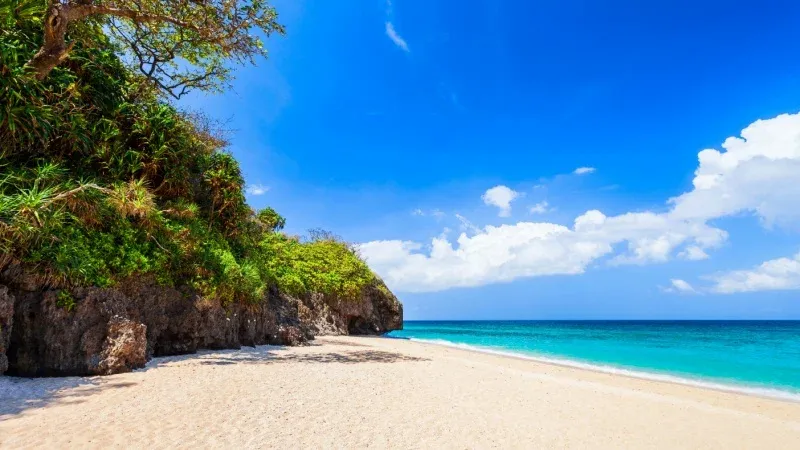
Located in Aklan, White Beach is the Philippines’ most iconic coastal gem. Its four-kilometer stretch of powdery white sand and turquoise water is legendary. The beach is divided into three stations: Station 1 is home to luxury resorts and tranquility; Station 2 is the vibrant heart with restaurants and bars; and Station 3 offers a more relaxed, budget-friendly vibe. The water is incredibly clear and calm, perfect for swimming and paddleboarding. As the sun sets, the beach comes alive with fire dancers and live music, creating an electric yet romantic atmosphere.
Best Time to Visit: November to April
Pro Tips: Book accommodation in advance, especially during peak season. Enjoy a "paraw" sailboat ride at sunset for breathtaking views. Respect local environmental rules to help preserve the island's beauty.
2. Nacpan Beach, El Nido
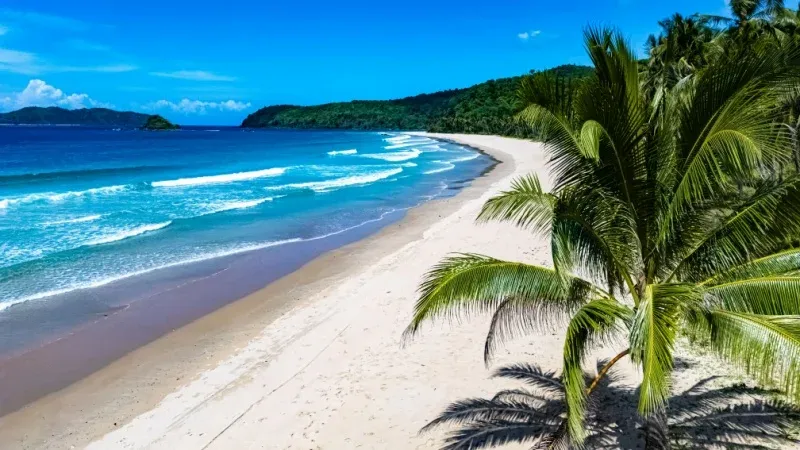
Just a 45-minute tricycle ride from El Nido town, Nacpan Beach will leave you speechless. It's famous for its four-kilometer stretch of golden sand and the "twin beach" viewpoint where it curves to meet the smaller Calitang Beach. The water is crystal clear and ideal for swimming, though waves can get strong further out. The vibe is laid-back and less crowded than El Nido’s main tour spots, making it perfect for a full day of relaxation. Small, locally-owned restaurants line the beach, offering fresh seafood and cold drinks.
Best Time to Visit: December to March.
Pro Tips: Rent a scooter or hire a tricycle for the day for flexibility. Climb the small hill at the southern end for the iconic twin beach photo.
Suggested Read: Famous Places to Visit in Philippines
3. Seven Commandos Beach, El Nido
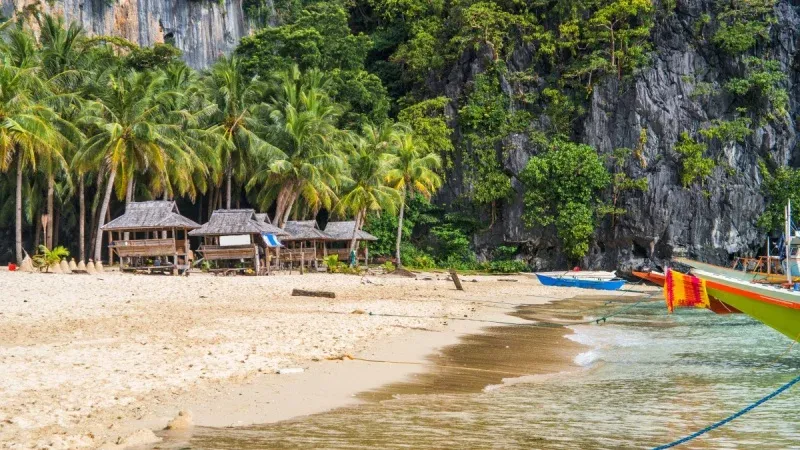
Seven Commandos Beach is one of El Nido’s most famous and accessible beaches, known for its soft white sand and clear turquoise waters. The beach is surrounded by lush tropical vegetation and limestone cliffs, giving it a picture-perfect tropical vibe. You can enjoy swimming, sunbathing, or snorkeling in its calm, shallow waters. It is also ideal for a relaxing day picnic, with small huts and shaded areas available for use. The beach is reached by a short boat ride from El Nido town, making it easy for day trips. Its serene atmosphere and natural beauty make it a favorite for both solo travelers and families looking for a peaceful escape.
Best Time to Visit: December to March
Pro Tips: This beach is only accessible by boat, so you must book an island-hopping tour (Tour A). Bring a waterproof bag to protect your electronics.
4. Long Beach, San Vicente
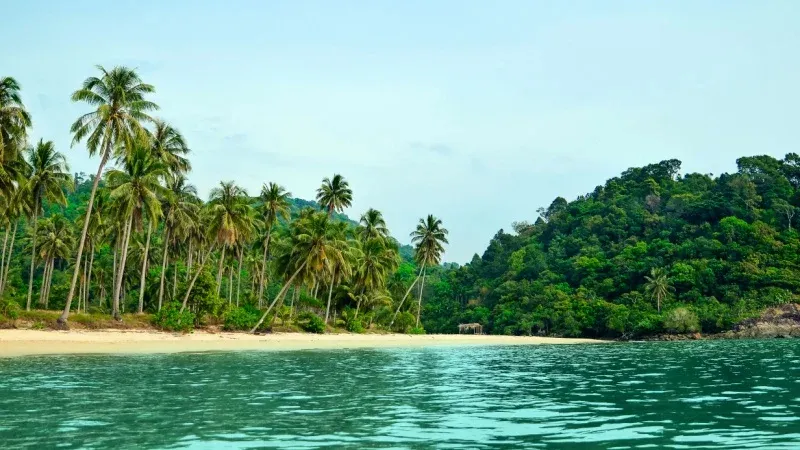
Stretching an incredible 14.7 kilometers, Long Beach in San Vicente, Palawan, is the longest white-sand beach in the Philippines. Its sheer size means you can always find a completely secluded spot for yourself. The sand is golden-brown, and the water is gentle, making it ideal for long walks, sunbathing, and swimming. The vibe here is pure tranquility and raw, undeveloped nature. It’s the perfect antidote to the crowds, offering a serene escape for couples and solo travelers seeking peace.
Best Time to Visit: November to May
Pro Tips: Long Beach is divided into different barangays (villages). Rent a motorbike (habal-habal) to explore its different sections. There are limited facilities, so pack your own water and snacks.
Suggested Read: Best Theme Parks in Philippines for Unlimited Family Fun and Adventure
5. Cloud 9, Siargao
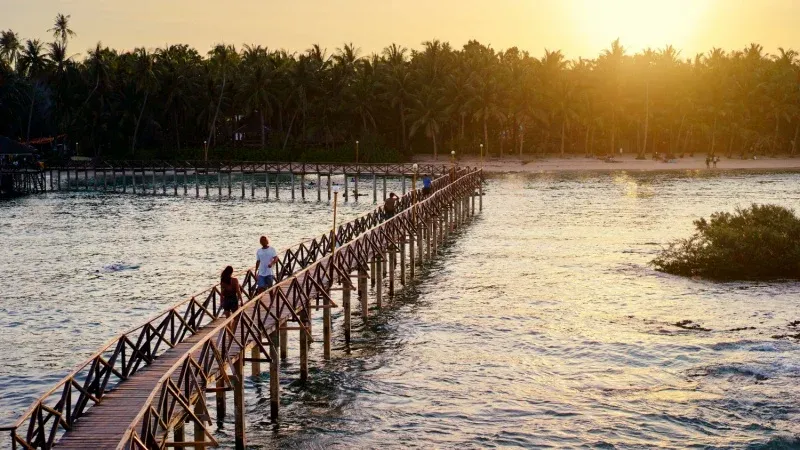
Cloud 9 in Siargao is a world-famous surf destination, renowned for its powerful, perfectly shaped waves. It attracts surfers from around the globe, offering an adrenaline-packed experience for both professionals and beginners. The area is surrounded by stunning coconut palms and boardwalks that provide great vantage points for watching the waves and enjoying sunsets. Even if you’re not surfing, Cloud 9 is a lively spot to relax, take photos, or sip a drink while soaking in the ocean views. Local surf schools offer lessons, making it accessible for newcomers eager to ride the waves. The beach is part of Siargao’s natural beauty, combining white sand, clear waters, and a laid-back island atmosphere.
Best Time to Visit: September to November for the biggest surf swells; March to May for calmer conditions.
Pro Tips: Even if you don't surf, visiting the boardwalk for sunset is a must. Beginners can take surf lessons at nearby Jacking Horse spot.
6. Kalanggaman Island, Leyte
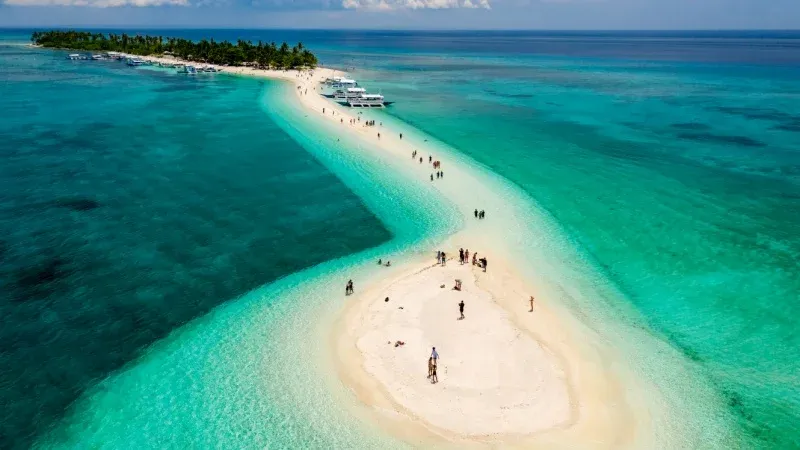
Kalanggaman Island in Leyte is famous for its long, powdery sandbars that stretch into the clear turquoise waters of the Philippines. The island offers a serene and unspoiled environment, making it perfect for swimming, snorkeling, and sunbathing. Its calm waters and gentle waves are ideal for families and casual beachgoers, while the sandbars create picture-perfect spots for photography and romantic strolls. You can enjoy camping or day trips, with basic facilities like picnic areas and cottages available on the island. The surrounding waters are rich with marine life, making snorkeling an unforgettable experience. Kalanggaman Island remains a peaceful escape from crowded tourist spots, providing a true taste of the Philippines’ natural beauty.
Best Time to Visit: February to May
Pro Tips: The island can be reached via a boat trip from Palompon, Leyte, or Malapascua, Cebu. Book your trip through the Palompon Eco-Tourism Office. Bring all your supplies, including food and water.
Suggested Read: Best Things to Do in Philippines: Give a Treat to the Explorer Inside You
7. Alona Beach, Panglao, Bohol
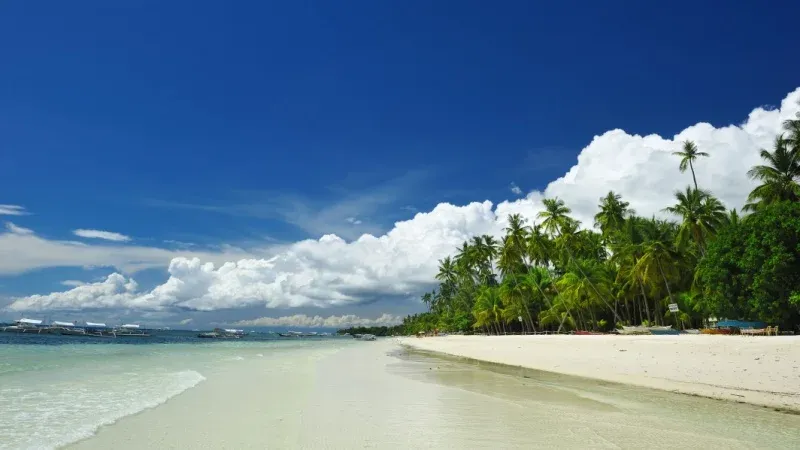
Situated on Panglao Island, Alona Beach is the bustling heart of Bohol’s beach scene. The 1.5-kilometer stretch of white sand is lined with dive shops, restaurants, and hotels. The beach is ideal for swimming, snorkeling, and diving, with nearby coral reefs that are home to colorful marine life. Alona Beach has a vibrant atmosphere, with beachfront restaurants, bars, and shops making it easy to spend the whole day by the sea. It is especially popular among families and young travelers looking for both relaxation and activity. You can also arrange island-hopping tours from here to explore nearby islets and dive spots. Evenings at Alona Beach are picturesque, with stunning sunsets and a lively dining scene that adds to the charm of the area.
Best Time to Visit: December to April.
Pro Tips: Alona Beach is the best base for exploring Bohol’s attractions like the Chocolate Hills and Tarsier Sanctuary. For a tranquil experience, walk to the ends of the beach.
8. Mahabang Buhangin Beach, Calaguas
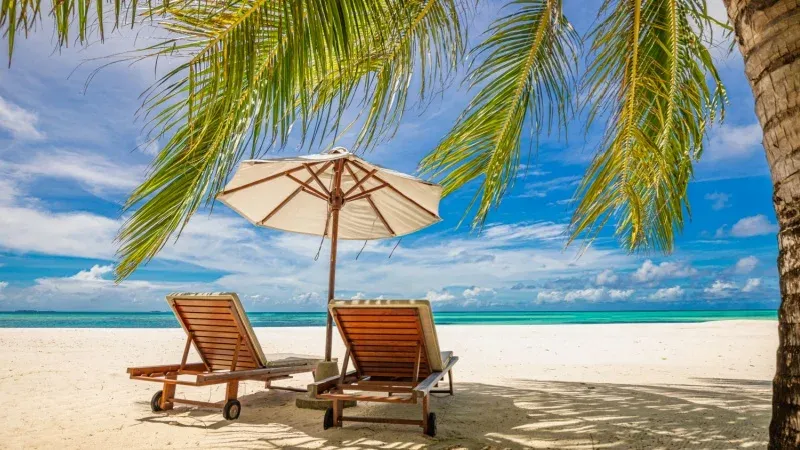
Mahabang Buhangin Beach, located in the Calaguas Islands, is famous for its long stretch of soft white sand and clear turquoise waters. This quiet beach is perfect for visitors looking to escape the busy city life and enjoy a calm day by the sea. Swimming and sunbathing are popular here, and the untouched surroundings make it a great spot for photography and nature walks. The beach is mostly undeveloped, so you should come prepared with essentials. Reaching Mahabang Buhangin usually involves a boat ride, which adds a sense of adventure to the trip. Local vendors sometimes offer food and basic supplies, but bringing your own provisions ensures a comfortable stay.
Best Time to Visit: February to May.
Pro Tips: Travel light but bring everything you need, including a tent, food, and a power bank. Several tour operators offer all-inclusive camping packages from Manila.
Suggested Read: Where To Stay In Philippines: The Best Hotels & Cities
9. Saud Beach, Pagudpud

Located in the northern town of Pagudpud, it is known for its fine white sand and calm, clear waters. It is a favorite destination for families and travelers who want a relaxing day by the sea. The beach stretches for several kilometers, providing plenty of space for sunbathing, swimming, or a peaceful walk along the shore. Small cottages and local resorts line the beachfront, offering accommodations and basic facilities. Saud Beach is also ideal for photography, especially during sunrise when the sky reflects beautifully on the water. You can enjoy fresh seafood from nearby eateries and experience the laid-back atmosphere of this northern Philippine gem.
Best Time to Visit: March to May
Pro Tips: Combine your beach trip with a tour of Ilocos Norte’s other famous sights, like the Bangui Windmills and Kapurpurawan Rock Formation. Accommodation options range from budget homestays to beachfront resorts.
10. Pink Beach, Great Santa Cruz Island, Zamboanga
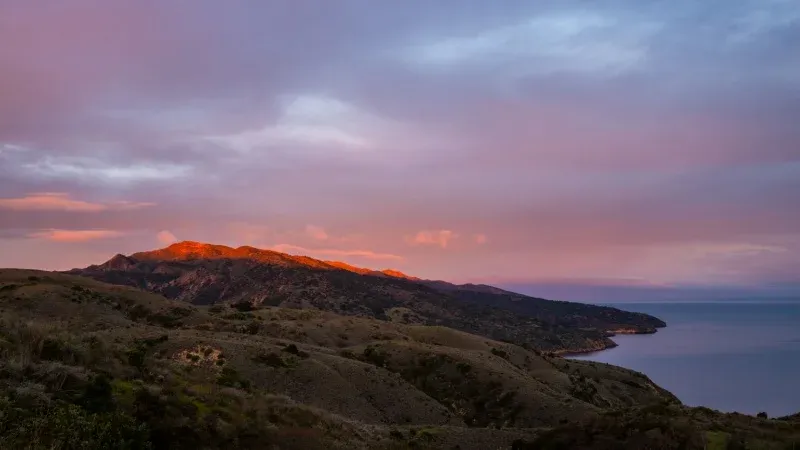
Pink Beach on Great Santa Cruz Island is famous for its unique pink-hued sand, created by crushed red coral mixed with white sand. Located just a short boat ride from Zamboanga City, the beach offers calm, clear waters perfect for swimming and wading. Its serene atmosphere makes it ideal for families, couples, and solo travelers seeking a peaceful escape. You can explore the shallow waters, take stunning photographs, or simply relax under the shade of coconut trees. The surrounding area has basic amenities, but it’s recommended to bring snacks and water for a full-day visit. The beach’s natural beauty and vibrant sand color make it a must-see destination in the southern Philippines.
Best Time to Visit: December to May.
Pro Tips: All visits must be pre-arranged through the City Tourism Office of Zamboanga. Trips are limited to day use only to protect the ecosystem. No walk-ins allowed.
Suggested Read: Top Hotels In Philippines To Experience The Best Comfort
How to Make the Most of Your Beach Day in the Philippines
- Sun Safety First: The tropical sun is intense. Always wear high-SPF, reef-safe sunscreen, a wide-brimmed hat, and sunglasses. Stay hydrated by drinking plenty of water.
- Pack Smart: Bring a waterproof dry bag for your gadgets and valuables, a reusable water bottle to reduce plastic waste, and a microfiber towel that dries quickly.
- Embrace Eco-Friendly Practices: Follow "Leave No Trace" principles. Do not touch marine life, avoid stepping on corals, and take all your trash with you. Many top beaches in the Philippines are protected areas.
- Plan Your Transport: In many beach towns, tricycles and motorbike taxis (habal-habal) are the main modes of transport. Always agree on a fare before starting your journey.
- Try Local Delicacies: Don’t miss the chance to eat at a carinderia (local eatery) or a beachside grill. Freshly grilled seafood, tropical fruits, and a cold San Miguel beer are part of the authentic experience.
- Stay Connected (or Not): While major tourist areas have decent Wi-Fi, many remote beaches have little to no signal. Consider getting a local SIM card (Globe or Smart) or embrace the digital detox.
- Carry Cash: Many smaller islands and local vendors do not accept credit cards. Always have enough Philippine Pesos (PHP) in small denominations for food, transport, and entrance fees.
Final Thoughts
The Philippines is more than just a destination; it’s an experience that awakens the senses and soothes the soul. It’s a paradise where every island holds a new promise of adventure, relaxation, or connection. For families, the gentle shores of Boracay create lasting memories. For honeymooners, the secluded coves of Palawan offer unparalleled romance. For solo travelers and backpackers, the vibrant communities of Siargao and Bohol foster new friendships. And for wellness seekers, the quiet, untouched sands of San Vicente provide the ultimate sanctuary. Your dream beach escape is waiting. Ready for your slice of paradise? Let Myholidays craft your unforgettable Philippines tour packages beach escape and handle all the details.
Beaches in Philippines - FAQ’s
While beauty is subjective, White Beach in Boracay is consistently ranked as the number one beach in the Philippines and often the world. Its stunning powdery white sand and crystal-clear waters make it a must-visit for first-time travelers.
The best time to visit most Philippine beaches is during the dry season, which runs from November to April. This period offers plenty of sunshine, calm seas, and low humidity, making it ideal for swimming, island hopping, and other water activities.
Yes, the major beach destinations like Boracay, Palawan, and Bohol are very safe for tourists. It is always wise to take standard safety precautions: be aware of your surroundings, secure your belongings, and listen to local advice, especially regarding weather and sea conditions.
Beaches like White Beach (Station 3) in Boracay, Alona Beach in Bohol, and Saud Beach in Pagudpud are excellent for families. They offer calm, shallow waters for children to swim in, have plenty of amenities, and provide a range of family-friendly resorts.
A trip to the beaches in the Philippines can cater to any budget. Backpackers can spend as little as $30-$40 per day, while mid-range travelers might spend $70-$100. Luxury travelers can enjoy high-end resorts with costs exceeding $200 per day.
For incredible marine life, the best coastal spots are in Palawan (El Nido and Coron), Bohol (Alona Beach for access to Balicasag Island), and Apo Island near Dumaguete. These locations boast vibrant coral reefs, sea turtles, and diverse fish species.
Absolutely. For tranquility, head to Long Beach in San Vicente, Mahabang Buhangin in Calaguas, or the smaller islands around Siargao. These lesser-known gems offer a peaceful escape from the crowds.
Most public beaches are free to access. However, many of the top beaches in the Philippines, especially those in protected areas like El Nido or on private islands like Kalanggaman, require an environmental fee or a tour booking for access and maintenance.