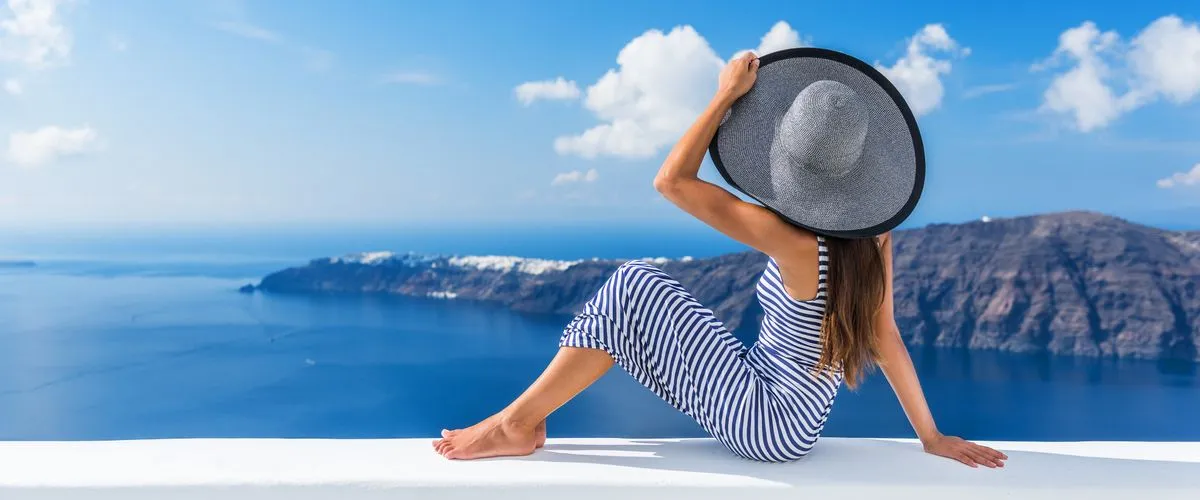
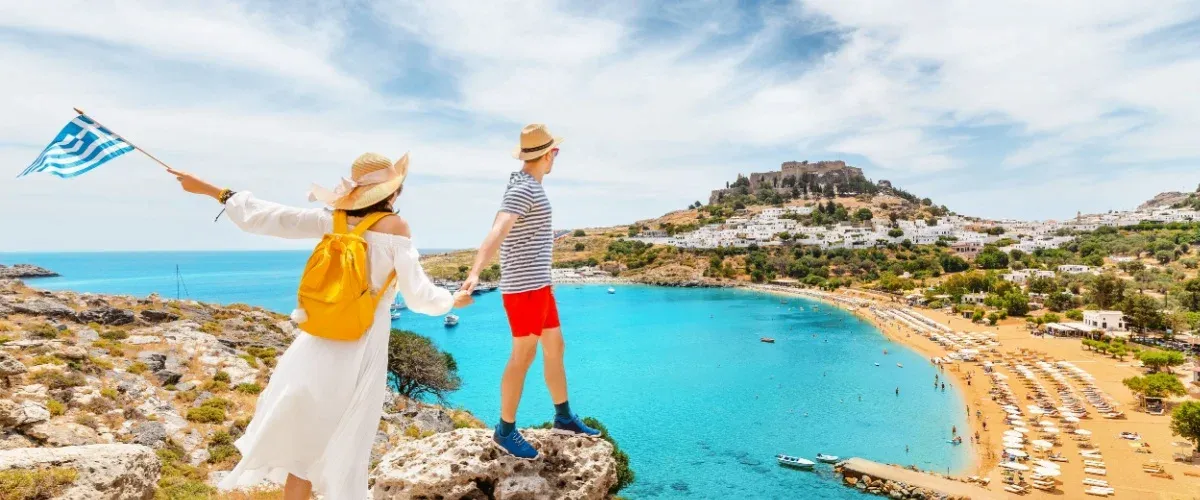
Greece is a dream destination for beach lovers, offering more than 6,000 islands and one of the longest coastlines in Europe. Its beaches are known for their beauty, variety, and clear blue waters. Mykonos in Greece is famous for its vibrant beaches like Paradise and Super Paradise, perfect for parties and water sports. For a tranquil escape, smaller islands such as Milos and Koufonisia offer quiet, less crowded shores. Crete’s Elafonissi Beach is unique for its pink-tinged sand and shallow lagoons, making it great for families and swimmers. In Zakynthos, Navagio Beach, also called Shipwreck Beach, is one of the most photographed in the world, with dramatic cliffs and crystal-clear waters. The islands of Rhodes, Corfu, and Naxos also feature stunning sandy stretches with plenty of activities.
The Ultimate Guide to the Top 10 Best Beaches in Greece
Here is our curated list of 10 must-visit beaches in Greece, chosen for their stunning beauty, clean waters, safety, and accessibility. Each offers a unique window into the country’s diverse coastal charm.
1. Navagio Beach (Shipwreck Cove), Zakynthos
%2C%20Zakynthos.webp)
Instantly recognizable, Navagio Beach is arguably the most famous beach in Greece. Cradled by towering limestone cliffs, this secluded cove is home to the rustic MV Panagiotis shipwreck, which ran aground in 1980. The contrast of the rusting ship against the impossibly bright turquoise water and white sand is a sight to behold. Accessible only by boat, the journey to Navagio is an adventure in itself, often including stops at the nearby Blue Caves. It’s a pure, unspoiled destination perfect for swimming, photography, and soaking in a truly iconic landscape.
Best Time to Visit: May to early June or late September to avoid peak crowds.
Pro Tips: Book your boat tour in advance, especially in summer. Visit in the early morning for the best photos.
2. Elafonissi Beach, Crete
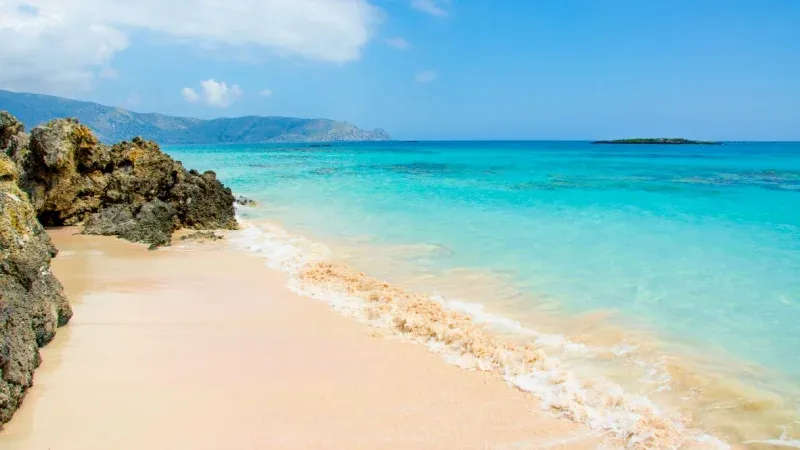
Elafonissi Beach is a natural wonder on the southwestern coast of Crete. Famous for its soft pink sand, a result of crushed coral, and its warm, shallow turquoise lagoon, it’s a dream destination for families and couples. The beach is part of a protected nature reserve, connected by a sandbar to a small island you can easily walk to. The shallow, calm water is perfect for wading and safe for children, while the main beach offers sunbeds and umbrellas for a comfortable day soaking up the sun. The unique scenery and tranquil vibe make it one of the top beaches in Greece.
Best Time to Visit: May, June, or October for pleasant weather and fewer people.
Pro Tips: Arrive early to secure a good spot and parking. Bring water shoes to explore the rockier parts of the lagoon.
Suggested Read: Best Places to Visit in Greece for a Memorable Vacation
3. Myrtos Beach, Kefalonia
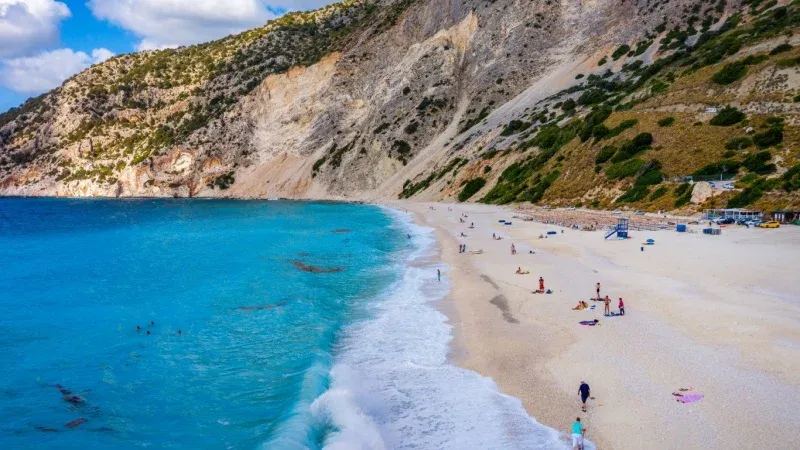
Myrtos Beach in Kefalonia is best known for its bright white pebbles and turquoise waters that look stunning under the sun. Surrounded by steep cliffs, the beach offers a dramatic and natural setting perfect for photos. You can enjoy a refreshing swim, but the waves can be strong, so caution is advised. There are limited facilities, making it a good idea to bring your own snacks, water, and umbrellas. The viewpoint above the beach is also a popular spot for capturing the breathtaking scenery. Myrtos Beach is easily accessible by car and is a must-visit for travelers exploring Kefalonia.
Best Time to Visit: Late afternoon from June to September to enjoy the sunset.
Pro Tips: The water gets deep very quickly, so be mindful with children. The road down is steep and winding; drive carefully.
4. Sarakiniko Beach, Milos
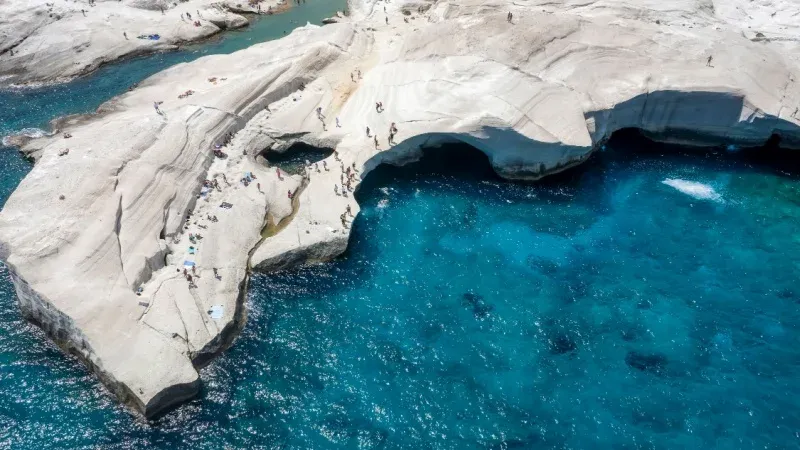
Sarakiniko Beach in Milos is famous for its striking white volcanic rocks that create a landscape that feels almost like the moon. The smooth rock formations and bright turquoise waters make it one of the most photographed beaches in Greece. Its calm, shallow waters are ideal for swimming and snorkeling, while the surrounding rocks are perfect for relaxing under the sun. The beach has no natural shade, shops, or cafes, so it’s best to bring essentials like water, snacks, and sunscreen. You can visit early in the morning or around sunset to enjoy the peaceful atmosphere and avoid the rush hours.
Best Time to Visit: Morning or late afternoon to avoid the midday heat, from May to October.
Pro Tips: Wear sturdy footwear for walking on the rocks. Do not forget to carry a hat and apply plenty of sunscreen.
Suggested Read: Top Things To Do In Greece: Fun-Filled Activities For A Memorable Holiday
5. Porto Katsiki, Lefkada
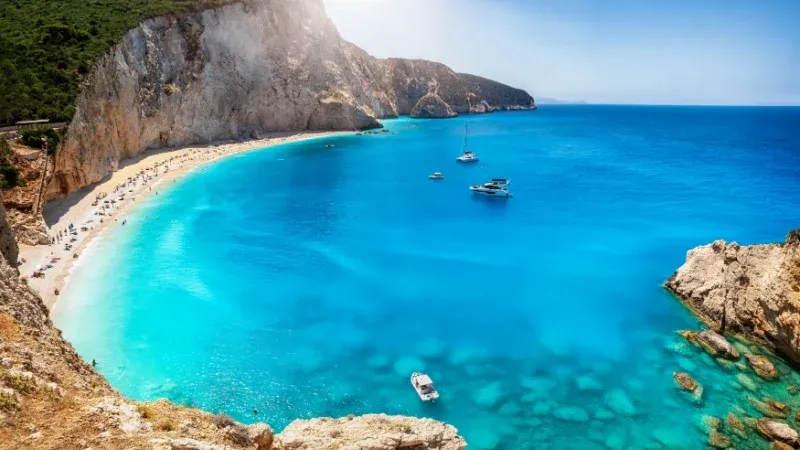
Porto Katsiki is the star of Lefkada island, renowned for its jaw-dropping beauty. Reached by descending a series of steps, it offers a peaceful escape with clear, calm seas ideal for swimming. The beach is mostly pebbled, so wearing comfortable footwear is a good idea. Its natural beauty makes it one of the most photographed beaches in Greece. There are a few snack stands near the parking area, but the beach itself is unspoiled and does not have amenities, so carrying essentials is a must. Visiting in the early hours or near sunset lets you enjoy the view with fewer crowds.
Best Time to Visit: June to September
Pro Tips: Parking is available at the top of the cliffs for a fee. You can also arrive by taxi boat from nearby Vasiliki or Nidri.
6. Balos Lagoon, Crete
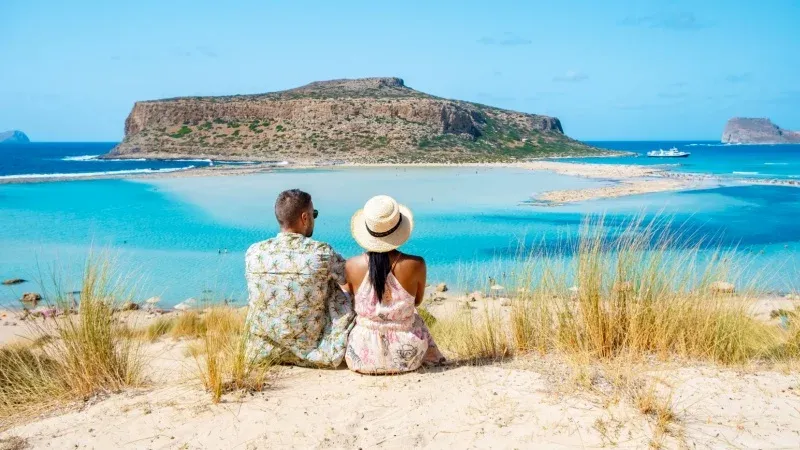
Located on the remote Gramvousa peninsula in Crete, Balos Lagoon is pure paradise. It’s famed for its wild natural beauty, white and pink sands, and shallow, vivid-blue waters. This exotic beach lagoon connects the mainland to a small island, creating a stunning sandbar that you can walk across. The water is incredibly calm and warm, making it perfect for families and couples. Most visitors arrive via ferry from Kissamos, a trip that often includes a stop at the historic Gramvousa island with its Venetian fortress.
Best Time to Visit: May to October
Pro Tips: The ferry is the easiest way to get here. If you drive, be prepared for a challenging dirt road and a subsequent hike down.
Suggested Read: Best Islands In Greece: Explore the Paradise on Earth
7. Red Beach, Santorini
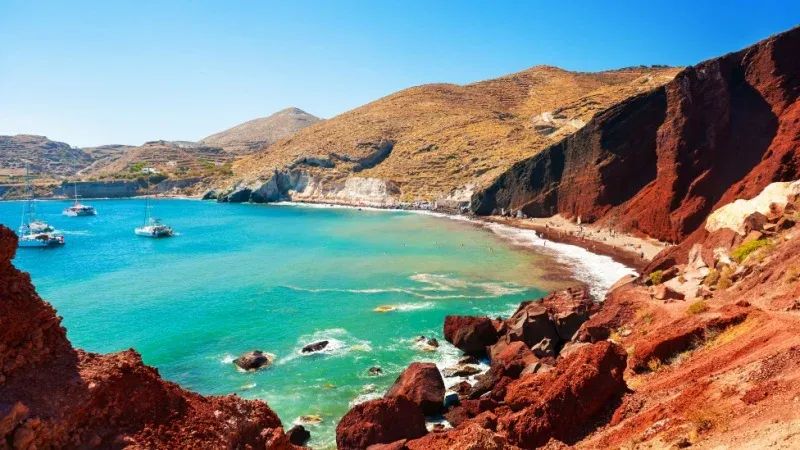
One of the most unique beaches in Greece, Red Beach in Santorini is a geological marvel. It gets its name from the towering red and black volcanic cliffs that loom over a stretch of dark, pebbly sand. The striking colors make it a must-see for any visitor to the island. Snorkeling is excellent here, thanks to the clear water and interesting rock formations beneath the surface. Access is a bit of a scramble over a rocky path, but the otherworldly scenery is well worth the effort.
Best Time to Visit: Early morning (before 10 AM) to find a spot and avoid the intense heat.
Pro Tips: The path to the beach is short but uneven, so wear proper shoes. Boat trips from Akrotiri port offer a great alternative for viewing and accessing the beach.
8. Voidokilia Beach, Messinia
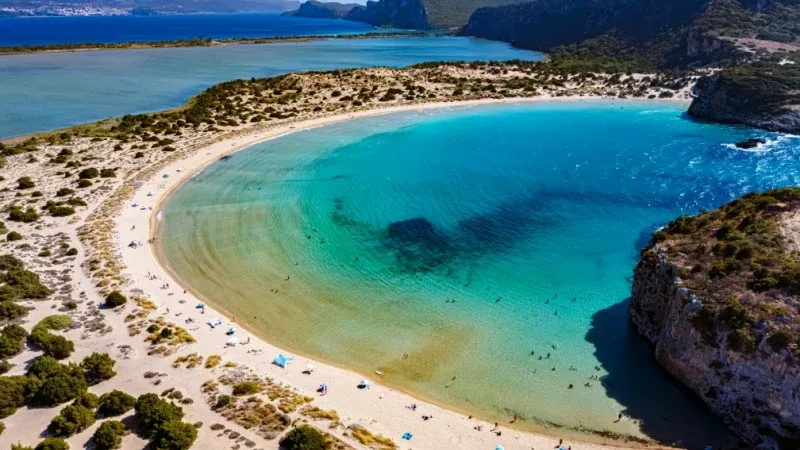
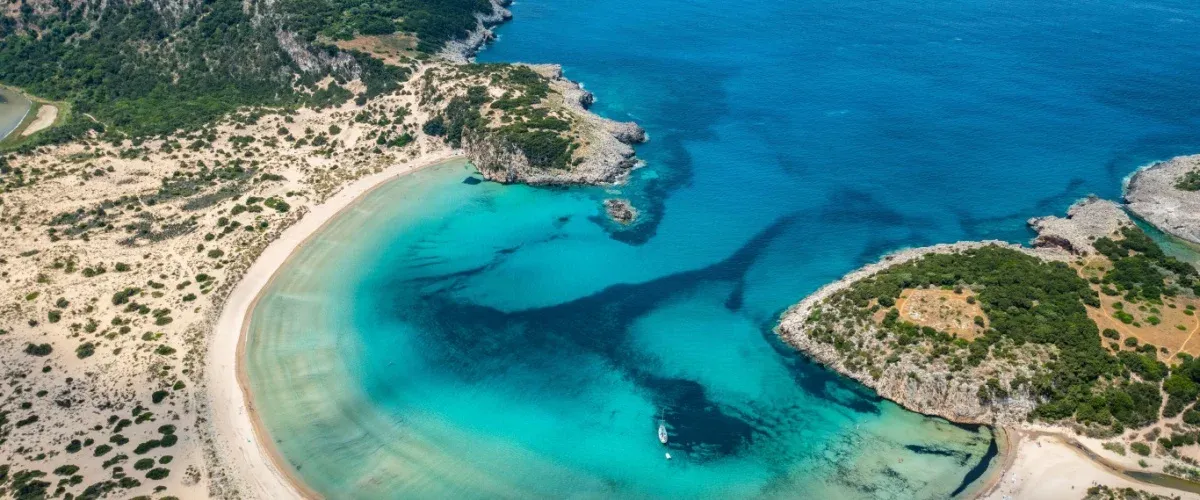
Nestled in the Peloponnese, Voidokilia is famous for its perfect omega shape. Best known for its beauty, calmness, and shallow waters. Its soft golden sand and clear blue sea make it ideal for swimming and relaxing. The area is part of a protected nature reserve, offering a peaceful setting surrounded by dunes and natural beauty. You can hike to the nearby Paleokastro ruins or Nestor’s Cave for scenic views of the beach from above. There are no facilities here, so bringing water, snacks, and shade is recommended.
Best Time to Visit: June to September
Pro Tips: Bring your own water, snacks, and an umbrella, as there are no shops or facilities nearby. Comfortable shoes are also recommended if you plan to hike to the viewpoint for stunning panoramic photos.
Suggested Read: Malls in Greece - Flooded With The Latest Fashion Trends
9. St. Paul's Bay, Rhodes
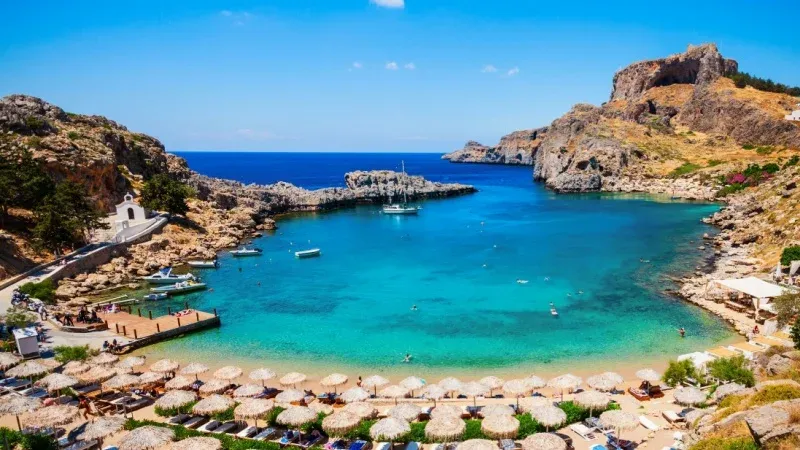
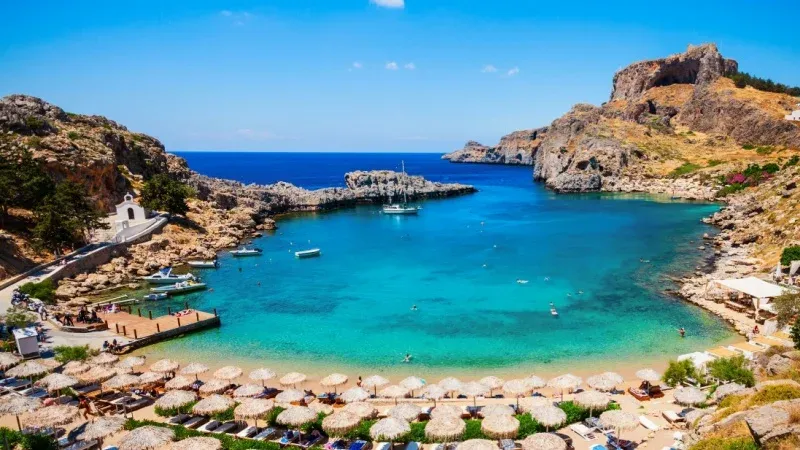
Located just south of the charming village of Lindos, St. Paul's Bay is a stunningly picturesque cove. According to legend, the apostle St. Paul landed here in 51 AD. The bay encloses a calm, emerald-green body of water that’s perfect for swimming and snorkeling. There are two small beaches here, one sandy and one with pebbles, both offering fantastic views of the Lindos Acropolis above. Its enclosed nature makes the water very warm, and the romantic setting makes it popular for beach side weddings.
Best Time to Visit: May to early June or late September to October.
Pro Tips: It gets very busy in July and August. A small chapel on the beachside is a popular wedding spot, so be mindful of ceremonies.
10. Plaka Beach, Naxos
For those seeking a more relaxed vibe, Plaka Beach on Naxos is the perfect destination. This long, four-kilometer stretch of soft, white sand offers plenty of space to spread out. The northern end has sunbeds and some of the island’s best beach bars and tavernas, creating a social yet chilled-out atmosphere. As you walk south, the beach becomes more natural and quiet, with some sections popular with nudists. The clear, shallow water is great for swimming, and the laid-back vibe captures the essence of a classic Greek island holiday.
Best Time to Visit: July and August for a livelier atmosphere, or June and September for more tranquility.
Pro Tips: The beach is well-served by a local bus from Naxos Town. It can get windy, which is great for windsurfers.
Suggested Read: A Shopper’s Paradise: Explore 10 Best Places for Shopping in Greece
How to Make the Most of Your Beach Day in Greece
- Pack Smart: Beyond swimwear, bring high-SPF sunscreen, a wide-brimmed hat, sunglasses, and a reusable water bottle.
- Invest in Water Shoes: Many top beaches in Greece are pebbly. Water shoes are a game-changer for comfort.
- Arrive Early or Stay Late: Beat the crowds and the intense midday sun by visiting in the morning (before 11 AM) or late afternoon (after 4 PM).
- Hydrate and Snack Local: Drink plenty of water. Visit a nearby taverna for a delicious Greek salad and fresh calamari for an authentic taste of the coast.
- Embrace Eco-Friendly Practices: Respect the natural environment. Carry your trash with you, use reef-safe sunscreen, and don’t take sand or shells.
- Rent a Vehicle: For accessing the more secluded coastal spots in Greece, renting a small car, scooter, or ATV gives you the ultimate freedom.
- Check the Wind: In the Cyclades, the Meltemi wind can be strong in July and August. Check the forecast to find a sheltered cove on windy days.
Final Thoughts
From dramatic cliffs and volcanic sands to calm lagoons and lively shores, the beaches in Greece promise something for every traveler. Families can enjoy safe, shallow waters, while couples find quiet, romantic spots to relax. Solo travelers and backpackers can explore hidden gems, and wellness seekers can unwind by the peaceful waves. Greece’s coastline isn’t just a destination; it’s an experience waiting to be discovered. So what are you waiting for? Let Myholidays help you book the perfect Greece tour packages for an unforgettable trip.
Best Beaches in Greece - FAQ’s
The best time to enjoy the beaches in Greece is from late May to early July and again in September. During these months, the weather is warm and sunny, the sea is pleasant for swimming, and the summer crowds are smaller than in August.
Greece offers a mix of both. You can find sprawling sandy beaches like Elafonissi in Crete and Plaka in Naxos, as well as stunning pebbly beaches like Myrtos in Kefalonia. Many beaches have a combination of sand and fine pebbles.
Yes, it is generally very safe. Most popular beaches have calm, clear waters and many are awarded Blue Flags for their high environmental and safety standards. Always be mindful of local conditions and look for posted warning flags.
For families, destinations like Elafonissi Beach in Crete and St. George Beach in Naxos are ideal. They offer shallow, calm waters and soft sand, making them safe and enjoyable for children.
The vast majority of beaches in Greece are public and free to access. However, some organized beaches may charge for the use of sunbeds and umbrellas, and a few private beach clubs have entry fees.
To reach secluded coastal spots, renting a car or an ATV is your best option, as public transport may not serve these areas. For beaches accessible only by sea, like Navagio, you will need to book a spot on a local boat tour.
Essential items include high-SPF sunscreen, a hat, sunglasses, a towel, and plenty of water. For pebbly beaches in Greece, a pair of water shoes is highly recommended for comfort.
Most popular and organized beaches in Greece offer facilities for rent, including sunbeds, umbrellas, and often have nearby tavernas or cafes. More remote and wild beaches typically have no facilities, so you should bring your own supplies.