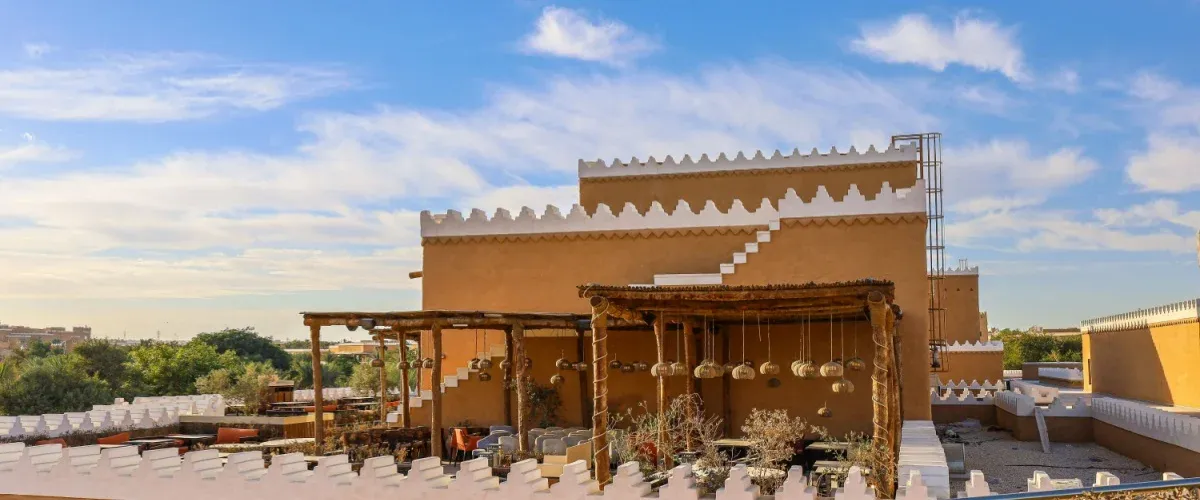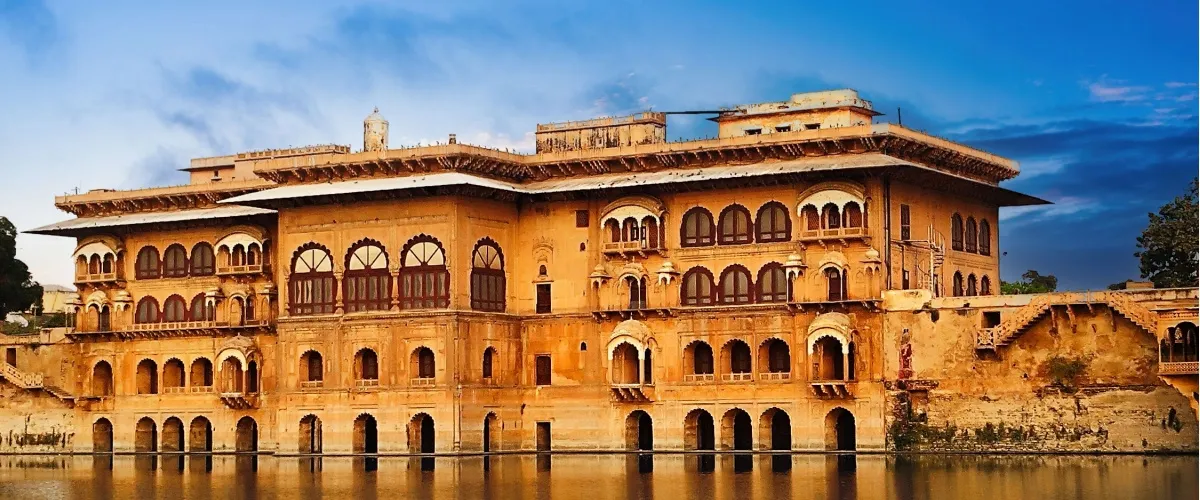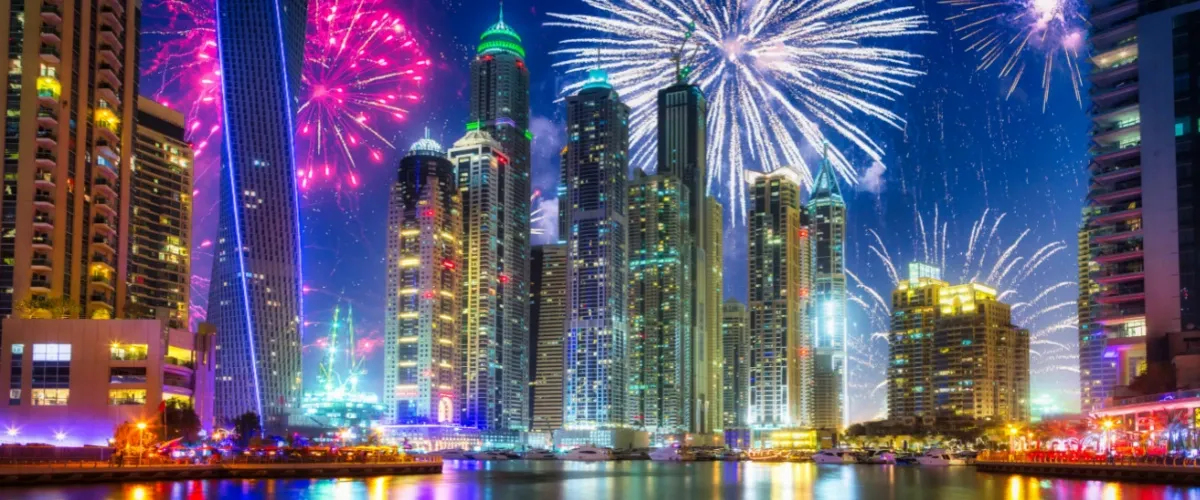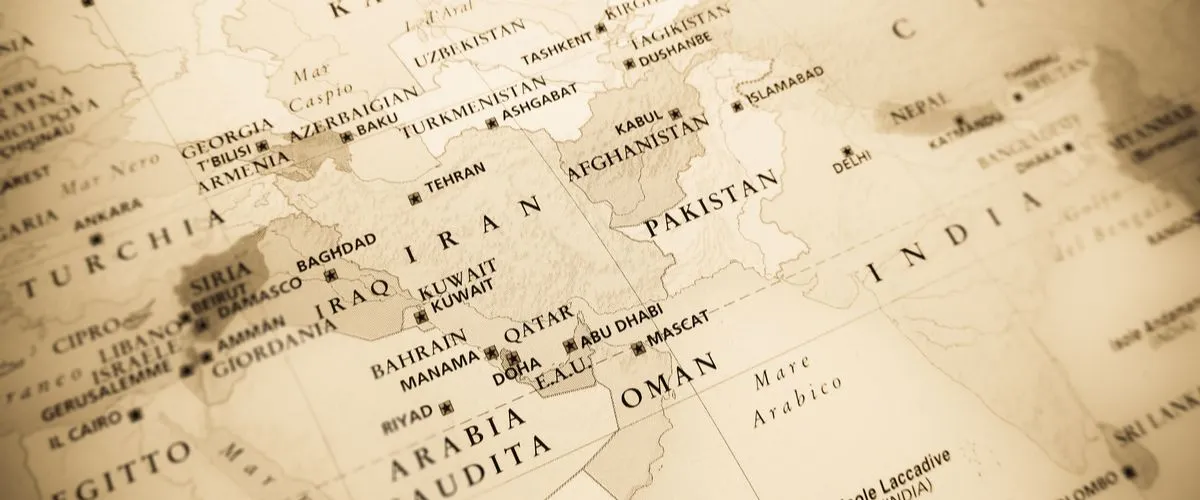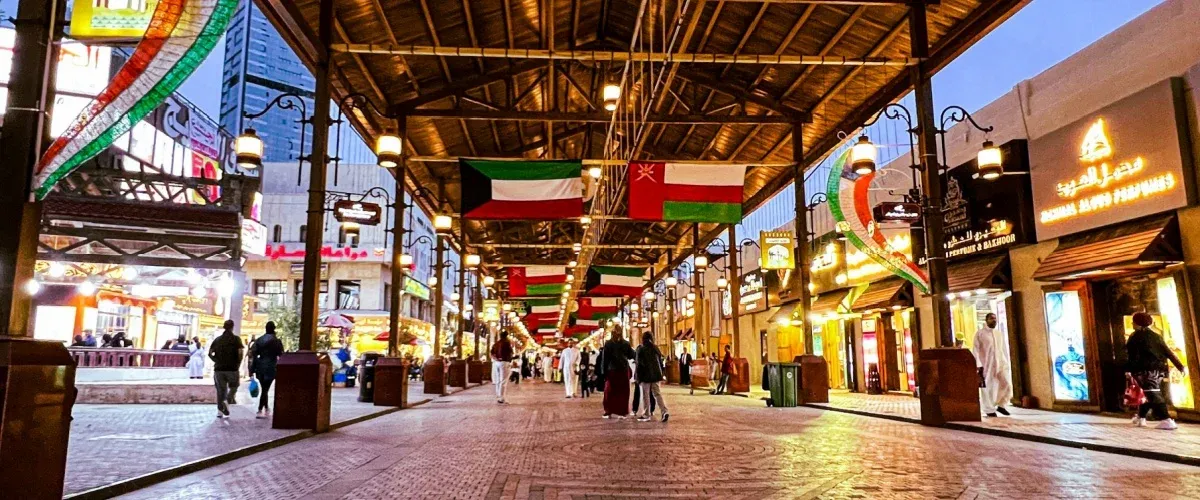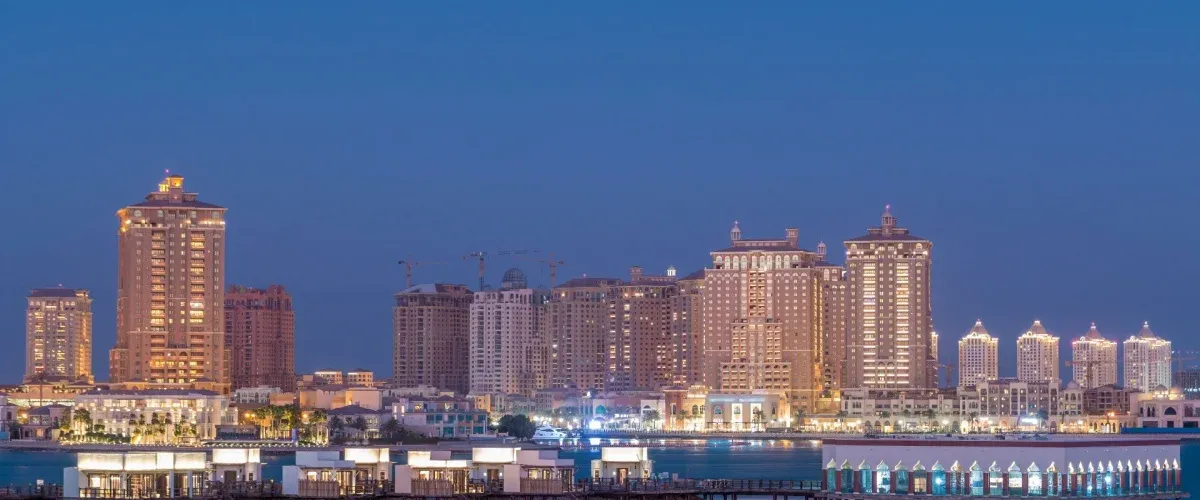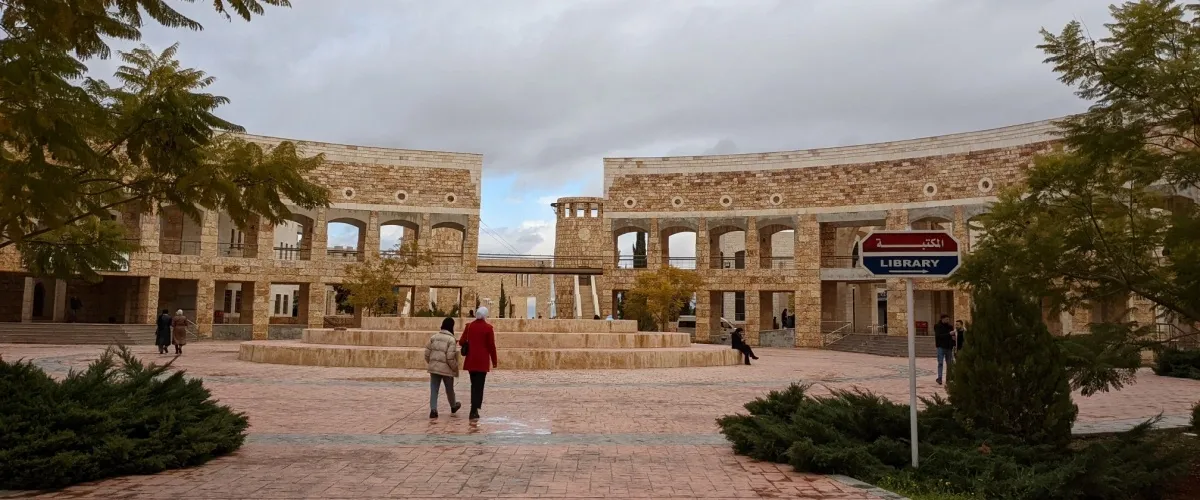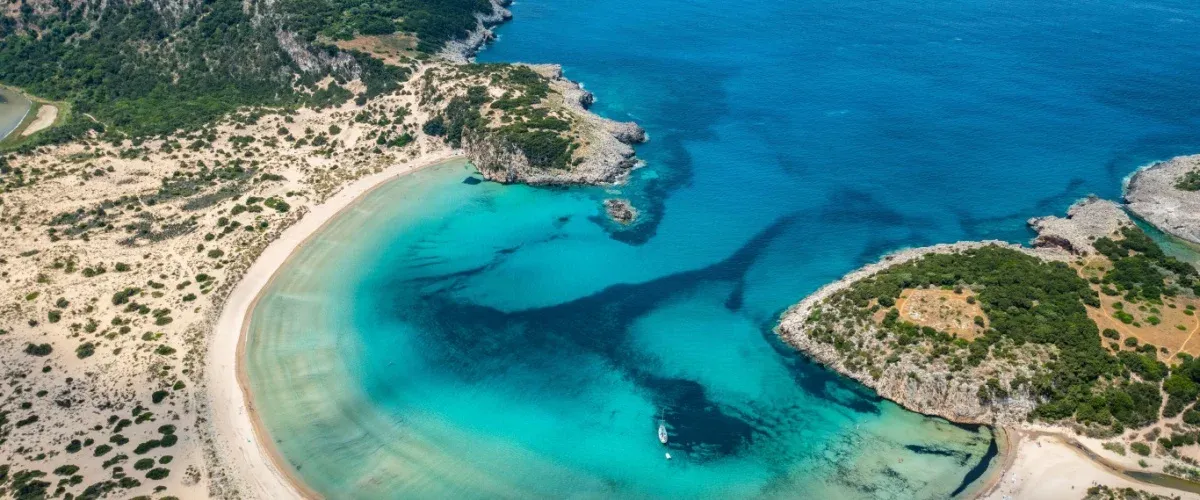
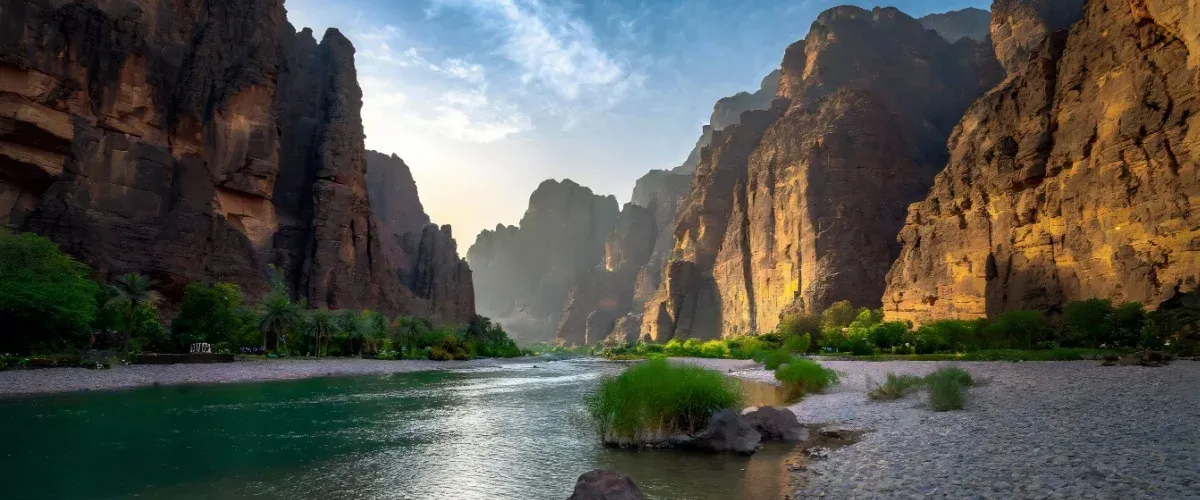
Tabuk is a city in northwest Saudi Arabia, close to the Jordan border. It is known for its history, cool weather, and natural beauty. The city has roots going back thousands of years. It was once a stop for traders and pilgrims. Today, Tabuk is growing fast but still keeps its charm. While visiting here you can explore red mountains, green valleys, and historic places. The region is also known for farms that grow flowers and fruits. Places like Wadi Al Disah, Tayma, and the Tabuk Castle are worth visiting. The city has a calm pace and is less crowded than bigger cities. The weather remains cooler than other parts of the country, especially in winter. Tabuk is also part of Saudi’s Vision 2030 plans, with new projects coming up. It’s a great mix of old culture and modern life. Here in this specific blog we have mentioned some of the top notch attractions of this Arabian gem.
Things to Do in Tabuk: Visit These Top 15 Tourist Attractions
1. Tabuk Castle (Qasr Tabuk)
.webp)
Tabuk Castle is one of the oldest historical sites in northwestern Saudi Arabia. It was built in the 16th century to protect pilgrims traveling from the Levant to Medina. The castle has strong stone walls, two floors, and a large open courtyard. Inside, you’ll find an old mosque, watchtowers, and rooms used by guards. There’s also a water well that once served travelers. Today, the castle has been restored and turned into a small museum. Visitors can learn about Tabuk’s past, the pilgrim route, and life in the region many years ago. It’s a peaceful place to explore, especially for those who enjoy history and architecture.
Visiting Hours: 7:00 AM to 8:00 PM.(All Days)
2. Al Zareeb Castle
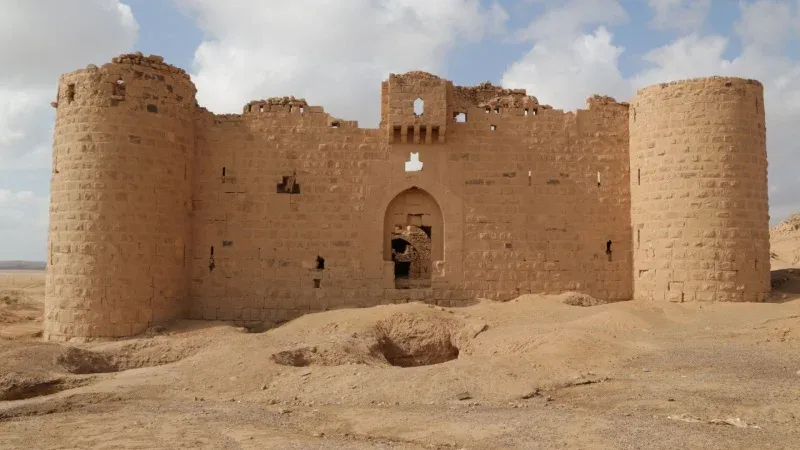
Al Zareeb Castle stands on a plateau in the Al Zareeb Valley, about 10 km east of Al‑Wajh in the Tabuk region. It was built in 1617 during the Ottoman era to protect pilgrims traveling from Egypt and North Africa on their journey to and from Mecca. The stone fortress is rectangular with towers, a central courtyard, a prayer room (musalla), and living quarters around water wells. It also contains two water storage pools. The castle served as a safe rest stop along the ancient Hajj route. It was bombed in 1916 during the Arab Revolt and fully restored in recent years. Today, it is one of the most important archaeological landmarks in the Tabuk area.
Visiting Hours: 8:00 AM to 5:00 PM (All Days)
Suggested Read: Best Places to Visit in Tabuk: Experience the Glory of Saudi Arabia
3. Wadi Disah
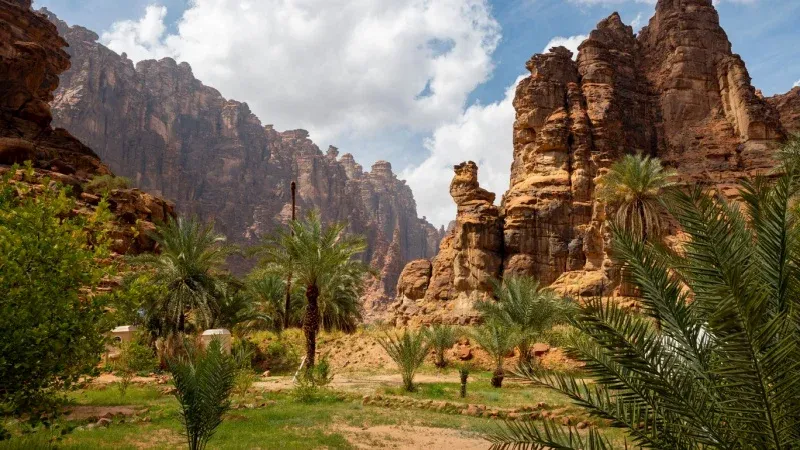
Wadi Al Disah is a beautiful valley in the Tabuk region of northwest Saudi Arabia. You’ll see towering red sandstone cliffs, green palm trees, and flowing springs. The valley sits inside the Prince Mohammed bin Salman Nature Reserve. It stays green year-round, thanks to underground water and occasional streams. This oasis in the desert feels peaceful and magical. Getting there takes about 3 hours from Tabuk city on well-marked roads. At the entrance, some locals offer 4×4 rides deeper into the valley. Even without one, you can park and walk in. Visitors come for its peace, history, and natural beauty.
Visiting Hours: 24x7
4. Tayma Ancient Oasis
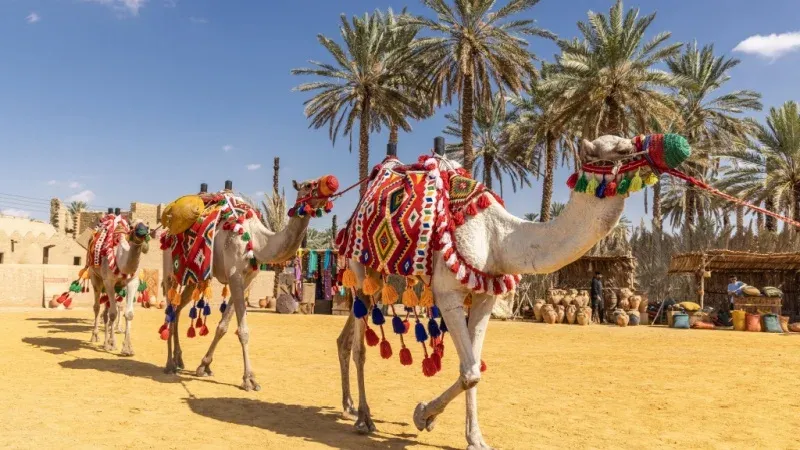
Tayma is a historic desert oasis in northwest Saudi Arabia, located between the Hejaz Mountains and the Great Nafud Desert. People have lived here for thousands of years, since the Neolithic era. The oasis once served as an important stop on trade and pilgrimage routes, including the ancient frankincense road. In the heart of Tayma is the Bir Haddaj Well, around 2,500 years old, surrounded by palm trees. Visitors can also see remains of ancient walls, old palaces like Al-Hamra and Al-Radhm, and clusters of inscriptions in languages like Thamudic and Aramaic. The Tayma Museum gives context to these finds. The oasis shows how water shaped life and culture in the region.
Visiting Hours: 8:00 AM to 6:00 PM (All Days)
Suggested Read: Top Things to do in Medina - A Complete Guide to Visit ‘The Enlightened City’
5. Al Bad (Madyan)
.webp)
Al Bad, also known as Madyan or Mugha’ir Shu’aib, is an ancient site in the Tabuk region of northwest Saudi Arabia. It is believed to be the land where Prophet Shoaib (Jethro) lived. The place features old houses and tombs carved directly into rock cliffs - some structures date back over 3,000 years. The site lies in a valley that once linked trade and pilgrim routes between the Levant and the Red Sea. Today, you can walk among rock-cut ruins, explore simple pathways, and imagine life in a forgotten desert city. Though still under excavation, the area gives a strong sense of history and spiritual legacy. Shade trees and open spaces offer a quiet, reflective atmosphere away from the bustle of modern towns.
Visiting Hours: 8:00 AM to 6:00 PM (All Days)
6. Al-Shaq Canyon (The Grand Canyon of Saudi Arabia)
.webp)
Al‑Shaq Canyon is a deep, long gorge in the southwest of Tabuk province. The cliffs rise sharply on either side and the canyon stretches for many kilometers. Formed by ancient erosion, it has dramatic rock layers and winding paths. Streams flow at the bottom in some seasons, surrounded by green valleys. The area is home to birds and desert plants. It feels wild and untouched. Visitors come to hike, take photos, and enjoy the silence among the red and brown rock walls. Al‑Shaq Canyon offers a full day’s escape into raw nature. Its scale reminds many of the famous Grand Canyon, but with unique Saudi character.
Visiting Hours: 7 AM To 6 PM (All Days)
Suggested Read: Top Exciting Things to Do in Makkah
7. Sharma Beach
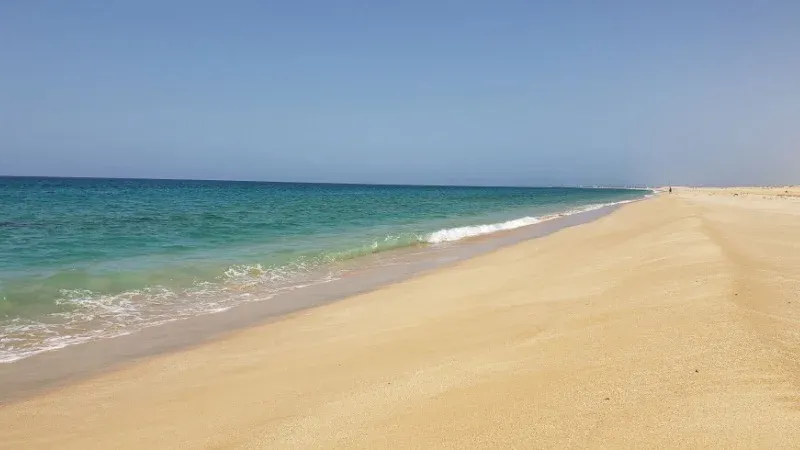
Sharma Beach lies on the Red Sea coast, about 110-140 km northwest of Tabuk, accessible by a scenic 1 to 1.5-hour drive. It’s one of the rare sandy beaches in the region, with soft, golden sand and clear blue water. The sea is shallow near the shore, making it safe for swimming and walking barefoot. There are no stones, so the sand feels smooth underfoot. The beach is quiet and mostly undeveloped, which makes it ideal for relaxation and taking photos. Natural coral reefs just off the coast add color for snorkelers and divers. Sharma is often compared to a private Red Sea paradise.
Visiting Hours: 6 AM To 8 PM (All Days)
8. Al Tawbah Mosque
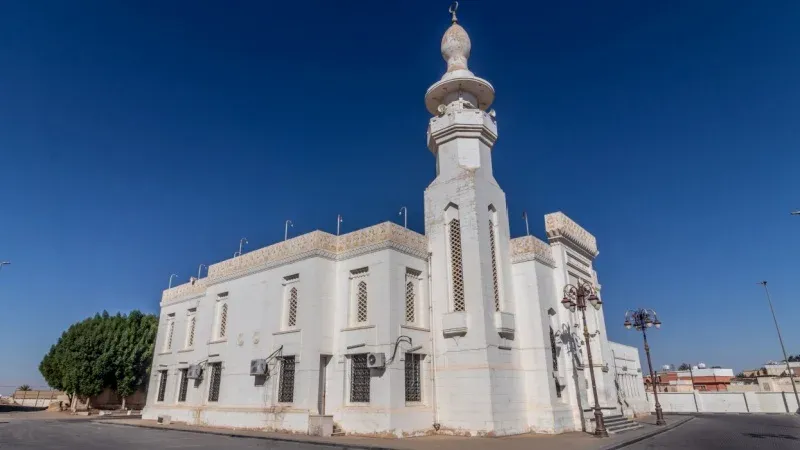
Al Tawbah Mosque stands in the heart of Tabuk city. It was built in the early 20th century and rebuilt after damage during the First World War. The mosque has a large courtyard, simple white walls, and a tall minaret that rings at prayer times. It’s known as the “Mosque of Repentance” and marks a place where pilgrims paused for devotion on their way to Mecca. The mosque is an active religious site and also welcomes visitors interested in local history. The calm interior and open-air courtyard offer a peaceful setting to reflect or observe daily worship.
Visiting Hours: 5 AM To 9 PM (All Days)
Suggested Read: Things To Do In Riyadh, Saudi Arabia To Make The Most Of Your Vacation
9. Prince Sultan Bin Abdul Aziz Park
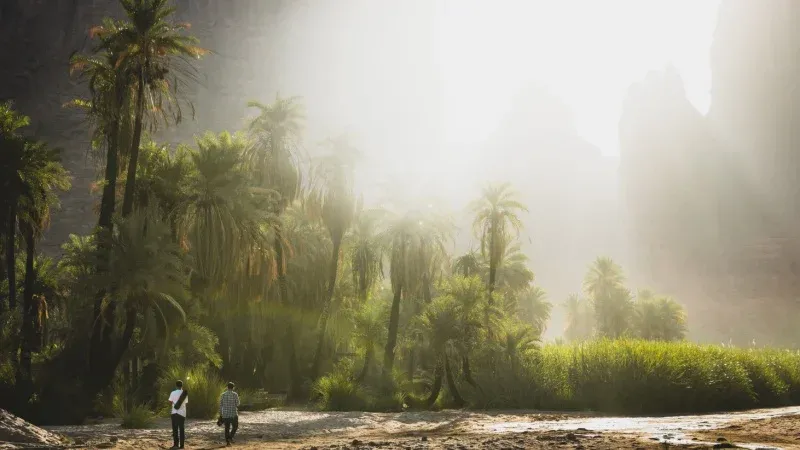
Prince Sultan Bin Abdul Aziz Park is a large and well-kept public park in Tabuk city. It is situated on a gentle hill and offers wide green lawns, tree-lined paths, and shaded resting spaces. The park includes playgrounds, walking trails, sports courts, and a central lake. It is a popular spot for families and locals who enjoy picnics, walks, or simple outdoor fun. Even in summer, the park stays cool in the evenings thanks to its greenery and altitude. During weekends, families gather here for leisure and relaxation in a peaceful setting. The park is open to everyone and offers a pleasant break from the busy city life.
Visiting Hours: 1:40 PM to 11:00 PM (Closed on Tuesdays)
10. Tabuk Souq
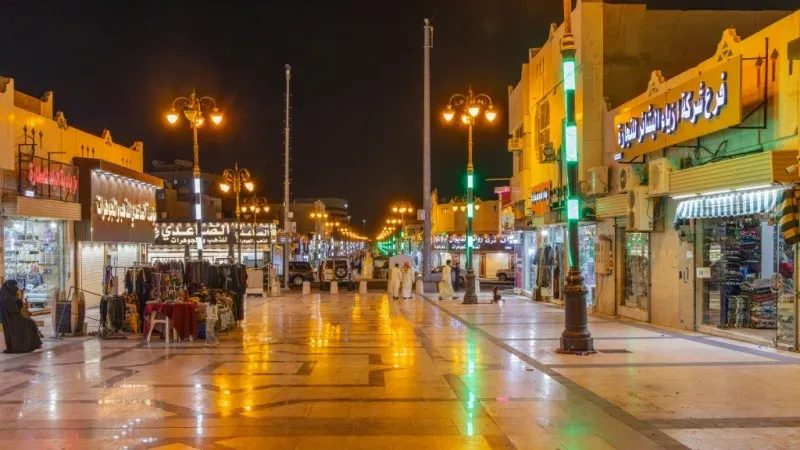
Tabuk Souq is the main traditional market in Tabuk city. It sells local goods like fresh produce, spices, dates, handmade crafts, and Saudi fabrics. The market area has narrow lanes, colorful stalls, and a lively atmosphere. You will see locals shopping for daily items, families browsing goods, and small shops selling coffee and snacks. It’s a great place to watch local life, taste fresh dates, and buy souvenirs. The souq also features a small spice alley where you can smell the rich scents of cumin, cardamom, and other spices. The friendly vendors often offer samples and are happy to chat.
Visiting Hours: 10:00 AM to 10:00 PM (Closed on Fridays)
Suggested Read: Things To Do in Jeddah For All The Love Of Travelling The World
11. Jibal Hisma (Hisma Mountains)
.webp)
Jibal Hisma, also called the Hisma Mountains or Hisma Desert, is west of Tabuk in northwest Saudi Arabia. It covers hundreds of square kilometers with unique sandstone formations. These red and beige rock hills mix with colorful sand dunes. For thousands of years, caravans passed through here on old trade and pilgrimage routes. The area is full of ancient carvings and inscriptions. These include Thamudic and early Arabic writings dating back over 2,600 years. Many inscriptions document travelers’ prayers, names, and life details. The landscape and history combine to make Jibal Hisma a live museum of Saudi Arabia’s past.
Visiting Hours: 24x7
12. Bir Haddaj Well
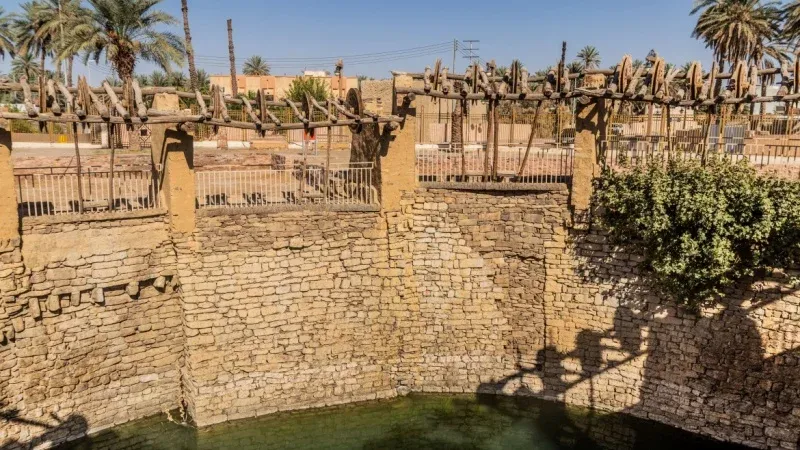
Bir Haddaj is an ancient water well in the center of Tayma town. It dates back to around the 6th century BC and was linked to the Babylonian king Nabonidus. The well is about 13 meters deep and nearly 18-20 meters wide, one of the largest on the Arabian Peninsula. In its peak days, up to 99 camels drew water from it at once. A series of wooden wheels around the rim helped lift water into stone channels that ran out to date farms and orchards across the oasis. The well has been restored to preserve its historic structure.
Visiting Hours: 10 AM To 12 PM (All Days)
Suggested Read: Best Things to Do in Dammam: Discover Activities for Every Passion
13. Haql Shipwreck Beach
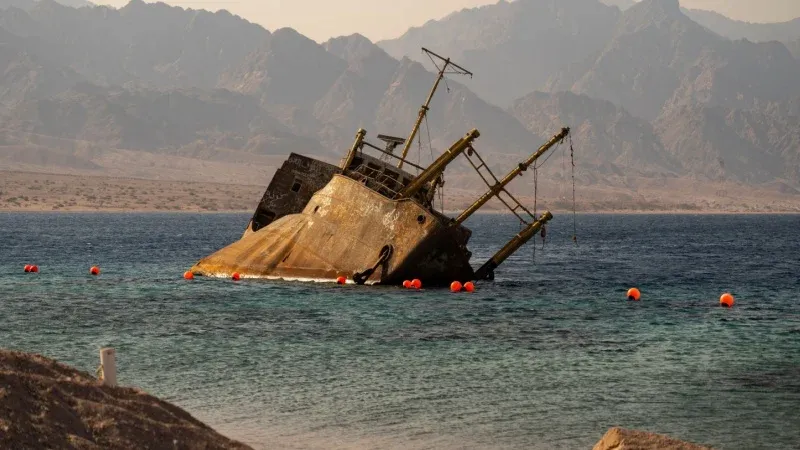
Haql Shipwreck Beach is near the town of Haql on the Red Sea coast. An old cargo ship ran aground here and now rests quietly on the shoreline. The rusted hull contrasts starkly with clear blue water and sandy beach. Over time, parts of the wreck have fallen apart, revealing inner chambers and corroded metal. The surrounding water is calm and clear - a good spot for shallow snorkeling or dipping your feet. The beach is seldom crowded, so you can walk the shoreline, climb onto the wreck, and take striking photos. Sunset frames the rusted ship in a golden glow that travelers love. Haql Shipwreck Beach is a quiet mix of maritime history and peaceful seaside views.
Visiting Hours: 6 AM TO 8 PM (All Days)
14. Disah Palm Oasis
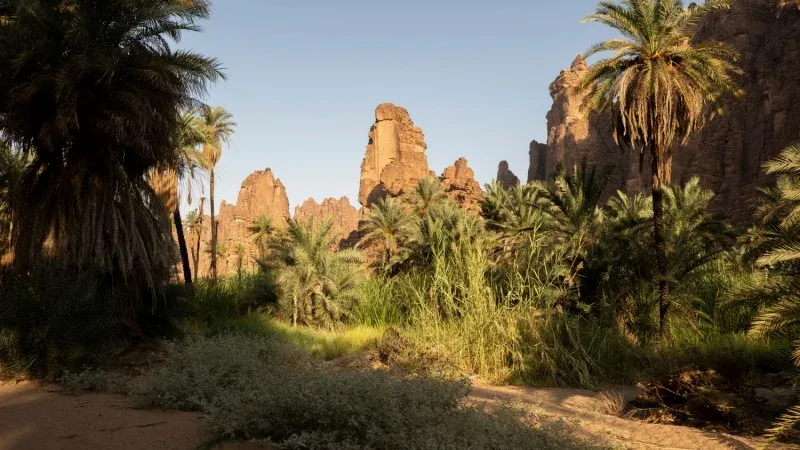
Disah Palm Oasis lies in the northwest of Saudi Arabia, near the Tabuk region. It is a lush, green valley in a dry desert. Tall date palm trees stretch over the sandy land. Streams and small water channels run through the palms. The oasis has many farms growing dates, fruits, and vegetables. Ancient petroglyphs and stone graves can be found nearby. The air is cool under the trees, and the shade feels refreshing. It is a quiet and lovely place for walking, learning about desert farming, and spending calm time in nature.
Visiting Hours: 7 AM TO 6 PM (All Days)
Suggested Read:
15. Maqna Coral Reefs
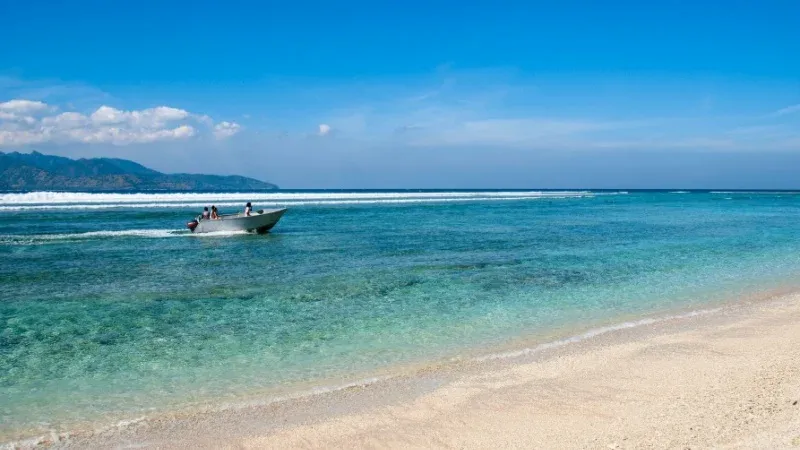
Maqna is a coastal town in Tabuk Province on the Gulf of Aqaba. The Red Sea here has clean and healthy coral reef sites. These reefs sit in clear, warm waters full of marine life. You can snorkel or dive to see hard corals, reef fish, and even rare species only found in this part of the Red Sea. The reefs are part of Saudi Arabia’s long Red Sea coastline and offer vibrant underwater views for visitors.
Visiting Hours: 24x7
Top 10 Activities to Enjoy in Tabuk
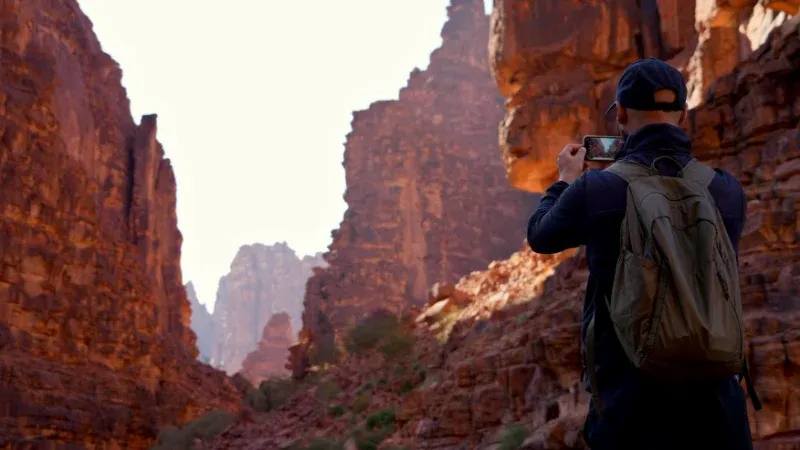
- Go hiking in the desert mountains
Explore scenic desert landscapes, climb rugged hills, and enjoy wide open views. - Try off-road driving on sand and stone trails
Ride a 4x4 through rocky valleys and sandy paths, great for adventure lovers. - Enjoy stargazing at night
The desert sky is very clear, offering amazing views of stars and constellations. - Relax at the beach and swim in clear waters
Find peaceful beaches where you can swim, walk along the shore, or just relax. - Snorkel or dive in coral reef spots
Discover colorful fish and coral reefs in calm, shallow waters. - Watch a desert sunset
The sunset in Tabuk’s open desert is beautiful, with changing colors in the sky. - Try local Saudi food at small eateries
Enjoy traditional dishes like kabsa, grilled meats, fresh bread, and dates. - Shop for local products and crafts
Find handmade items, spices, traditional clothes, and souvenirs in markets. - Visit public parks for a picnic or walk
Take a break in green spaces with walking paths and family play areas. - Take photographs of natural and historic scenes
Bring your camera and capture desert views, old buildings, and local life.
Suggested Read: Saudi Arabia Travel Guide: A Dynamic Country Worth a Visit
Top 10 Cafes & Restaurants to Explore in Tabuk
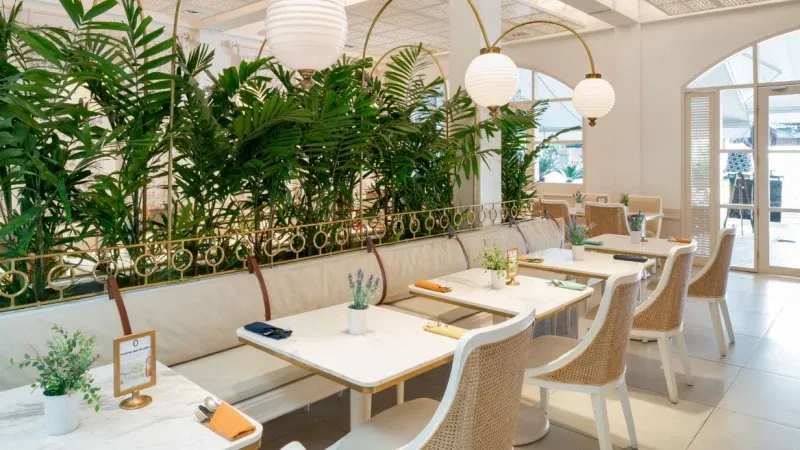
1. Canephora
- A well-loved café with very high ratings and many reviews.
- Serves excellent coffee, light snacks, and a clean, cozy space.
- Good for both solo visitors and groups.
2. After Coffee
- Popular for its tasty coffee and desserts.
- Friendly staff and a relaxed vibe.
- Consistently good reviews from locals and visitors.
3. 1980 Café
- Known for its calm and quiet atmosphere.
- Coffee is well-made; staff pay attention to detail.
- Ideal for chatting or enjoying a peaceful break.
4. The Coffee Address
- A roomy café with options for families or quiet corners for individuals.
- Offers coffee, light meals, and refreshers.
- Welcoming layout and polite staff.
5. Bar.Wa (Egyptian-style café)
- A relaxed Egyptian-themed spot that serves traditional drinks and snacks.
- Known for strong coffee, cane juice, and local treats.
- Comfortable setting and friendly feel.
6. Western Road Steak & Grill
- Offers juicy steaks and grilled meats in a modern setting.
- Great for families or groups, with private seating areas.
- Serves a mix of American and international dishes.
7. Atoll Fusion Restaurant
- Offers a mix of Asian, Middle Eastern, and contemporary dishes.
- Stylish interior and spacious seating—great for families or groups.
- Known for its varied menu and welcoming atmosphere.
8. Jandofly (Seafood Restaurant)
- Specializes in seafood like fried fish, prawns, and Siadiah rice.
- Spacious seating and table service.
- Popular choice for fresh, satisfying seafood meals.
9. Syed Al Biryani Restaurant
- Known for rich Indian and Mughlai dishes like biryani and kebabs.
- Strong flavors and generous portions make it a favorite.
- Good value for money and friendly service.
10. Hatcher’s (Breakfast & Café Style)
- Open early for breakfast dishes like shakshuka, waffles, and crepes.
- Relaxed atmosphere with indoor and outdoor seating.
- Ideal spot for sweet treats, coffee, or a light meal.
Suggested Read: Cafes In Saudi Arabia: Top Spots in Country for a Soulful Coffee Spree
Final Thoughts
Tabuk is full of surprises. From ancient forts and quiet beaches to colorful markets and tasty cafes, there is something for everyone here. Whether you enjoy nature, history, or food, Tabuk offers a peaceful and rich experience. If you are ready to explore this beautiful part of Saudi Arabia, plan your trip with Myholidays and book a Saudi Arabia tour packages. It’s quick, easy, and affordable. Indulge into a smooth travel experience.
FAQs - Things to Do in Tabuk
Tabuk is generally more affordable than other major Saudi cities. Accommodation and food range from budget to upscale, with many attractions either free or low-cost. Expect taxis and transportation to be inexpensive compared to Western standards.
Try local specialties like kabsa (spiced rice with meat), margoog (vegetable stew), and fresh camel milk. Dates, grilled fish, and traditional Arabic coffee are also must-tastes in local restaurants and markets.
Women can travel alone comfortably. While Saudi dress codes have relaxed, it’s best to wear clothing covering shoulders and knees. Women do not have to wear abayas but should choose modest outfits in public spaces.
You can use taxis, ride-hailing apps (like Careem/Uber), or rent a car for more flexibility—especially for out-of-town sites. Some remote spots may require a 4x4 vehicle.
Most archaeological and historical sites are open year-round, though hours may change during the holy month of Ramadan and national holidays. Summers can be very hot, so visiting in cooler months is ideal.
Tabuk enjoys mild winters (10–20°C) and hot, dry summers (up to 40°C). The best time to visit is from October to April, when the weather is pleasant for outdoor activities.
English is widely spoken in hotels, main attractions, and by younger people. In rural villages and markets, some Arabic phrases or translation apps can be useful.
Greet locals politely and avoid public displays of affection. It’s customary to accept coffee or tea if offered. Always ask before photographing people or private property.