Nestled in the eastern part of Africa, Tanzania is one of the most dynamic safari destinations on the planet. The country is home to world-famous national parks, stunning landscapes, and an unmatched diversity of wildlife. From watching lions roam freely in the plains of Serengeti to exploring the lush Ngorongoro Crater and seeing elephants up close in Tarangire, every park offers something new and exciting. Moreover, the welcoming culture of Tanzania fills every day with experiences that will captivate every traveler. This blog will guide you through some of the most popular safari havens in the country and help you choose the right spot for your adventure. Read on...
Why Choose Tanzania Safari?
Commonly known as the “Crown Jewel of African Safaris”, Tanzania is famous for its breathtaking landscapes and an unmatched wildlife experience. Thousands of tourists from across the globe flock to Tanzania annually to experience the unmatched wildlife. From the world-famous Serengeti National Park to the majestic Ngorongoro Crater and vast plains of Tarangire, travelers can catch up with the abundant wildlife that they can get nowhere. A wild safari is the best way to feel close to nature and traveling to safari parks in Tanzania will help you reconnect with nature, understand eco systems and appreciate conservation efforts that protect endangered species.
What Makes Tanzania Safari Special?
Tanzania is abundant in wildlife. The safaris here do not disappoint wildlife lovers. Here are some specific facts that make Tanzania safaris special.
- The Great Migration: Annually, about 1.5 million wildebeest and zebras cross the Serengeti and Mara River. Travelers flock here in thousands to witness this rare phenomenon named ‘the Great Migration’.
- Diverse Landscapes: Tanzania is famous for its nature. Savannahs, volcanic craters, Rift Valley lakes, and snow-capped Kilimanjaro are cherries on the cake.
- Cultural Encounters: During a visit to Tanzania, you will get the chance to interact with the Maasai tribes and learn about their heritage.
- Big Five Experience: A wild safari in Tanzania is one of the best chances to spot lion, elephant, leopard, rhino, and buffalo in their natural habitats.
What Major Animals to Spot in Tanzania?
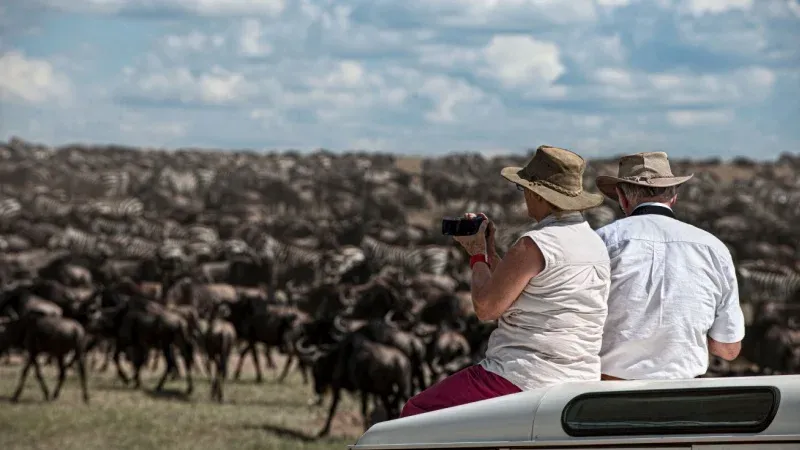
Tanzania is home to more than 4 million wild animals and over 1,100 bird species. Some highlights include:
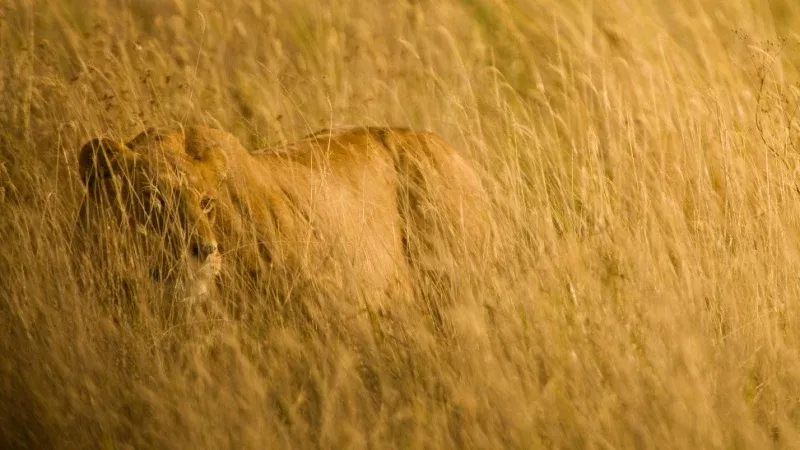
- Big Cats: Lions (including tree-climbing lions in Lake Manyara), leopards, and cheetahs
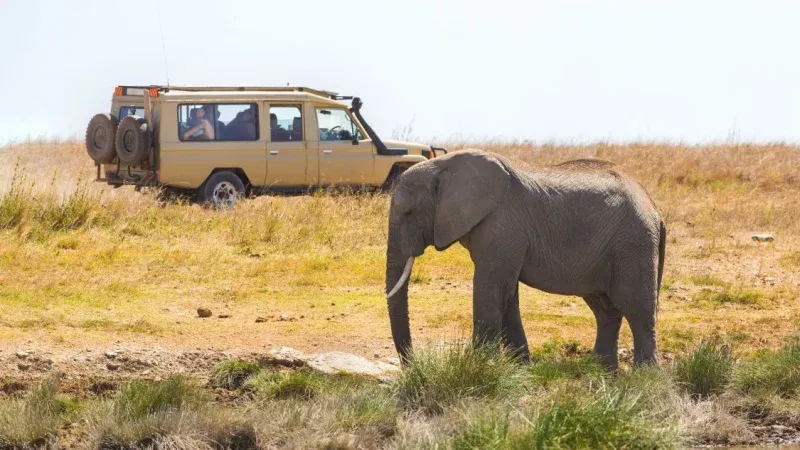
- Elephants: Especially large herds in Tarangire National Park
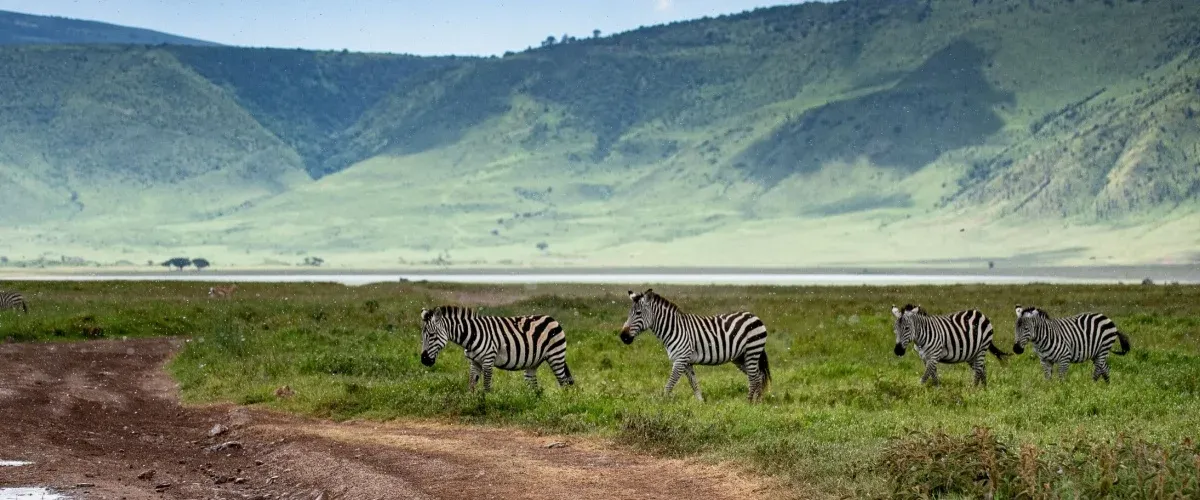
- Giraffes & Zebras: Iconic safari animals seen in abundance
- Rhinoceros: Found in the Ngorongoro Crater
- Hippos & Crocodiles: Seen in rivers and wetlands
- Birdlife: Flamingos, ostriches, crowned cranes, and eagles
How a Tanzania Safari Personally Changes You?
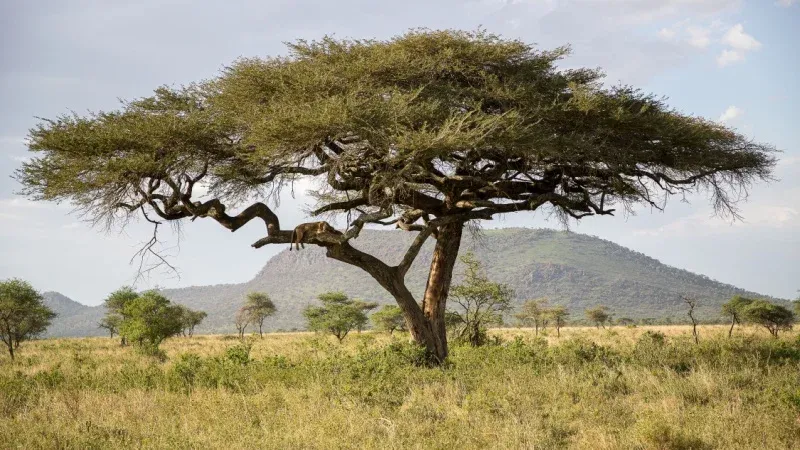
A wildlife safari in Tanzania is a lifetime experience. You will not just encounter millions of animals and birds, but will also feel closer to nature. Here are some benefits of being a part of a Tanzania safari.
- Conservation Awareness: Visitors to the safari parks in Tanzania contribute to park fees that fund wildlife protection
- Mental Rejuvenation: Surrounded by nature, you will find relief from stress and this boosts mindfulness
- Cultural Exchange: Travelers will understand the concept of sustainable living from indigenous communities
- Unforgettable Memories: A Tanzania wildlife safari is often a once-in-a-lifetime adventure
Popular Spots to Visit for Safari in Tanzania for Every Traveler
Here’s a list of the most popular national parks and wildlife reserves where you can enjoy an ultimate safari adventure in Tanzania:
1. Serengeti National Park
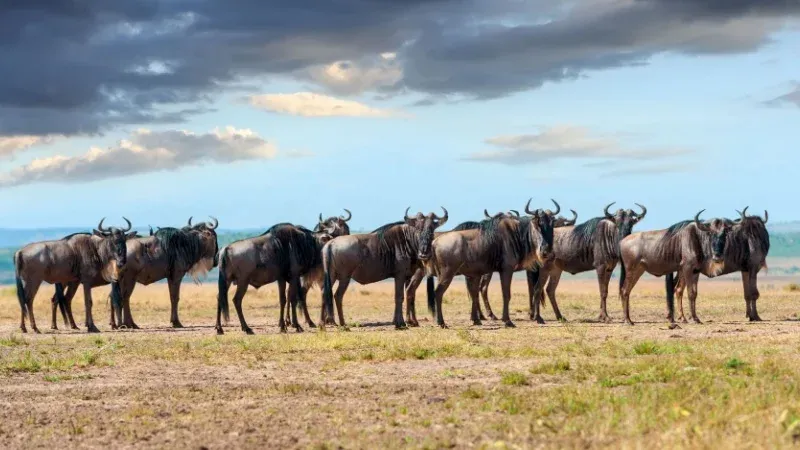
Serengeti National Park has been the crown jewel of any safari in Tanzania ever since its establishment in 1951. This UNESCO-listed protected wildlife reserve is famous worldwide for its sweeping woodland savannahs and the annual Great Migration. Visitors can actually watch more than 1.5 million wildebeest and 3 lakh zebras along with Topi and other gazelles move towards the plains of Serengeti. Spanning over 14,763 square kilometers, the park is home to diverse wildlife, including more than 2 million ungulates, 4000 lions, 1000 leopards, 550 cheetahs and over 500 species of birds. Beyond classic game drives, try a sunrise hot air balloon safari or a night drive to spot elusive nocturnal animals.
Visiting Hours: 6 AM to 6 PM, Daily
Best Time to Visit: June to October (Great Wildebeest Migration)
Tips for Safari in Serengeti National Park:
- Book your Serengeti safari well ahead if visiting during the Great Migration
- Take a hot air balloon ride at sunrise for unparalleled wildlife spotting and photos
- Stay in different areas of the park (Central, North, South Serengeti) to see varying landscapes and animal behaviors
- Bring warm clothes as mornings and evenings get cold, even in the dry season
2. Ngorongoro Crater
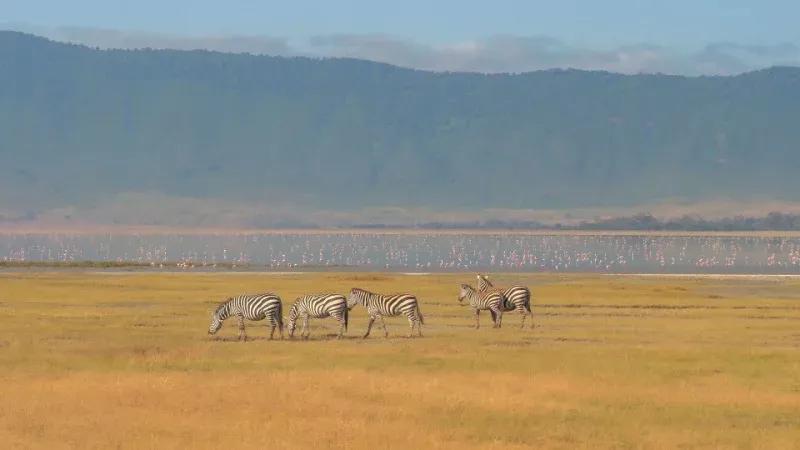
Often termed as Africa’s ‘Garden of Eden’, Ngorongoro Crater is a spectacular wildlife reserve within Ngorongoro Conservation Area in Tanzania. Formed by a massive volcanic eruption, it’s one of the world’s largest intact calderas and offers a unique, contained ecosystem. Spanning over 300 square kilometers, the gigantic caldera boasts diverse wildlife within dramatic volcanic walls. The crater floor shelters endangered species like black rhinos, African bush elephants, golden cat, and wild hunting dogs. Inside the crater, you can also find zebras, hippos, black spotted hyenas, wildebeest, gazelles, lions, leopards, and buffalo. Moreover, Ngorongoro Crater is home to over 500 different bird species, such as ostriches, kori bustards, crowned cranes and flamingos on Lake Magadi.
Visiting Hours: 6 AM to 6 PM, Daily
Best Time to Visit: June to October, January to March
How to Make the Most of Your Visit to Ngorongoro Crater:
- Arrive early to avoid the rush and see predators at their most active hours
- Stop at the crater rim for spectacular views of sunrise and sunset
- Go on a walk with a Maasai guide to learn about local culture and traditional lifestyle
- Bring binoculars to watch birds like flamingos and cranes even from a distance
Suggested Read: Things to Do in Tanzania: Experience the Wild Beauty of Africa
3. Tarangire National Park
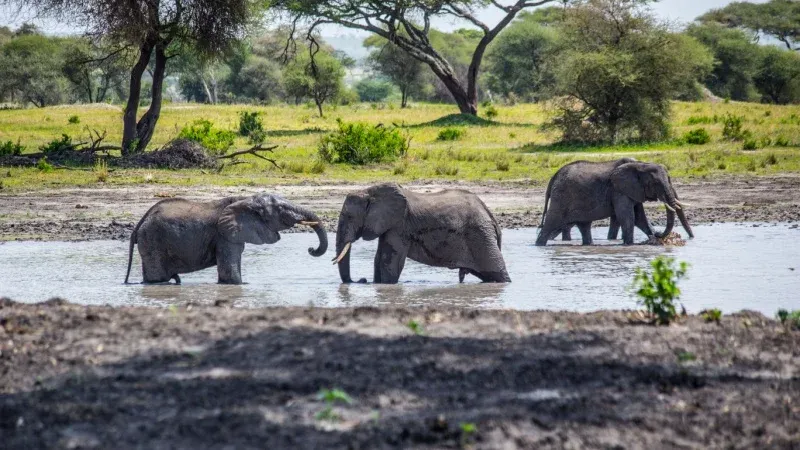
For anyone with a deep appreciation for Image is only for referenceelephants, Tarangire National Park is a must-visit! Founded in 1970, the reserve boasts the largest elephant population in Tanzania, which is estimated at 2,319. The park covers about 2,850 square kilometers and is named after the Tarangire River, which runs through it. Here, you will find rolling hills, seasonal swamps, expansive savannah and woodlands dotted with ancient baobab and acacia trees. Visitors can also see lions, leopards, buffalo, zebras, giraffes, wildebeest, and more than 550 species of birds, including Yellow-collared lovebird, Lilac-breasted roller, Ostrich, and Kori bustard.
Visiting Hours: 6 AM to 6 PM, Daily
Best Time to Visit: June to October
Insider Tips for Planning Safari in Tarangire National Park:
- Visit in the dry season (June-October) to witness animals gather near the Tarangire
- Hire a private guide to explore the wilderness of Africa
- Stay in a private lodge near the park to enjoy best walking safaris and night drives
- See baobab trees against golden skies for classic African photos
4. Lake Manyara National Park
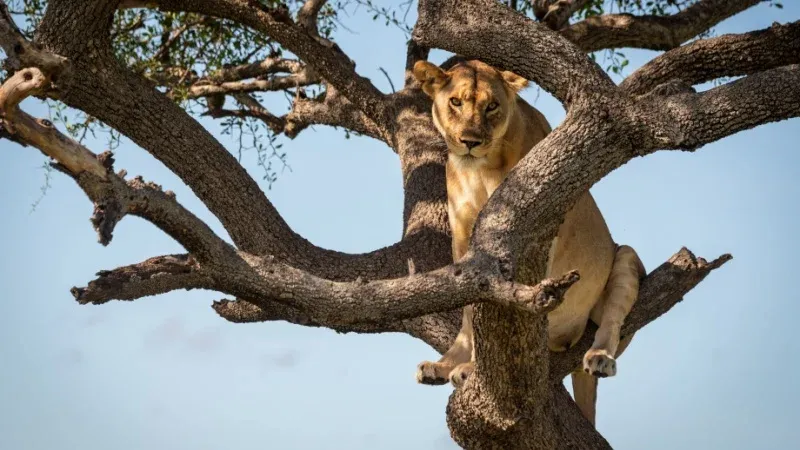
Located in northern Tanzania, Lake Manyara National Park is a small but beautiful wildlife reserve with an area of about 330 square kilometers. It is here where you can see tree-climbing lions, big groups of baboons, and large herds of straight-tusked elephants. The shallow waters of Lake Manyara support rich birdlife, majorly flamingos among other 400 species of birds found here. The landscape of the park shifts from jungle to grassy plains to acacia woodland, making it an amazing place for birdwatching and photography. You can also see hippos, giraffes, buffalo, zebras, and klipspringer.
Visiting Hours: 6 AM to 6 PM, Daily
Best Time to Visit: June to October
Activities to Try in Lake Manyara National Park:
- Enjoy a guided forest walk for close-up views of monkeys and birdlife
- Go biking or canoeing for a fresh, active way to see the park
- Stop by the nearby Mto wa Mbu village for a local market tour
- Spot tree-climbing lions early in the morning
Suggested Read: Your Ultimate Guide to Top Destinations for Safari in South Africa
5. Nyerere National Park
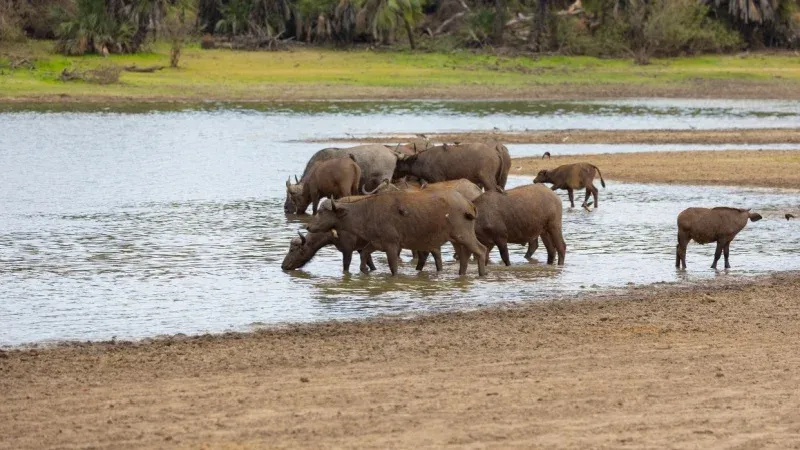
Formerly known as Selous Game Reserve, Nyerere National Park is one of the largest protected areas in Africa. Stretching across 30,000 square kilometers in southern Tanzania, the park offers a remote safari experience since 1922. The park is known for its diverse wildlife and birdlife, including native and migratory species. The Rufiji River running through the park is one of the best spots to see wildlife, especially during the dry season. Here, visitors can see animals like elephants, lions, giraffes, hippos, and crocodiles and more than 440 types of birds, including African Skimmer, Fish Eagles, African Snipe, and Green-headed Oriole.
Visiting Hours: 6 AM to 6 PM, Daily
Best Time to Visit: June to October
Tips for Visiting Nyerere National Park:
- Enjoy a boat safari on the Rufiji River to see crocodiles and birds
- Indulge in multi-day bush camping with expert guides
- Bring insect repellent as the riverine environment attracts mosquitoes
- Dry season offers best opportunities for clearer wildlife viewing
6. Ruaha National Park
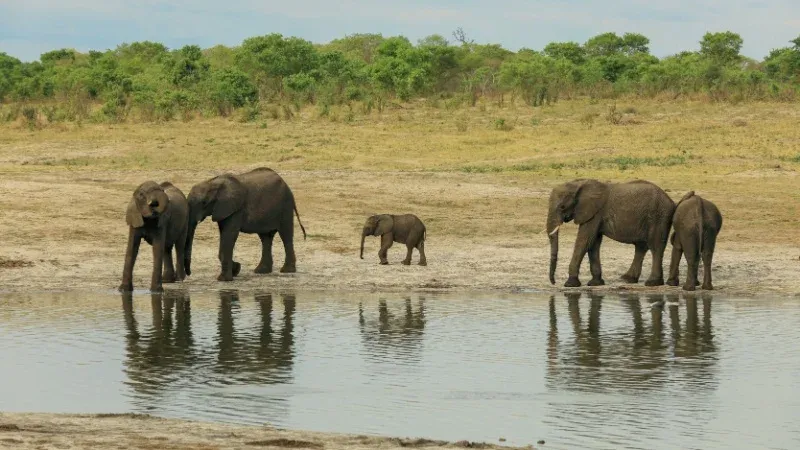
Seeking a safari adventure with fewer vehicles around? Ruaha National Park in Tanzania is literally a haven for wildlife enthusiasts and nature lovers. Covering about 20,226 square kilometers, it is the largest national park in Tanzania since 1964. The park is also famous for its landscape that features rugged baobab-studded hills, open plains, and great rivers. Here, you can see 80 species of animals, including lions, elephants, rare wild dogs, cheetahs, zebras, and leopards. Ruaha is also a good place for birdwatching, with more than 570 species living here.
Visiting Hours: 6 AM to 6 PM, Daily
Best Time to Visit: June to November
How to Make the Most of Your Visit to Ruaha National Park:
- Consider early morning and late afternoon drives for the best chances of seeing predators
- Embark on a guided walking safari for spotting spoor and learning bush skills
- Witness the most beautiful sunset over the Great Ruaha River
- Indulge in a bush dinner under the stars, if the camp offers it
Suggested Read: The Best Places To Visit In South Africa For An Astonishing Diversity
7. Arusha National Park
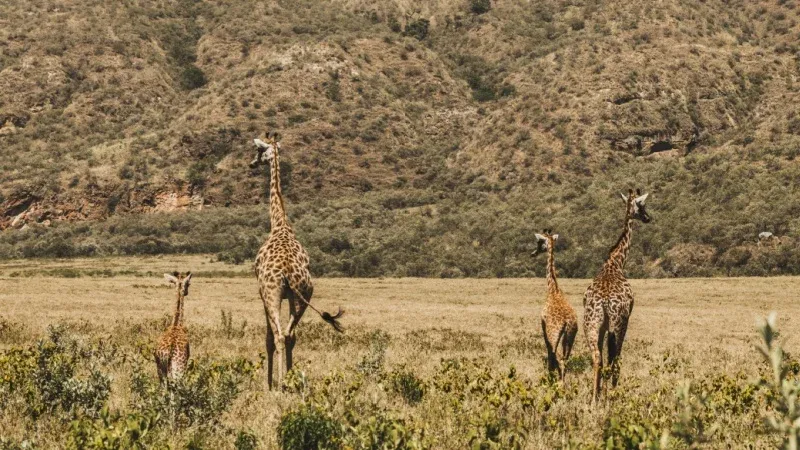
Just a 45-minute drive from Arusha city, Arusha National Park is a gem in Tanzania that offers epic safari adventures. Spanning across 137 square kilometers, this small but varied park offers dramatic scenery from the forested slopes of Mount Meru to sparkling Momella lakes. The park was founded in 1960 and is managed by Tanzania National Parks Authority. During game drives, visitors can spot giraffes, zebras, buffalo, waterbucks, bushbucks, warthogs, black-and-white colobus monkeys, leopards, blue monkeys, and velvet monkeys. The park is also home to over 400 bird species, especially pink-hued flamingos.
Visiting Hours: 6 AM to 6:30 PM, Daily
Best Time to Visit: June to February
Tips for Safari in Arusha National Park:
- Pair your game drive with a guided walking safari for giraffe encounters on foot
- Enjoy canoeing on Momella Lakes for a unique wildlife viewing experience
- See black-and-white colobus monkeys in the mysterious fig forest
- Wear sturdy shoes as the forest and volcanic trails can be slippery
8. Lake Manyara National Park
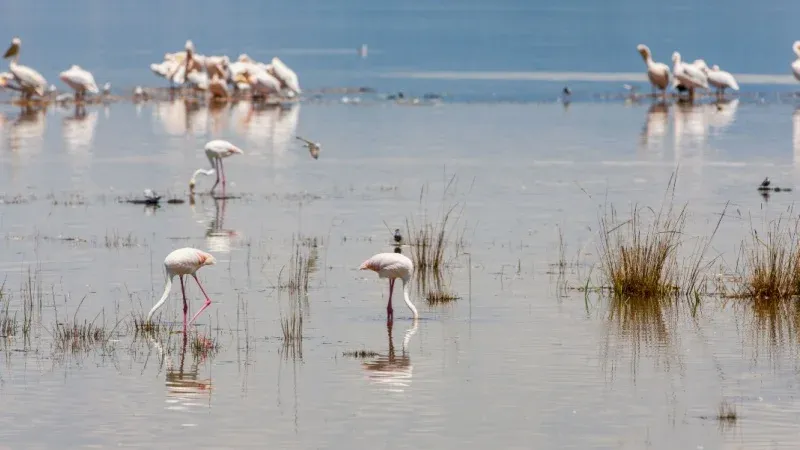
Situated near the town of Mto wa Mbu, Lake Manyara National Park is one of the most stunning safari destinations in Tanzania. The park is globally renowned for tree-climbing lions and diverse birdlife comprising 400 different species, especially beautiful pink flamingos. Set up in 1960, this wildlife reserve offers a mix of dense woodlands, steep mountainsides, hot springs, and a large soda lake. You can also see elephants, giraffes, hippos, zebras, and baboons.
Visiting Hours: 6 AM to 6 PM, Daily
Best Time to Visit: June to October
Things to Do in Lake Manyara National Park:
- Indulge in photography and birdwatching at Lake Manyara
- Enjoy canoeing in the lake during the dry season (June to October) when water levels are low
- Go on walking safaris and cultural visits to local village
- Join a guided tour for a more in-depth understanding of the reserve's ecosystem and wildlife
Suggested Read: Top Hotels In South Africa For Your Next Great Escape To The Country
9. Mount Kilimanjaro National Park
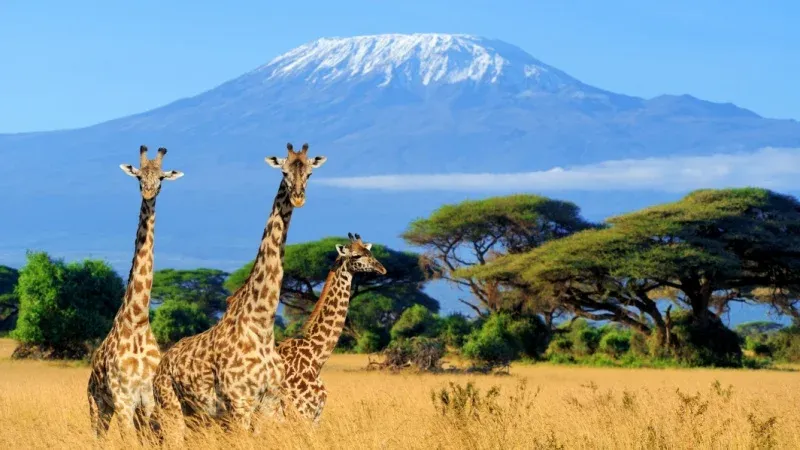
Mount Kilimanjaro National Park is a large wildlife reserve nestled in Africa’s highest mountain, Mount Kilimanjaro. Founded in 1973, Mount Kilimanjaro National Park has been recognized as a UNESCO World Heritage Site for its natural beauty and ecological importance. The park is popular for hiking and climbing, which offer breathtaking views of forests, moorlands, and alpine deserts. Within its vast area of 1,688 square kilometers, the reserve shelters over 750 kids of birds and 154 mammal species. Additionally, the park features 2,500 species of plants across its five distinct ecological zones.
Visiting Hours: 7 AM to 6 PM, Daily
Best Time to Visit: January to March, June to October
Activities to Try in Mount Kilimanjaro National Park:
- Reserve well-shaded campsites on the Marangu Route for comfort
- Hire local guides to explore the best trails and hear stories
- Plan treks between January and March or from June to October for the clearest weather
- Take your time to get to the altitude and enjoy the journey
10. Mahale Mountains National Park
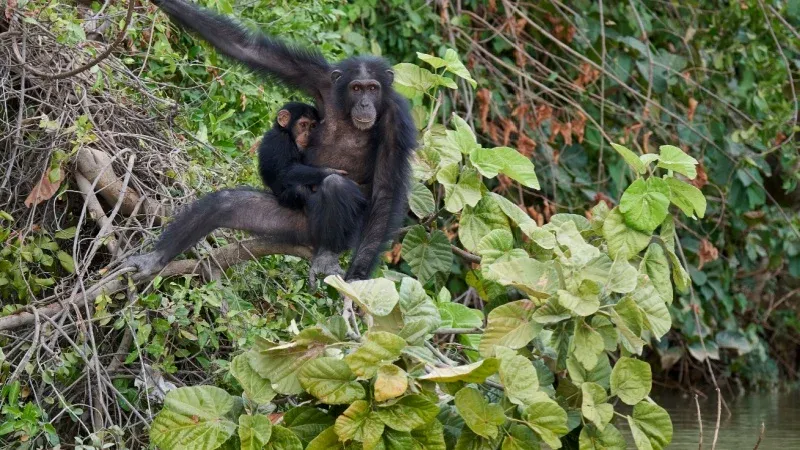
For a truly rare safari experience in Tanzania, make your way to Mahale Mountains National Park. Located on the eastern shores of Lake Tanganyika, the reserve boasts the highest population of chimpanzees in the world. Established in 1985, the park has steep peaks of Mahale Mountains and dense rainforests that set the scene for up-close encounters with wild chimpanzees. You can also see other wildlife like red colobus monkeys, leopards, and many kinds of birds. Moreover, the crystal-clear waters of the lake are ideal for kayaking, swimming, and fishing.
Visiting Hours: 7:30 AM to 5 PM, Daily
Best Time to Visit: May to October
Insider Tips for Mahale Mountains National Park:
- There are no roads inside the park, so you have to reach it by boat
- Book chimp trekking permits far in advance as there is a daily limit
- Keep extra travel days for flights or boat transfers because the park is in a remote area
- Bring waterproof gear because it rains frequently throughout the year
Suggested Read: Best Honeymoon Places In Africa: Crafting Memories For A Lifetime
Types of Accommodations in Tanzania Safaris
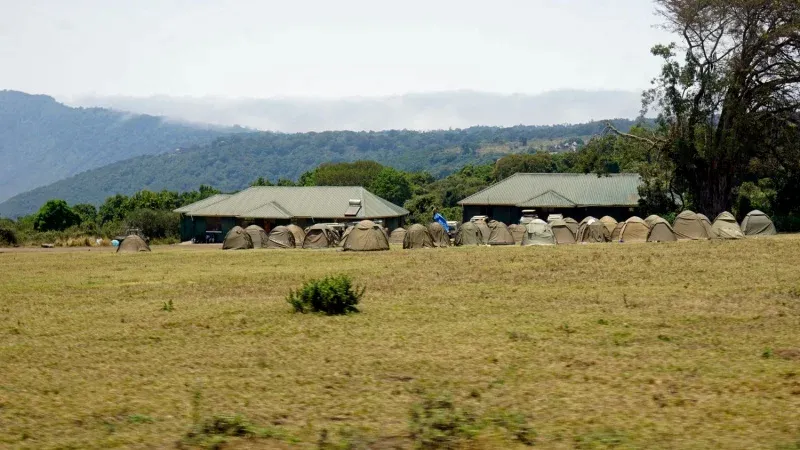
With thousands of travelers visiting Tanzania wildlife, there is no shortage of accommodations here. You may get a wide range of accommodation types - from very basic campsites to ultra-luxury lodges. It is your budget that determines your accommodation type. If you want to be immersed in nature, you have got accommodation types to experience that well. To help you, we have got details of different accommodation types in Tanzania safaris. Here are the main types and what to expect:
- Luxury Lodges: These are permanent buildings, often inside or just outside parks. Luxury lodges may be categorised to 4- to 5-star level, based on their amenities that include hot water, flush toilets, possibly private plunge pools, fine dining, pools and spa. These are meant for tourists who prefer high comfort and design.
- Semi-Luxury/Comfort Lodges/Tented Lodges: These are a mix of lodge and tent. These have permanent platforms, solid floors, canvas or semi-permanent structures with thatched roofs. You may appreciate their scenic settings. The amenities may include en-suite bathrooms, nicer furniture, good food, sometimes a pool and more luxury touches.
- Tented camps: Those who want to live close to wildlife prefer canvas tents, often permanent but sometimes semi-permanent or mobile. The typical safari setup maintains a good balance of comfort and adventure. Tented camps may have beds, bathrooms, sometimes with running water, maybe a generator / solar power. They are often more rustic than lodges.
- Mobile/Roaming Camps: These are camps that move with seasons or wildlife. Though they look similar to tented camps. They are remote and are set up in prime game areas, often with excellent views and wilderness experience. You get to stay very close to wildlife, which will be a thrilling experience.
- Bush Camps/Semi-Permanent Camps: Though more rustic than tented lodges, this camp is a favorite of thrill lovers. These camps will be closed in off-seasons. They come with basic structures, such as open-air bathrooms, simpler furniture and more basic services.
Things to Consider While Booking an Accommodation in a Tanzania Safari
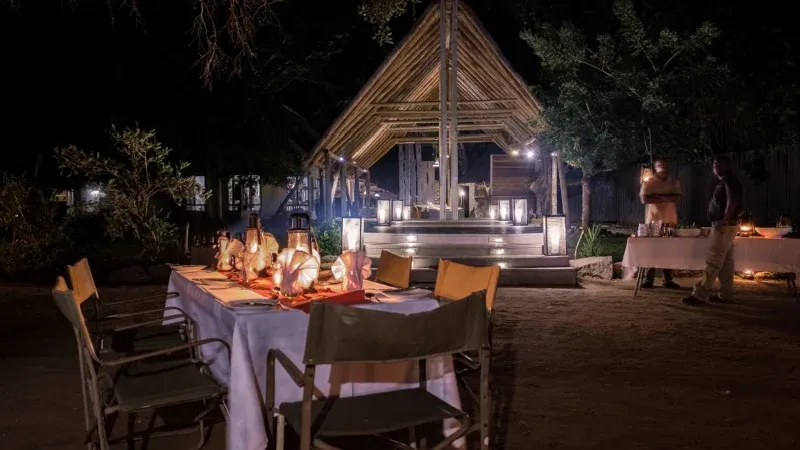
While you book an accommodation in Tanzania safari, it is good to consider the following factors.
- Location: You need to take a call on whether the accommodation is inside a national park or outside. Lodges inside often allow earlier/longer access, but cost more. Outside lodges may require driving in.
- Seasons/Migration: You should know that mobile camps shift according to wildlife migrations. And hence, the best location varies with the time of the year. Being in the right place at the right time may mean staying in remote/mobile camps.
- Amenities vs Wilderness: During the Tanzania safari, you should be ready to give up luxury. This may keep you away from the wild side. If you want to fall asleep hearing animals, pick tented/mobile camps or bush camps. However, if you want solid comfort, you may prefer lodges.
- Cost: There is no fixed cost and the expenditure may vary, based on the location, amenities and other factors. Basic camps could be relatively affordable, while luxury lodges and premium mobile camps can be very expensive. You should also note that peak season rates are much higher in Tanzania safari.
Tips to Consider on Safari
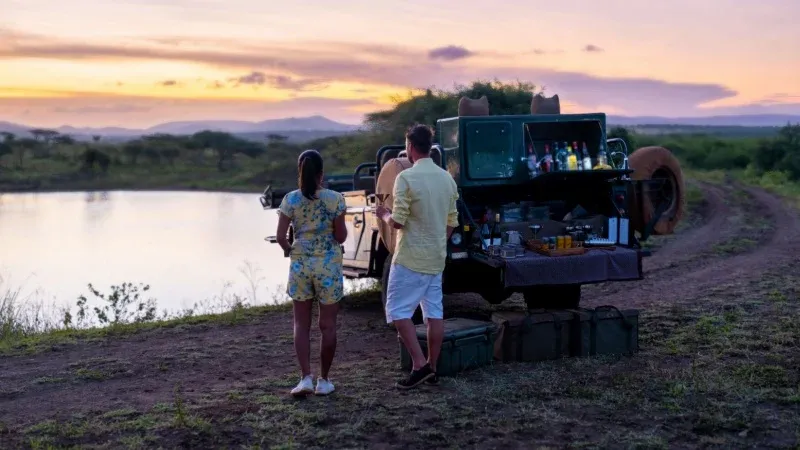
Wildlife safari in Tanzania is different from other adventures. You need to realize that you are entering into animal territory and you should be ready to give up egos. Your priorities have no place while in the forest and it is crucial to follow the guidelines for a safe and fruitful safari. Here are some tips to make your travel effective.
- Always follow your guide’s instructions
- Do not feed or approach animals
- Keep voices low and respect wildlife space
- Stay in the vehicle unless instructed otherwise
- Carry a basic first aid kit
- Protect your valuables - use waterproof bags and secure storage
- Pack neutral-colored clothes and comfortable walking shoes
- Bring essentials like a hat, sunscreen, and an insect repellent
- Bring a camera, but avoid using flash and don’t disturb animals for photos
Health Advisories for Tanzania Safari
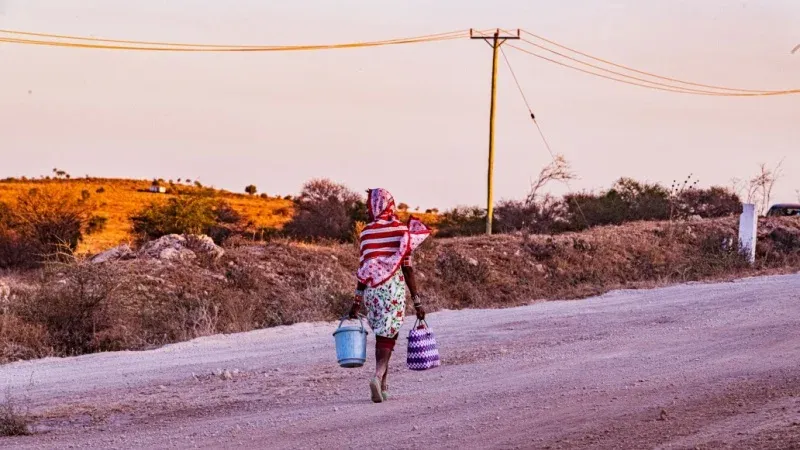
Before you pack the bags for a vacation to Tanzania, keep these in mind:
- Vaccinations: Yellow fever (mandatory if coming from an endemic country), typhoid, hepatitis A & B, tetanus
- Malaria Prevention: Carry anti-malarial medication and insect repellent
- Food & Water Safety: Drink bottled/filtered water and avoid raw foods
- Travel Insurance: Strongly recommended, covering health, accidents, and evacuation
A safari in Tanzania is a once-in-a-lifetime adventure. Whether you are traveling solo or with friends and family, Tanzania will leave you amazed with its rich wildlife, stunning landscapes, and unique culture. Remember to pack wisely, respect nature, and follow your guide’s advice. For the best experience, plan your trip with our Tanzania safari packages that offer premium accommodations, flights, personalized itineraries and friendly guides for comfort and convenience of the travelers. Book today and get ready to witness the wild beauty of Africa like never before!
FAQ’s - Safari in Tanzania
The best time of the year to go on a safari adventure in Tanzania is during the dry season, which persists from June to October.
Your Tanzania safari budget can start around USD 200 per day, while luxury options may run USD 800 to 1,500 per day. Total rates of safari packages typically include park fees, meals, guided game drives and additional activities.
Yes, Tanzania safaris are generally safer, especially with expert tour guides. Plan the adventure with reputable tour operators, follow park rules, avoid walking alone at night in urban areas, and protect yourself against mosquitoes.
Yes, a self-driven safari adventure in the national parks of Tanzania is possible. However, most tourists prefer organized tours because park roads are challenging and signage is limited.
Yes, Tanzania offers family-friendly safari experiences, however, age restriction may apply for some walking safaris or chimpanzee trekking. Many camps inside or nearby these destinations offer activities for kids, such as junior ranger programs and special menus.
Yes, check with your doctor about recommended vaccines (like yellow fever) and take malaria prevention medication before traveling to Tanzania for a safari adventure. Also, make sure to bring an insect repellent along and wear fully-covered clothing at dawn and dusk.
During a safari in Tanzania, you can expect a mix of local and international dishes. Meals usually include fresh fruits, vegetables, grilled meats, rice, stews, bread, and desserts, served either in a buffet or a set menu style.
Yes, it is recommended to book safari packages to Tanzania in advance, especially during peak seasons. This ensures availability, better prices, preferred lodges, and smooth travel arrangements for your trip.
.jpg)