Kerala, often referred to as "God's Own Country," is a stunning state located in southern India. Known for its lush landscapes, tranquil backwaters, and vibrant culture, Kerala offers a unique travel experience. However, choosing the right time to visit can make all the difference in your journey. In this guide, we'll explore the best seasons for exploring Kerala's beauty, considering factors like weather, festivals, and travel preferences.
Kerala's climate is a tapestry of tropical patterns, characterized by heavy monsoons and warm temperatures throughout the year. Understanding the seasonal changes will help you decide the best time to visit. Each season brings its own charm and possibilities, making Kerala a versatile destination.
Kerala experiences three main seasons: winter, summer, and monsoon. Each season has distinct characteristics that impact travel experiences. While winter offers cool and pleasant weather, summer can be hot and humid, and the monsoon transforms the landscape into a lush paradise. Travelers should consider what kind of experience they seek—be it adventure, relaxation, or cultural immersion—when choosing a season to visit.
The geographical diversity of Kerala contributes significantly to its climate variations. From the coastal plains to the Western Ghats' highlands, each region experiences weather differently. Coastal areas like Kochi may be more humid, while the hill stations like Munnar enjoy cooler temperatures. Understanding the geography can help travelers plan their itinerary to experience the best of each region during their visit.
The monsoon season plays a pivotal role in shaping Kerala's climate. The southwest monsoon arrives in June, bringing heavy rainfall that rejuvenates the land. This season is crucial for agriculture and significantly influences the local lifestyle and festivities. For travelers interested in experiencing Kerala's natural beauty at its peak, the monsoon offers a magical, albeit wet, adventure.
A Journey Through Kerala: Nature, Culture, and Serenity
- Perfect Climate for Sightseeing: Winter in Kerala is characterized by cool and pleasant weather. With temperatures ranging from 24°C to 30°C, it's ideal for outdoor activities such as sightseeing, hiking, and beach outings. The low humidity levels make it comfortable for travelers to explore without the discomfort of excessive heat.
- Cultural and Festive Vibrancy: This season is also rich in cultural experiences, as several festivals, including Christmas and New Year's celebrations, take place. Travelers can immerse themselves in the local culture, participate in traditional festivities, and witness the vibrant spirit of Kerala during this time.
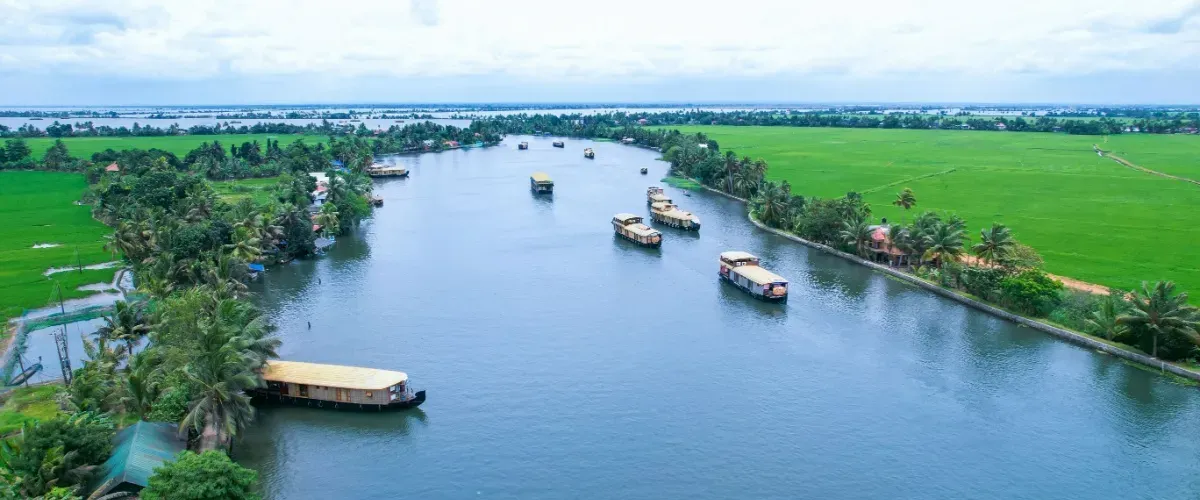
- Nature at its Best: The natural beauty of Kerala is at its peak during winter. The hill stations of Munnar and Wayanad offer breathtaking views of tea plantations and misty landscapes. The backwaters of Alleppey and Kumarakom are perfect for serene houseboat cruises, providing a tranquil escape into nature.
- Affordable Travel Options: Summer in Kerala may be warm, with temperatures soaring up to 38°C, but it presents an excellent opportunity for budget-conscious travelers. With fewer tourists around, accommodations and travel packages are often available at discounted rates, making it a cost-effective time to visit.
- Less Crowded Attractions: Popular tourist spots are less crowded during the summer months, providing a more intimate and personalized experience. Travelers can enjoy exploring iconic sites and attractions without the hustle and bustle of peak season crowds.
- Unique Cultural Experiences: Despite the heat, summer is a vibrant time in Kerala, marked by festivals such as Vishu, the Malayali New Year. This festival is celebrated with great enthusiasm, featuring traditional feasts, rituals, and cultural performances that offer visitors a glimpse into the rich heritage of the region.
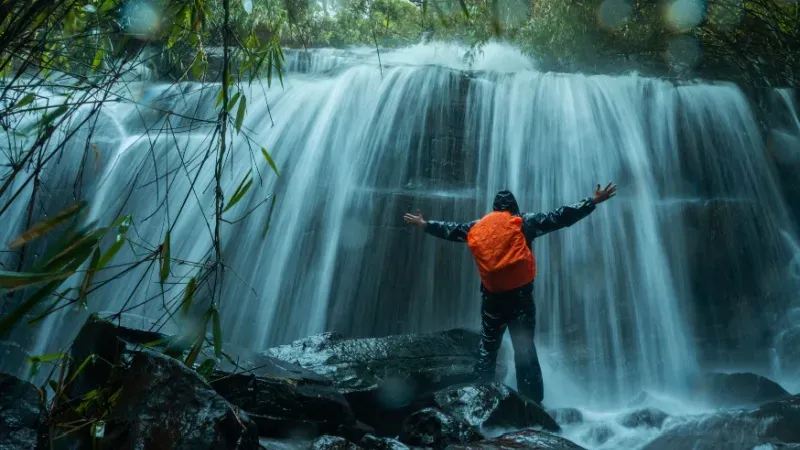
- A Green Paradise: The monsoon season transforms Kerala into a lush green paradise. The heavy rains rejuvenate the landscape, creating a picturesque setting for nature lovers and photographers. The vibrant greenery and waterfalls make for stunning photo opportunities.
- Ayurvedic Rejuvenation: Monsoon is considered the best time for Ayurvedic treatments, as the body is more receptive to therapeutic practices during this period. Travelers seeking wellness and rejuvenation can indulge in traditional Ayurvedic therapies amidst the soothing ambiance of the rain.
- Cultural and Festive Celebrations: The monsoon season is marked by unique cultural events such as the snake boat races and Onam celebrations. These events offer a fascinating insight into Kerala's traditions and are a must-see for visitors interested in experiencing the local culture.
Best Time to Visit Kerala
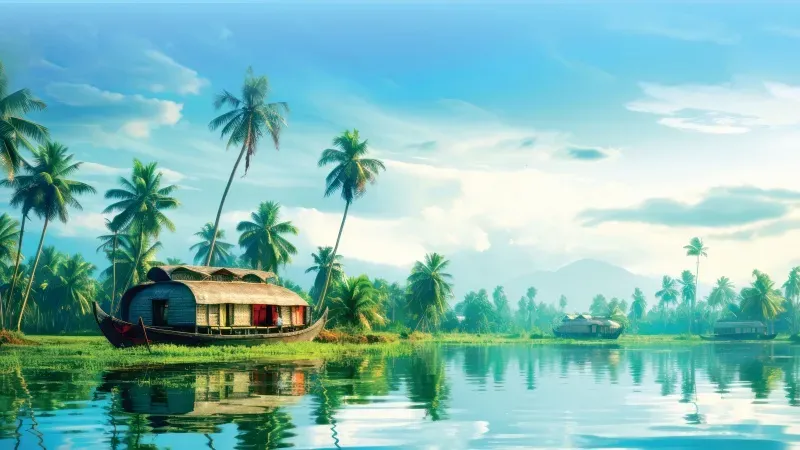
Winter: The Perfect Tourist Season
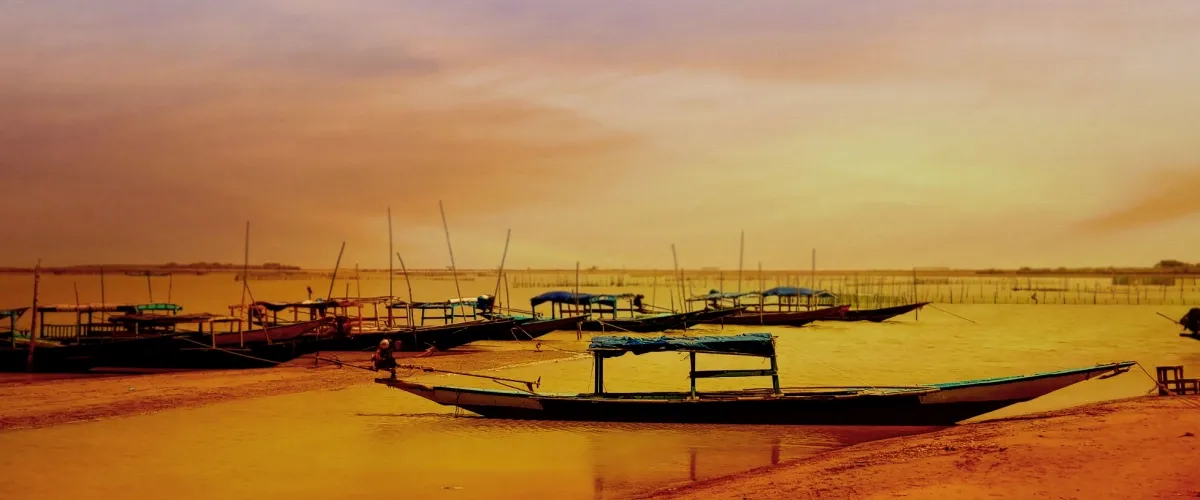
- Backwaters and Houseboats: Winter is the peak tourist season in Kerala, and the weather is perfect for exploring the tranquil backwaters of Alleppey and Kumarakom. Travelers can enjoy houseboat cruises, gliding through serene waters surrounded by lush landscapes.
- Exploring Hill Stations: The hill stations of Munnar and Wayanad are ideal destinations during winter. With their cool climate and breathtaking vistas, visitors can explore tea plantations, trek through scenic trails, and unwind amidst nature's beauty.
- Beach Bliss: Kerala's beaches, such as Kovalam and Varkala, are perfect for sunbathing and relaxation in winter. The pleasant weather ensures a comfortable experience, allowing travelers to soak in the sun without the oppressive heat.
Summer: A Time for Great Deals
- Intimate Experiences: Summer may not be the most comfortable time to visit Kerala due to the heat, but it offers a more intimate experience at tourist attractions. With fewer crowds, visitors can enjoy a peaceful and relaxed exploration of Kerala's wonders.
- Cost-Effective Travel: The off-peak season brings cheaper rates for hotels and travel packages. Budget travelers can take advantage of these deals to explore Kerala without straining their finances.
- Vibrant Festivities: Despite the heat, summer hosts vibrant celebrations like Vishu, the Malayali New Year. Travelers can participate in traditional rituals, enjoy festive meals, and experience the cultural richness of Kerala during this time.
Monsoon: For the Love of Rain
- A Photographer's Dream: The monsoon season brings life to Kerala's landscapes, making it a photographer's paradise. The lush greenery, dramatic skies, and flowing waterfalls create perfect opportunities for capturing stunning images.
- Wellness and Ayurveda: Monsoon is considered the ideal time for Ayurvedic treatments, as the body is more receptive to healing during this period. Visitors can indulge in rejuvenating therapies, enjoying the holistic benefits of Ayurveda amidst the soothing rains.
- Cultural Immersion: The monsoon season is celebrated with unique cultural events such as snake boat races and Onam, a major harvest festival. These festivities offer a glimpse into Kerala's rich traditions and are a must-see for cultural enthusiasts.
Suggested Read: Top Things to Do in Kerala: Delight In God’s Own State
Visiting Kerala in Specific Months
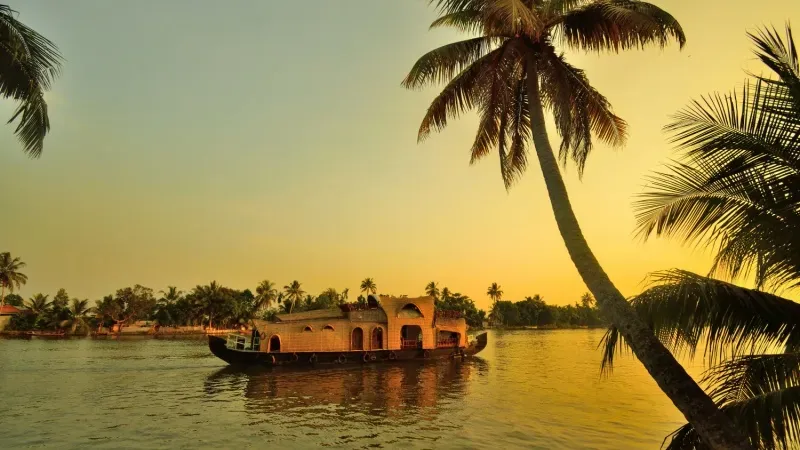
May: Can We Visit Kerala?
- Planning Around the Heat: May is the peak of summer in Kerala, characterized by high temperatures and humidity. Travelers can plan their activities in the early morning or late afternoon to avoid the intense heat and make the most of their trip.
- Budget-Friendly Travel: May offers great opportunities for budget travelers, with discounted rates on accommodations and travel packages. Those willing to brave the heat can enjoy a cost-effective vacation in Kerala.
- Cultural Experiences: Despite the warmth, May is an excellent time to experience Kerala's cultural richness. Visitors can participate in local festivals, enjoy traditional cuisine, and immerse themselves in the vibrant atmosphere of the region.
June and July: Embrace the Monsoon
- Nature's Rejuvenation: The monsoon begins in June, bringing heavy rains that rejuvenate the landscape. While beach activities may be limited, travelers can enjoy the lush greenery and explore the state's natural beauty in full bloom.
- Ayurvedic Retreats: June and July are ideal months for Ayurvedic treatments, as the weather is considered perfect for therapeutic practices. Visitors can indulge in wellness retreats, benefiting from the holistic healing offered by Ayurveda.
- Cultural and Festive Events: The monsoon season is marked by cultural events such as snake boat races and Onam celebrations. These festivities provide a unique insight into Kerala's traditions and are a highlight for cultural enthusiasts.
Suggested Read: Shopping In Kerala, India: Mentor To Shop In God’s Own City
October to February: Ideal Time
- Comfortable Weather: October to February is the ideal time to visit Kerala, with comfortable weather perfect for exploring the state's diverse attractions. Travelers can enjoy sightseeing, outdoor activities, and cultural experiences without weather-related inconveniences.
- Access to Major Attractions: During these months, all major tourist attractions are accessible, allowing visitors to explore Kerala's beaches, backwaters, hill stations, and cultural landmarks at their leisure.
- Festive Celebrations: This period is also rich in festive celebrations, including Christmas and New Year events. Travelers can partake in local festivities, enjoy cultural performances, and experience the vibrant spirit of Kerala during this time.
Tips for Traveling in Kerala
- Plan Ahead: Depending on the season, some activities might require advance booking, especially during the winter. Planning ahead ensures a smooth travel experience and access to popular attractions.
- Pack Accordingly: Travelers should pack light cotton clothes for summer and rain gear for the monsoon. Comfortable clothing enhances the travel experience, allowing visitors to enjoy their trip without discomfort.
- Stay Hydrated: In the summer, ensure you drink plenty of water to stay hydrated. Proper hydration is essential for maintaining energy levels and enjoying the trip without health issues.
- Respect Local Culture: Kerala is rich in cultural traditions, so be respectful of local customs and practices. Understanding and respecting the local culture enhances the travel experience and fosters positive interactions with the community.
Conclusion
Kerala is a year-round destination, each season offering something unique. Whether you're drawn by the vibrant festivals, the serene backwaters, or the lush green landscapes during the monsoon, there's never a wrong time to explore Kerala's beauty. By understanding the climate and planning accordingly, you can tailor your trip to suit your preferences, ensuring a memorable experience. The diverse experiences Kerala offers throughout the year make it a truly enchanting destination, ready to welcome travelers seeking adventure, relaxation, and cultural immersion.