Italy is home to some of the most beautiful beaches in Europe. From the white sands of Sardinia to the colorful coastlines of Amalfi, every spot offers something unique. You can relax at quiet coves, swim in clear waters, or enjoy lively beach towns filled with great food and local culture. Popular beaches like Cala Goloritzé, Spiaggia dei Conigli, and Positano Beach are perfect for travelers who love nature and stunning views. If you are looking for a peaceful escape or an enchanting holiday, the beaches in Italy are perfect choices. Ready to dive into paradise? Keep reading for our complete guide to hopping between the most spectacular beaches in Italy.
Top Beaches in Italy for Summer Vacation
1. Spiaggia dei Conigli (Rabbit Beach), Lampedusa, Sicily
%2C%20Lampedusa%2C%20Sicily.webp)
Often voted among the world’s best beaches, Spiaggia dei Conigli is a slice of paradise. Located in a protected marine reserve off the coast of Sicily, its shallow, impossibly clear turquoise water feels more Caribbean than Mediterranean. The beach is a vital nesting site for loggerhead sea turtles, a testament to its pristine condition. The vibe is tranquil and unspoiled, perfect for swimming, snorkeling, and simply marveling at the scenery. Reaching it requires a short, rocky walk, worth visiting the most beautiful coastal spots in Italy.
Best Time to Visit: May to September
Pro Tips: The number of visitors is capped, so book your free access online in advance, especially in summer. Bring water and snacks, as facilities are minimal to preserve the natural environment.
2. Cala Goloritzé, Sardinia
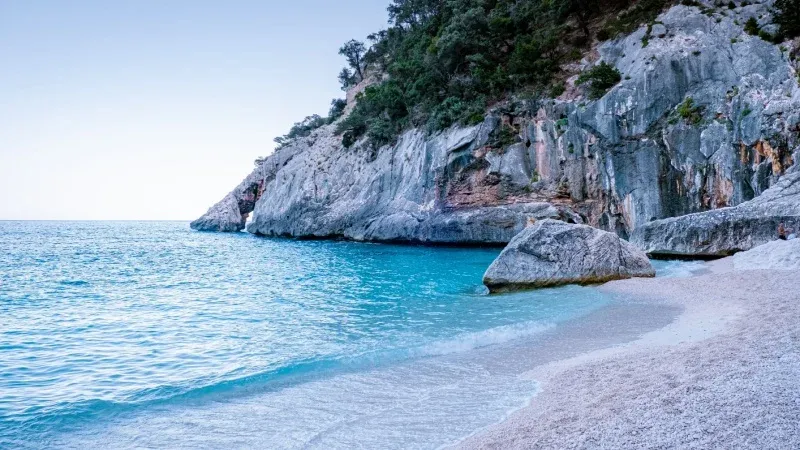
A true national treasure, Cala Goloritzé is a UNESCO World Heritage Site famed for its dramatic beauty. Known for its bright turquoise water and soft white pebbles, this small cove is surrounded by dramatic limestone cliffs. The beach is not accessible by car so you have to hike a scenic trail for about an hour or arrive by boat from nearby towns. Swimming, snorkeling, and simply relaxing on the shore are the main activities here, thanks to its calm and clear waters. Cala Goloritzé is perfect for travelers looking for a peaceful, natural escape.
Best Time to Visit: June or September for pleasant weather and lesser crowd
Pro Tips: Access is either via a challenging 1.5-hour hike (sturdy shoes required) or by boat from nearby Cala Gonone or Santa Maria Navarrese. No services are on the beach, so pack accordingly.
Suggested Read: Best Places To Visit In Italy For A Breathtaking Vacation
3. Positano, Amalfi Coast
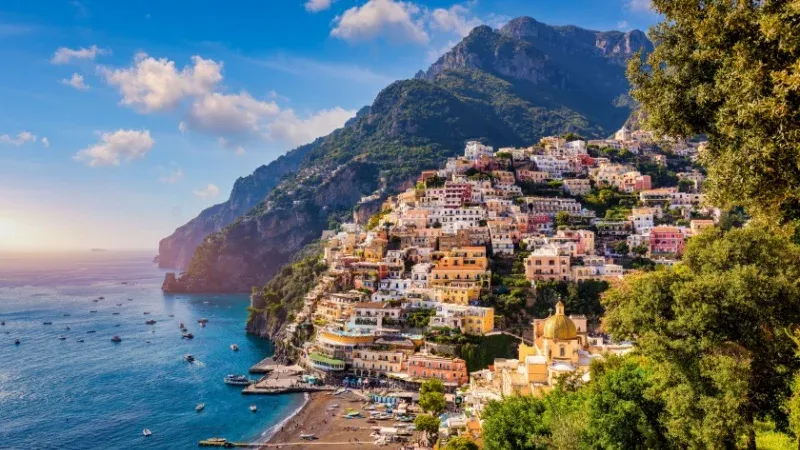
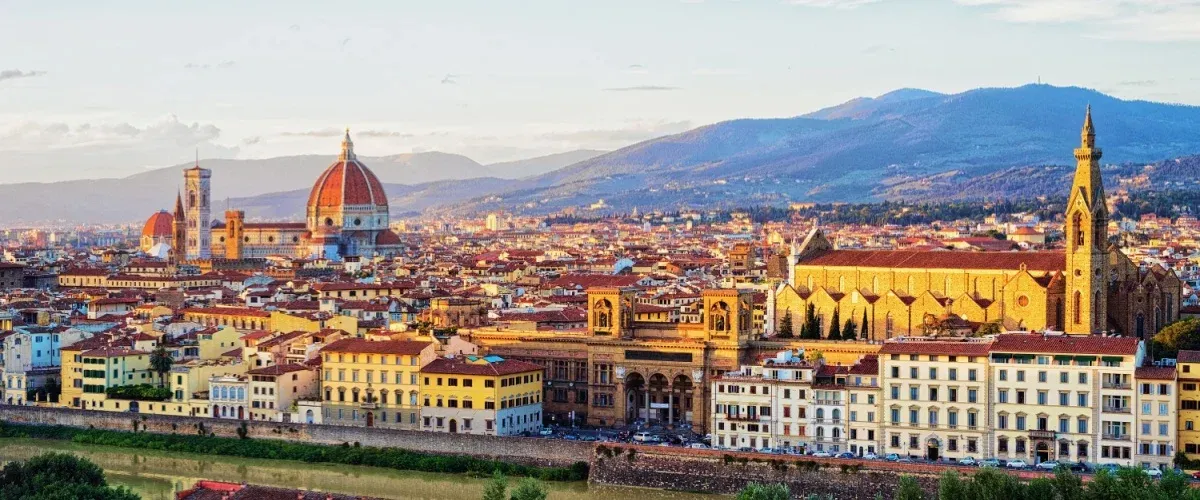
Positano, on Italy’s Amalfi Coast, is a dream destination for beach lovers. Its colorful cliffside houses and narrow streets create a postcard-perfect setting. The main beach, Spiaggia Grande, is ideal for relaxing under the sun or taking a dip in the clear waters. You can explore the smaller Fornillo Beach for a quieter vibe. The town also offers boat tours to nearby coves and islands. With its mix of natural beauty and vibrant local life, Positano is a must-visit spot for anyone exploring the beaches in Italy.
Best Time to Visit: May to September
Pro Tips: Reserve a spot at a lido in advance. For a quieter experience, walk over to the nearby Fornillo beach, just a 10-minute stroll away.
4. Tropea Beach, Calabria
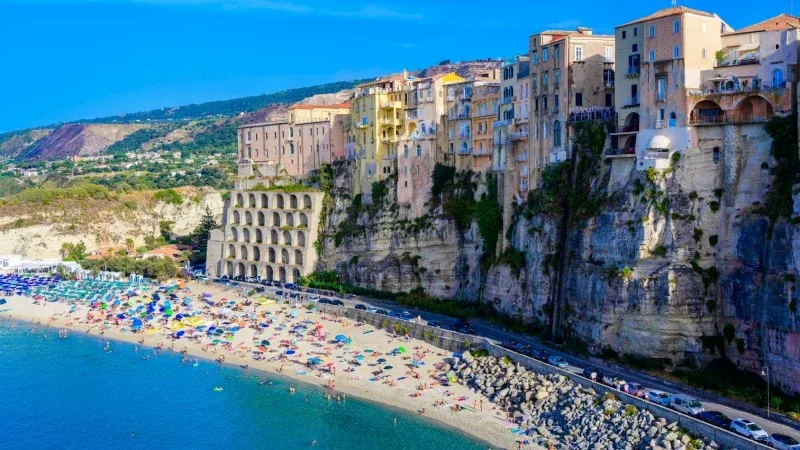
Tropea Beach in Calabria is one of Italy’s most stunning coastal spots. The beach is famous for its soft white sand and clear, turquoise waters. Towering cliffs rise dramatically behind the shoreline, giving it a picture-perfect backdrop. You can relax under the sun, swim in the calm sea, or enjoy fresh seafood at nearby restaurants. The charming town of Tropea, perched above the beach, adds cultural and historic interest to the visit. Accessible by train or car, it’s ideal for a day trip or a longer stay. Tropea Beach combines natural beauty, local flavor, and a relaxed Mediterranean vibe, making it a must-visit for anyone exploring southern Italy.
Best Time to Visit: June to early September.
Pro Tips: Climb the steps to the sanctuary for breathtaking panoramic views of the coastline. The town of Tropea offers fantastic restaurants just a short walk from the beach.
Suggested Read: Top Things To Do In Italy For A Kickass Experience
5. Scala dei Turchi (Stair of the Turks), Sicily
%2C%20Sicily.webp)
Not a traditional sandy beach, Scala dei Turchi is a geological marvel. This dazzling white marl cliff on the coast of southern Sicily has been eroded by the elements into a giant, smooth staircase leading down to the sea. You can sunbathe on the smooth rock terraces and swim in the deep blue water below. The contrast between the white cliffs and the blue sea is incredibly photogenic, especially at sunset. It’s a unique coastal spot for adventurous travelers seeking otherworldly landscapes.
Best Time to Visit: April-June or September-October for the best light and fewer visitors.
Pro Tips: The rock can be slippery, so wear appropriate footwear. Access has been restricted at times to protect the fragile cliff, so check local regulations before visiting.
6. Cala Mariolu, Sardinia
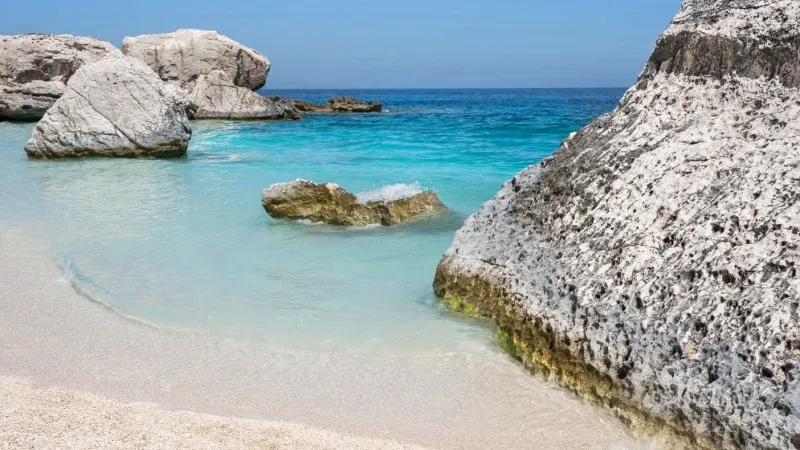
Another gem on Sardinia’s Gulf of Orosei, Cala Mariolu is famous for its stunning water clarity and abundant marine life, making it a top spot for snorkeling in Italy. The beach is a mixture of fine sand and smooth, pinkish-white pebbles that resemble confetti. Its name is said to come from a monk seal ("mariolu" or "thief" in the local dialect) that used to steal fish from local fishermen. Sheltered by cliffs, the water is calm and perfect for swimming.
Best Time to Visit: Late May, June, or September.
Pro Tips: Accessible primarily by boat from Cala Gonone, Arbatax, or Santa Maria Navarrese. Book a tour that includes a stop here.
Suggested Read: Islands In Italy: Most Beautiful Italian Coastlines You Can Explore
7. La Pelosa, Sardinia
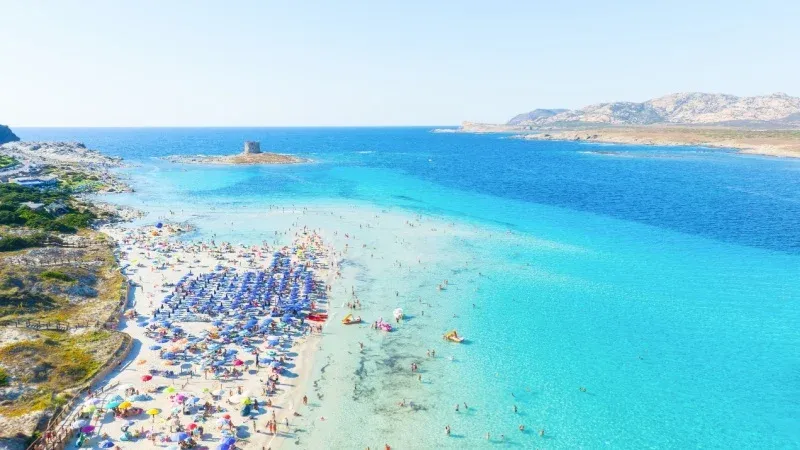
With its fine white sand and shallow, turquoise waters that stretch for meters, La Pelosa is often compared to a tropical lagoon. Located on the northwestern tip of Sardinia, it offers stunning views of the Isola Piana and a 16th-century Aragonese watchtower. The incredibly calm and shallow sea makes it a perfect beach for families with kids. The area is protected, ensuring the water remains pristine. It’s one of the most famous beaches in Italy for a reason.
Best Time to Visit: June to September
Pro Tips: Access is ticketed and limited to a set number of people per day. You must book your spot online well in advance and are required to use a mat under your towel to protect the sand.
8. Polignano a Mare, Puglia
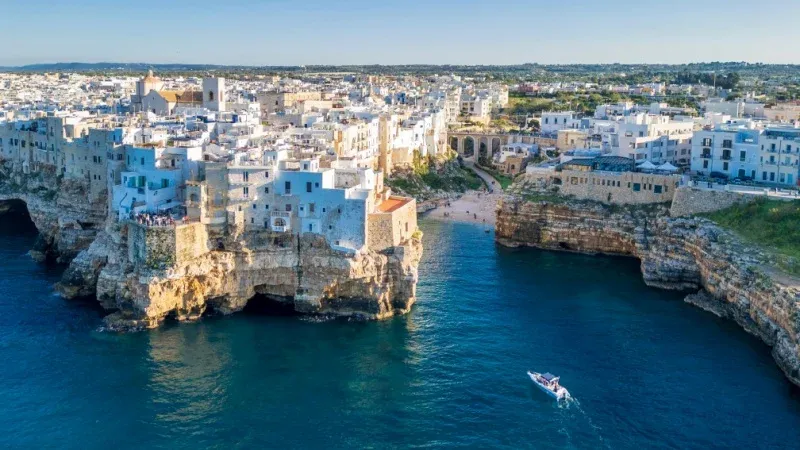
Polignano a Mare in Puglia is a stunning coastal town perched on cliffs above the Adriatic Sea. Its beaches, like Lama Monachile, are small but picturesque, framed by dramatic cliffs and clear blue waters. You can swim in secluded coves, sunbathe on pebbled shores, or explore the charming old town with its narrow streets and whitewashed houses. The town is also famous for cliff diving, attracting thrill-seekers from around the world. With seaside cafes, fresh seafood restaurants, and breathtaking sunset views, Polignano a Mare offers a perfect mix of relaxation, adventure, and Italian charm.
Best Time to Visit: May to September
Pro Tips: Arrive early to claim a spot. After a swim, explore the historic town’s winding streets and enjoy a gelato with a view.
How to Make the Most of Your Beach Day in Italy
- Book Ahead: For popular beaches with lidos (beach clubs), reserve your sunbed and umbrella online, especially in July and August.
- Arrive Early or Late: To secure a good spot on a free public beach (spiaggia libera) and find parking, aim to arrive before 10 AM or after 4 PM.
- Pack Water Shoes: Many of Italy’s most beautiful beaches are pebbly (ciottoli). A pair of rubber-soled water shoes will make your walk to the water much more comfortable.
- Stay Sun-Safe: The Mediterranean sun is strong. Pack high-SPF sunscreen, a wide-brimmed hat, and sunglasses. A reusable water bottle is essential to stay hydrated.
- Follow the Rules: Pay attention to signs indicating protected marine areas or local regulations, such as rules about bringing your own umbrella or placing towels directly on the sand in protected zones like La Pelosa.
- Embrace Public Transport: On the Amalfi Coast and in Liguria, use ferries to beach-hop. It’s often faster and much more scenic than driving and trying to find parking.
Final Thoughts
Italy is, without a doubt, a paradise for anyone who loves the sea. Beaches in Italy offer a remarkable diversity that caters to every desire. You can find sprawling sandy shores perfect for family holidays, secluded coves ideal for a romantic honeymoon escape, and unique geological wonders for adventurous solo travelers and backpackers. The blend of stunning nature, rich history, and vibrant culture makes the beaches in Italy a truly world-class experience. For a wellness seeker or a thrill-seeker, the Italian coast has a perfect spot waiting for you. Ready to experience the slice of Italian heaven? Start planning your 2025 beach getaway with Myholidays and book an Italy tour packages right away.
Beaches in Italy - FAQ’s
The best time to enjoy Italy's beaches is typically from late May to June or in September. During these months, the weather is warm and sunny, the water is pleasant for swimming, and the crowds are smaller than in the peak season of July and August.
Italy has a mix of free public beaches (spiaggia libera) and private beach clubs (stabilimenti balneari or lidos) where you pay for facilities like sunbeds, umbrellas, and restaurants. Most coastlines offer both options side-by-side.
For families, beaches like La Pelosa in Sardinia with its shallow, calm water, and Tropea Beach in Calabria with its soft sand and spacious feel are excellent choices. Many beaches in the Emilia-Romagna region are also known for their family-oriented facilities.
Yes, it is generally very safe. Popular beaches often have lifeguards on duty during the summer season. Always pay attention to the flag system: a red flag means it's dangerous to swim, yellow means caution, and blue or white indicates calm conditions.
Essential items include high-SPF sunscreen, a hat, sunglasses, a reusable water bottle, and a beach towel. For the many pebbly beaches in Italy, packing a pair of water shoes is highly recommended for comfort.
Many of the most pristine beaches, especially in Sardinia and along the Amalfi Coast, are best reached by boat. You can join a group tour or hire a private boat (gommone) for the day to explore hidden coves. Others, like Cala Goloritzé, require a hike.
Paid lidos always have excellent facilities, including restrooms, showers, changing cabins, and cafes. Free public beaches rarely have dedicated facilities, but there is often a nearby bar or cafe where you can use the restroom if you buy something.
Absolutely. The coves around the Gulf of Orosei in Sardinia, such as Cala Mariolu, are famous for snorkeling. The protected marine areas around Lampedusa and the rocky coastlines of Liguria and Capri also offer clear water and abundant marine life.