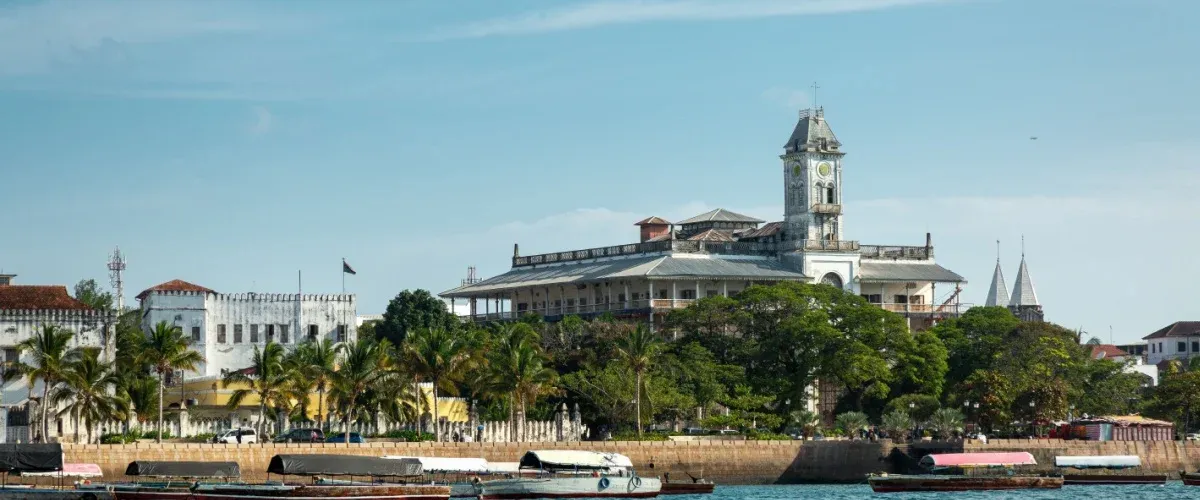
When we talk about Tanzania, what comes to our minds is thrilling wildlife safaris and breathtaking landscapes. But beyond its natural wonders lies a rich tapestry of history, culture, and heritage waiting to be discovered. It's the museums in Tanzania where you can gain a fascinating glimpse into the diverse stories that have shaped the identity of the nation. Housing ancient fossils, tribal traditions, colonial legacies and post-independence journeys, each museum allows you to connect deeper with the soul of this East African nation. Read this blog to discover where to find the best historical and cultural experiences in Tanzania...
Explore These 8 Museums in Tanzania for an Unforgettable Experience
Given below is the list of the most iconic museums in Tanzania that house riches you won’t find anywhere else:
1. National Museum of Tanzania
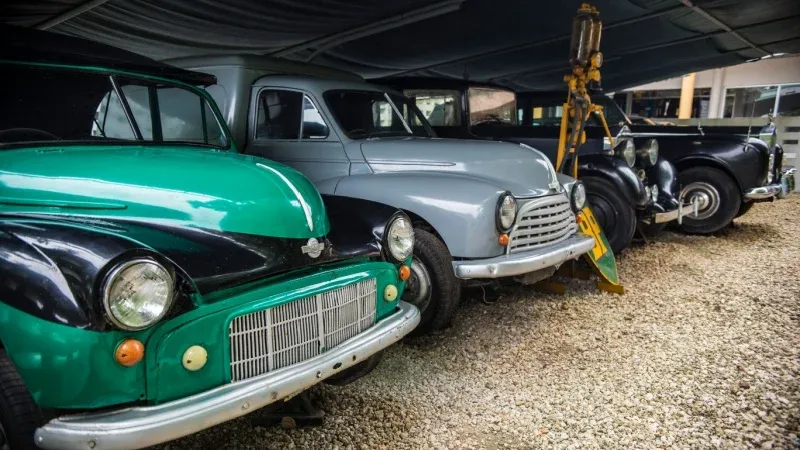
Located in the heart of Dar es Salaam, the National Museum of Tanzania is the largest and most significant museum in the country. Established in 1934, the museum offers a comprehensive insight into Tanzania’s past, from prehistoric discoveries to the struggle for independence. The museum holds more than 100,000 objects, including fossils, artifacts, and exhibits across six rooms, namely Art, Archaeology, Biology, Ethnography, History and Paleontology. Here, you will see the famous Zinjanthropus skull discovered by Dr. Leakey, ethnographic displays of tribal heritage, and insights into the colonial and post-colonial eras. It also has a collection of vintage cars, including the Rolls-Royce used by former President Julius Nyerere.
Visiting Hours: 9:30 AM to 6 PM, Daily
Best Time to Visit: June to October
Ticket Price Range: Approximately USD 5 to USD 10 for foreign visitors
2. Makumbusho ya Taifa Village Museum
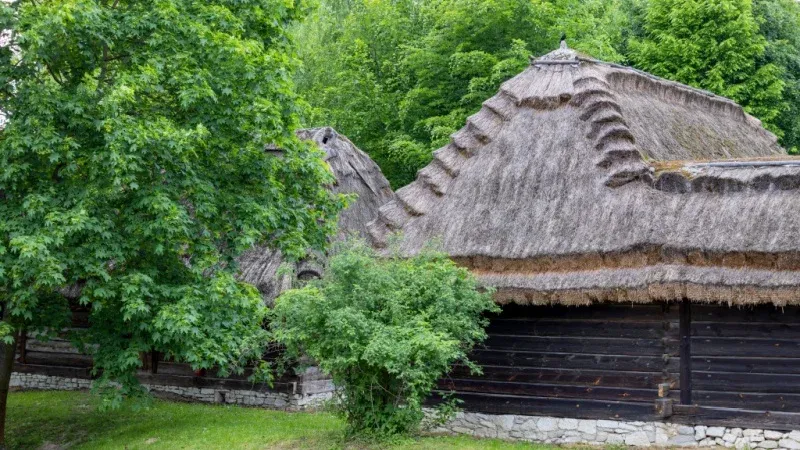
Commonly known as the Village Museum, Makumbusho ya Taifa Village Museum is an open-air venue in Dar es Salaam that shows cultural heritage of different Tanzanian tribes. Established in 1967, the museum features 30 traditional houses of 16 ethnic groups of Tanzania built in the same way they used to be earlier. Visitors can stroll through the gardens, learn about local customs, see tools and other artifacts, and watch traditional dance and music performances. Moreover, there are open curio shops that sell handicrafts and a restaurant serving traditional food and drinks.
Visiting Hours: 9:30 AM to 6 PM, Daily
Best Time to Visit: June to October
Ticket Price Range: Around USD 5 to USD 10 for non-residents
Tips for Visiting Village Museum:
- Visit in the late afternoon to enjoy cultural performances
- Wear comfortable walking shoes for easy exploration
Suggested Read: Things to Do in Tanzania: Experience the Wild Beauty of Africa
3. Olduvai Gorge Museum
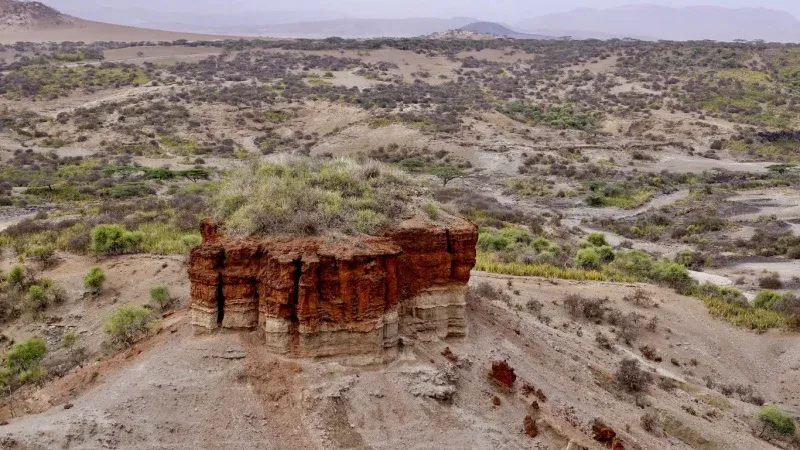
For anyone interested in human evolution, Olduvai Gorge Museum is an essential stop. Located within Ngorongoro Conservation Area, the museum overlooks the gorge where countless fossils and stone tools from millions of years ago were unearthed. Founded in 1970, this site is where Mary and Louis Leakey made some of the most important paleoanthropological discoveries in history. The exhibits explain the significance of the findings, including the famous hominid fossils. The main highlight of the museum is the Laetoli footprints, which have been preserved for over 3.6 million years.
Visiting Hours: 8 AM to 5 PM, Daily
Best Time to Visit: June to October
Ticket Price Range: Access is included in the Ngorongoro Conservation Area entry fees
Tips for Visiting Olduvai Gorge Museum:
- Combine your visit with a tour of the Ngorongoro Crater
- The road in the conservation area can be bumpy, so travel via a 4x4 vehicle
4. The People's Palace Museum
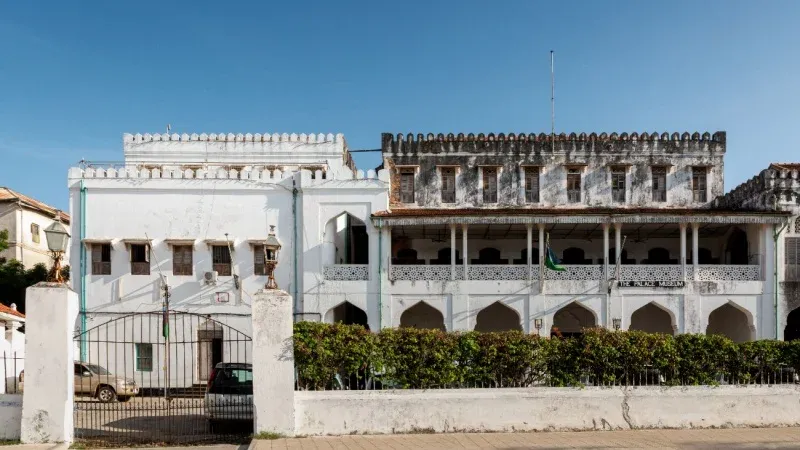
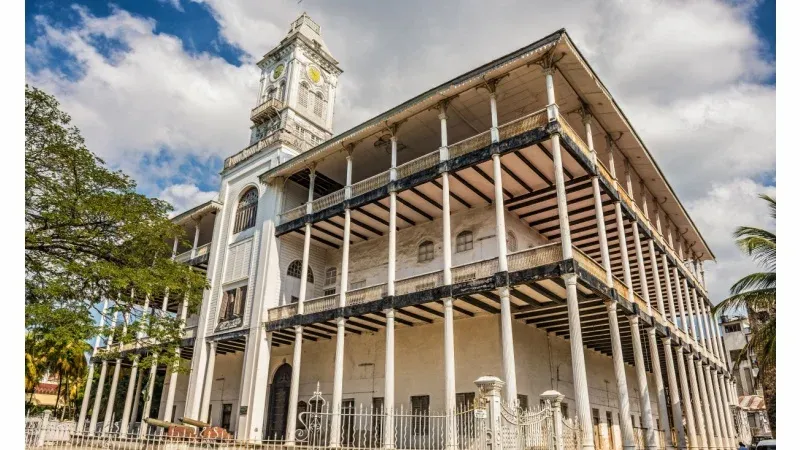
Situated in Stone Town, the People's Palace Museum was the former residence of the Sultan of Zanzibar from 1911 to 1964. Also known as Beit al-Sahel, the museum offers a fascinating glimpse into the lives of the royal family during the 19th century. In 1994, it was converted into a museum and has furniture, portraits, and personal items belonging to the sultans on display across three floors. While modest compared to European palaces, it tells a compelling story of a bygone era of trade, power, and cultural fusion on the Swahili coast. One of the most significant exhibits here is dedicated to Princess Salme, a daughter of the Sultan who eloped with a German merchant.
Visiting Hours: 10 AM to 5 PM, Daily
Best Time to Visit: June to October, January to February
Ticket Price Range: Approximately USD 3 to USD 5
Tips for Visiting People's Palace Museum:
- Hire a guide at the entrance for rich storytelling and historical context
- Plan a visit of about an hour as the museum is small and can be explored
Suggested Read: Iconic Parks and Reserves for an Epic Safari in Tanzania
5. Freddie Mercury Museum
Freddie Mercury Museum is another must-visit museum located in Stone Town. Opened in 2019, it is the first-ever museum dedicated to the legendary Queen frontman, Freddie Mercury, who was born as Farrokh Bulsara in Zanzibar. It is located in the same house where he and his family lived until the late 20th century. It chronicles his early life in Zanzibar and his journey to becoming one of the greatest rock stars in history. The walls are decorated with photographs, handwritten notes, and official memorabilia. While small in size, it is a deeply personal and moving tribute. It’s an essential stop for music fans and anyone curious about the origins of this global icon, offering a unique blend of pop culture and local history.
Visiting Hours: 10 AM to 6 PM, Daily
Best Time to Visit: June to October, January to February
Ticket Price Range: USD 10 for adults and USD 5 for children
Tips for Visiting Freddie Mercury Museum:
- The museum can get crowded, so visiting on a weekday morning is ideal
- Combine visit with other attractions to cover in a Stone Town walking tour
6. Arusha Declaration Museum
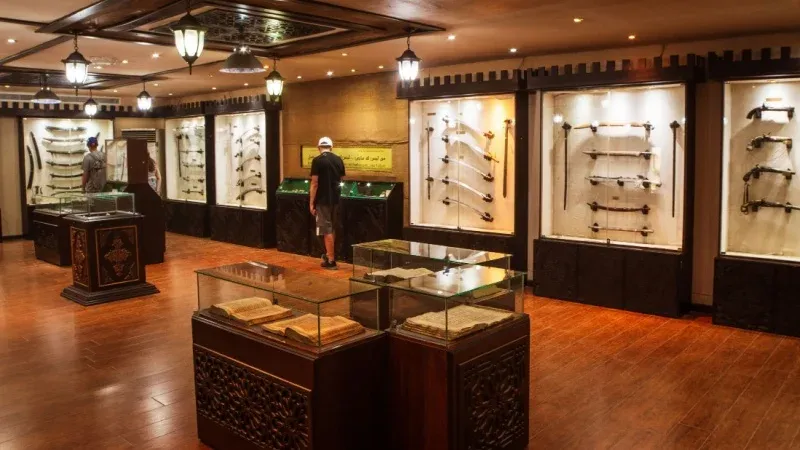
Established in 1977, Arusha Declaration Museum is a significant cultural landmark that provides a deep dive into the political history of Tanzania. It specifically honors the Arusha Declaration of 1967 by President Julius Nyerere, which outlined the principles of Ujamaa (African socialism). The photos and exhibits at the museum document the nation’s journey towards self-reliance and the social and economic transformation that followed. It is housed in a historic welfare hall in the heart of Arusha city, where the declaration was debated and signed. This museum is a must-visit for students, academics, and travelers interested in understanding the political foundations of modern Tanzania.
Visiting Hours: 9 AM to 5 PM, Daily
Best Time to Visit: June to October, January to February
Ticket Price Range: USD 3 to USD 5
Tips for Visiting Arusha Declaration Museum:
- Since it has limited hours, plan your visit for a weekday
- It’s a text-heavy museum, so allocate enough time for reading
Suggested Read: Must-Visit Museums in Kenya for Deep Cultural Insights
7. Iringa Boma - Regional Museum and Cultural Centre
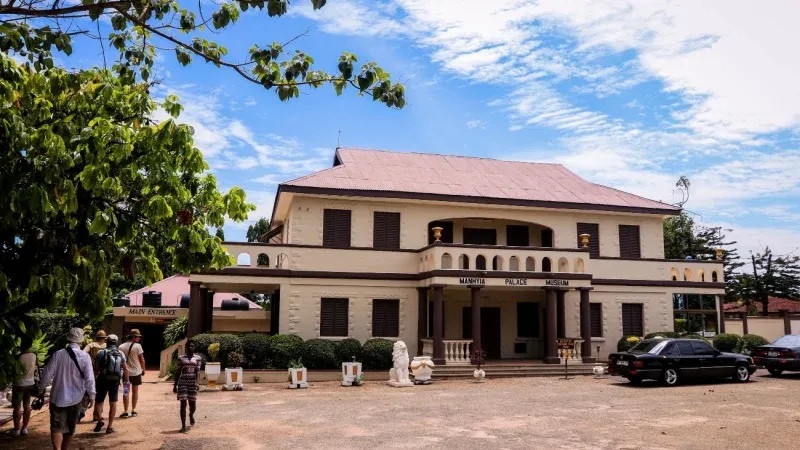
Housed in a beautiful German colonial building from 1914, the Iringa Boma - Regional Museum and Cultural Centre is a cultural institution in the Southern Highlands of Tanzania. Originally built as a military hospital, the building served as a regional administrative center and district administration office before converting into a museum in 2016. The museum focuses on the history and heritage of the local tribes in the Iringa region, particularly the Hehe people and their leader, Chief Mkwawa. Its collection of exhibits comprises traditional crafts, historic photographs, and artifacts from the German-Hehe wars.
Visiting Hours: 8:30 AM to 5 PM, Daily
Best Time to Visit: June to October
Ticket Price Range: USD 5 to USD 10
Tips for Visiting Iringa Boma - Regional Museum and Cultural Centre:
- Check their schedule for cultural events or workshops
- The staff are very friendly and offer great insights
8. Bujora Cultural Centre and Sukuma Museum
Barely 13 kilometers from Mwanza city center, Bijora Cultural Centre and Sukuma Museum is one of the most iconic community-based museums in Tanzania. Located near Lake Victoria, the museum is dedicated to preserving the culture of the Sukuma, the largest ethnic group in Tanzania. It showcases traditional dwellings of Sukuma people and a collection of artifacts, utensils, weapons and tools used by them. The Royal Drum Pavilion is a major highlight of the musuem, a large drum demonstration area built in the form of a stool. Visitors can walk around, learn about the tribe, even see the traditional ‘Snake Dance’ where dancers perform with massive pythons.
Visiting Hours: 9 AM to 5 PM, Daily
Best Time to Visit: June to October
Ticket Price Range: USD 10
Tips for Visiting Bujora Cultural Centre and Sukuma Museum:
- Inquire about dance performance schedules in advance to not miss watching them
- Bring cash (Tanzanian shillings) for entrance fee and donations
Suggested Read: Visit the Best Museums in Dubai and Explore the City's Heritage
Tanzania is truly a paradise for lovers of culture and history. The outstanding collection of museums in Tanzania offers profound insights into the story of humanity, the richness of African traditions, and the making of a modern nation. To experience this cultural odyssey for yourself, plan your trip with exclusively crafted Tanzania tour packages from Myholidays that cater to diverse travel interests. Book now and get ready for an ultimate adventure that is both thrilling and deeply enriching!
FAQ’s - Museums in Tanzania
National Museum of Tanzania in Dar es Salaam is the most famous and comprehensive museum in the country, housing an extensive collection of exhibits on everything from paleontology to modern history.
No, most museums in Tanzania are very affordable. Ticket prices for foreign visitors typically range from USD 3 to USD 10, making them accessible for travelers of all budgets.
The Olduvai Gorge Museum, located in the Ngorongoro Conservation Area, is a popular institution dedicated to the paleontological discoveries of early hominids in Tanzania. It is famously known as the "Cradle of Humankind".
Yes, Tanzania has several museums that preserve its rich art culture. The Cultural Heritage Centre in Arusha is the premier destination for African art, featuring a vast collection of paintings, sculptures, and precious stones.
Yes, Zanzibar is excellent for history lovers, especially its Stone Town. Recognized as a UNESCO World Heritage Site, the neighborhood is home to several historical sites like the Palace Museum and the Freddie Mercury Museum that highlight its unique history as a sultanate and trading hub.
Museums in Tanzania showcase a wide range of exhibits including traditional artifacts, historical documents, fossils (like those from Olduvai Gorge), and wildlife displays. Many venues also offer outdoor exhibits and cultural performances.
Yes, many museums in Tanzania are family friendly. Places like the Village Museum in Dar es Salaam often have live cultural dances and open spaces where children can learn and play. Some museums also offer educational programs for kids.
Yes, most major museums in Tanzania offer guided tours either through scheduled programs or on request. Guides provide deeper insights into the exhibits, especially at places like Olduvai Gorge Museum and the National Museum in Dar es Salaam.
.jpg)