Tanzania is a country full of amazing sights and unique experiences. From the vast plains of the Serengeti where millions of wildebeest migrate, to the towering peak of Mount Kilimanjaro, Africa’s highest mountain, it offers adventures for every traveler. You can explore lush national parks, meet diverse local cultures, and relax on beautiful beaches along the Indian Ocean. Whether you want to see wild animals on safari, hike mountains, or enjoy crystal-clear waters, Tanzania has something special to offer. It’s a perfect destination for nature lovers and adventure seekers alike. Get ready to discover some of the best things to do in Tanzania and create memories you will never forget.
15 Unforgettable Things to do in Tanzania
1. Witness the Great Migration in the Serengeti
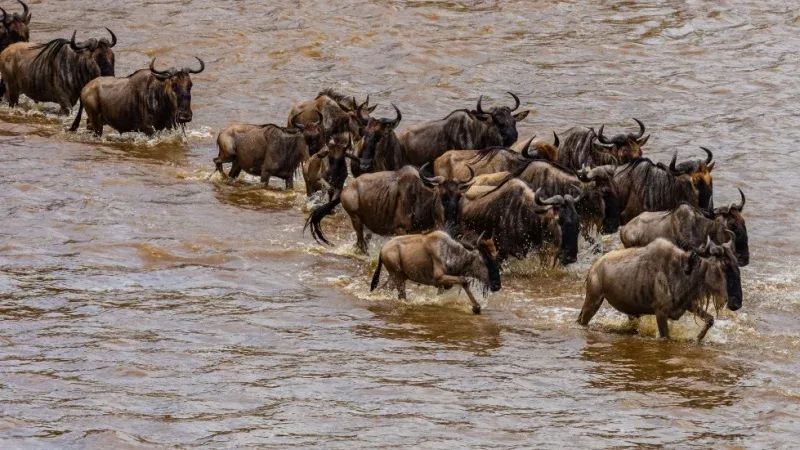
Witnessing the Great Migration in the Serengeti is one of the most spectacular wildlife events in the world. Every year, millions of wildebeest, zebras, and gazelles travel across the vast plains in search of fresh grazing and water. This massive movement creates thrilling scenes of animals crossing rivers, avoiding predators, and moving as a huge herd. The best time to see the migration depends on the season, but it generally happens between June and October when the animals cross the Mara River. Watching this natural drama unfold is a must-do experience for any traveler visiting Tanzania. It offers incredible opportunities for photography, wildlife viewing, and understanding the raw power of nature.
Best Time to See the Migration: June and October
2. Climb Mount Kilimanjaro, the Roof of Africa
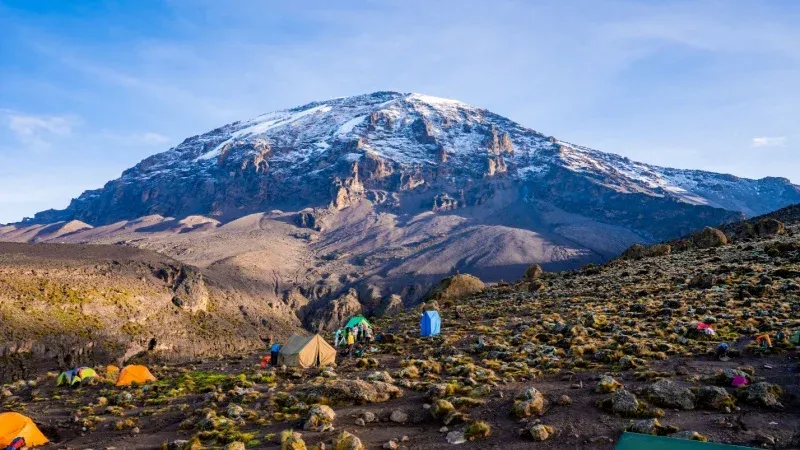
Standing at 5,895 meters (19,341 feet), Mount Kilimanjaro is the highest peak in Africa and the tallest freestanding mountain in the world. Reaching its summit, Uhuru Peak, is a monumental achievement that draws adventurers from all corners of the globe. The journey takes you through five distinct climate zones, from lush rainforests and alpine meadows to a barren, lunar-like landscape at the top. The feeling of watching the sunrise over the African continent from the summit is indescribable.
How to Choose Your Route: Several routes lead to the summit, each offering different scenery and difficulty levels. The Marangu route is known for its dormitory-style huts, while the Machame route is more scenic but challenging. Other popular options include the Lemosho and Rongai routes, which offer good acclimatization profiles.
Suggested Read: The Best Places To Visit In South Africa For An Astonishing Diversity
3. Explore the Ngorongoro Crater
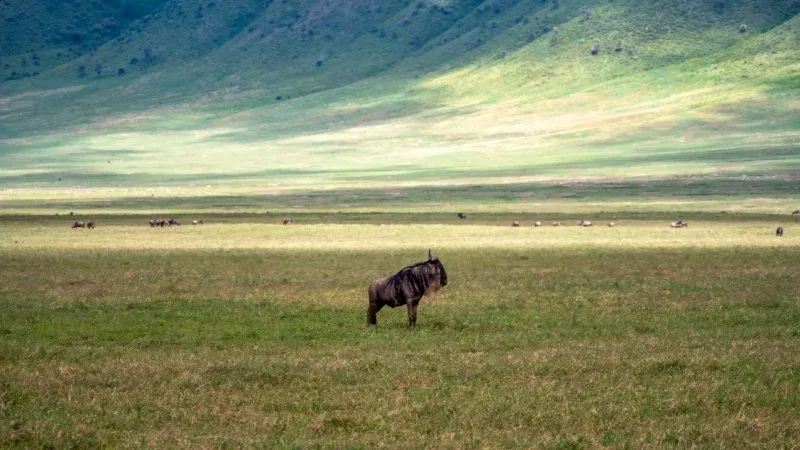
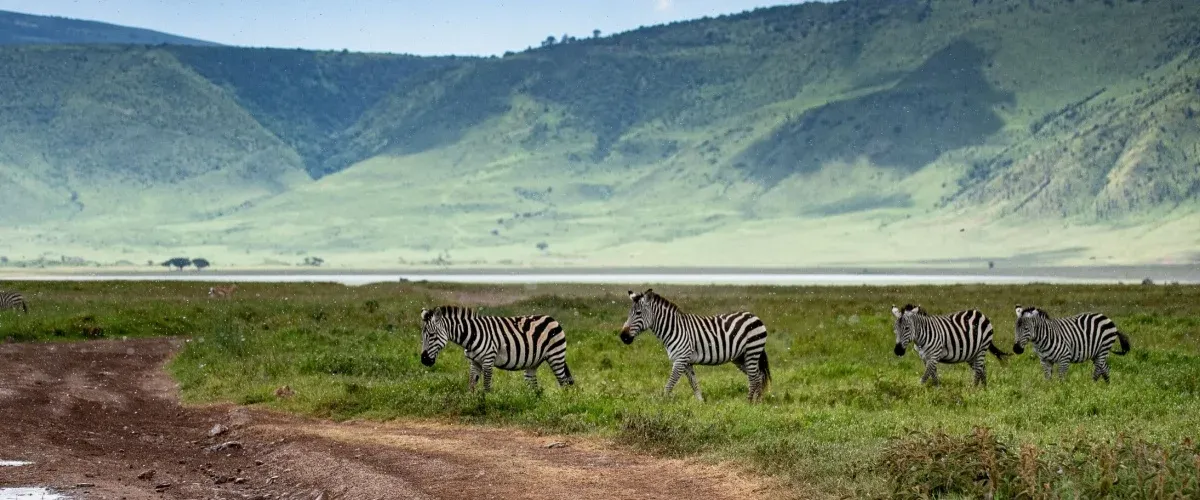
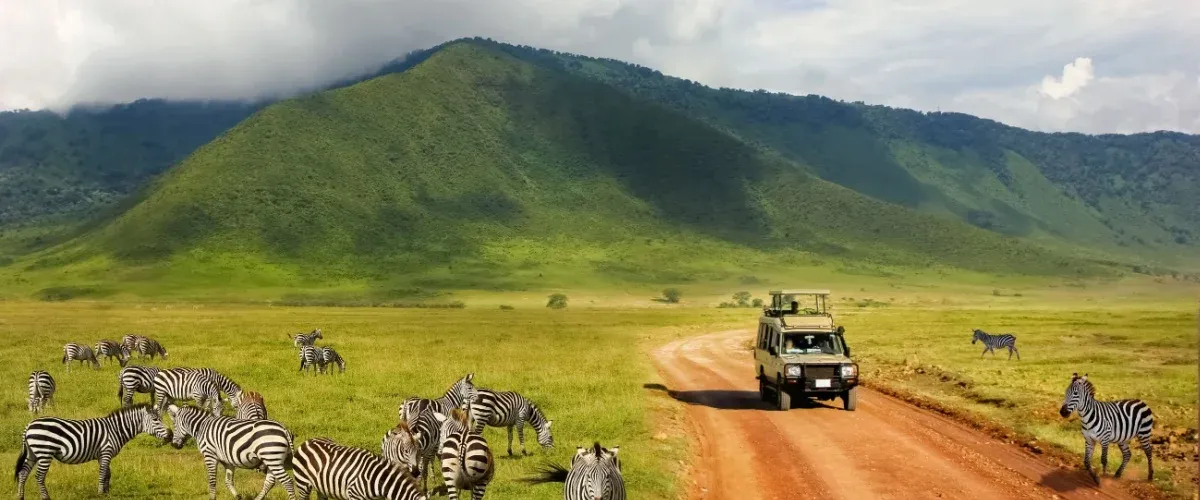
A UNESCO World Heritage Site, the Ngorongoro Crater is the world’s largest intact and unfilled volcanic caldera. It forms a natural enclosure that is home to an incredible density of wildlife, including the Big Five (lion, leopard, elephant, buffalo, and rhino). Descending into the 600-meter-deep crater feels like entering a lost world. You can see a huge variety of animals in a relatively small area, making it one of the most rewarding wildlife viewing destinations in Africa.
What to See Inside: Inside the crater, you will find grasslands, swamps, and a large soda lake. This diverse habitat supports a population of approximately 25,000 large animals. It is one of the best places in Tanzania to spot the critically endangered black rhino.
4. Relax on the Idyllic Beaches of Zanzibar
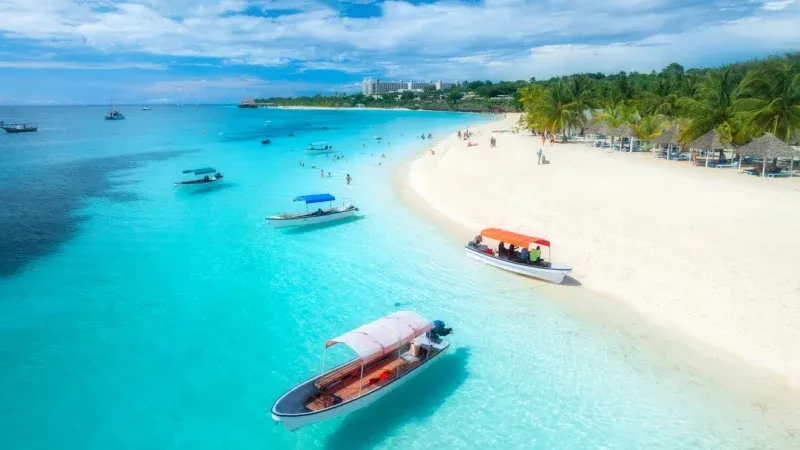
Just off the coast of mainland Tanzania lies the enchanting archipelago of Zanzibar. It is an island in the Indian Ocean known for its golden sand beaches, clear turquoise waters, and gentle sea breeze. Popular beaches like Nungwi and Kendwa offer calm waters ideal for swimming and snorkeling. You can also enjoy fresh seafood, beachside cafes, and stunning sunsets. The laid-back vibe and warm weather make Zanzibar a great spot for relaxation and water activities. Whether you want to sunbathe, swim, or take a boat trip to nearby islands, the beaches of Zanzibar provide a beautiful and peaceful escape.
Activities to do: Beyond relaxing on the sand, you can go snorkeling or diving around the vibrant coral reefs of Mnemba Atoll, try kitesurfing in Paje, or enjoy a sunset cruise on a traditional dhow boat.
Suggested Read: Best Honeymoon Places In Africa: Crafting Memories For A Lifetime
5. Discover the Historic Stone Town
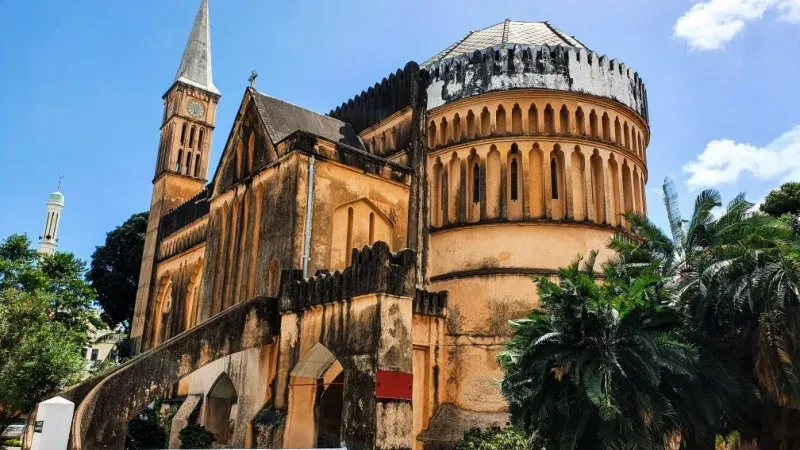
Stone Town is the historic heart of Zanzibar City and a UNESCO World Heritage site. It is known for its narrow winding streets, old coral stone buildings, and rich cultural history. You can explore ancient forts, bustling markets, and traditional Arab-style houses with carved wooden doors. Stone Town offers a unique glimpse into the island’s past with influences from African, Arab, Indian, and European cultures. You can visit museums, spice shops, and the famous House of Wonders.
Nearby Attraction: As evening approaches, head to the Forodhani Gardens to experience a lively open-air food market. You can try a range of local delicacies, including fresh seafood skewers, Zanzibar pizza, and freshly pressed sugarcane juice.
6. Go on a Spice Tour in Zanzibar
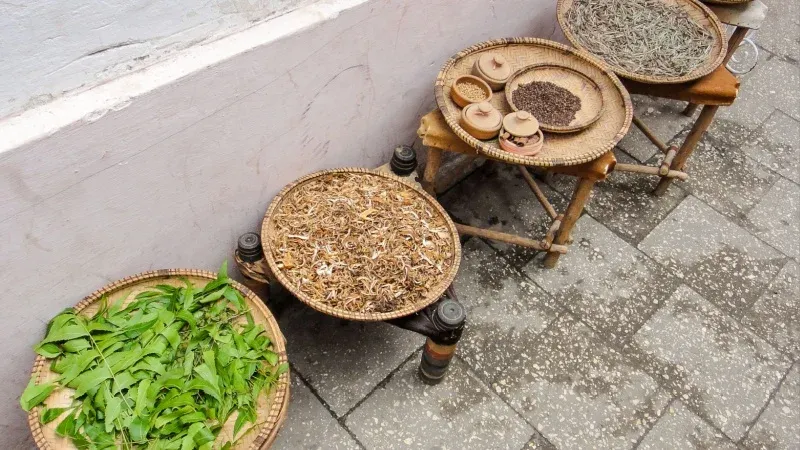
Zanzibar’s Spice Tours offer a unique chance to explore the island’s rich agricultural heritage. While visiting here it is recommended to go for a guided tour. A guide will walk you through the spice farms where you can see, smell, and taste fresh spices like cloves, cinnamon, nutmeg, and vanilla. They will explain how these spices are grown and harvested and share interesting stories about their uses in cooking and medicine. It’s an educational and sensory experience that also highlights Zanzibar’s important role in the global spice trade. You can also explore local villages, giving you a glimpse of everyday life on the island.
What’s Included: Most tours include a walk through the spice farm with a knowledgeable guide, fruit tasting, and often a traditional Swahili lunch cooked with the farm’s fresh spices. It’s the best way to connect with the island’s heritage.
Suggested Read: Top Hotels In South Africa For Your Next Great Escape To The Country
7. See the Elephants of Tarangire National Park
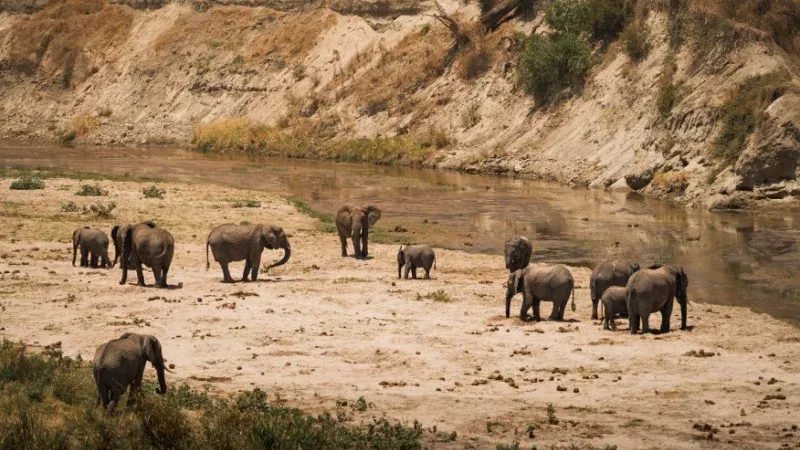
Tarangire National Park in northern Tanzania is famous for its large elephant population. During the summer season, herds of elephants gather around the Tarangire River, making it one of the best places in Africa to see them up close. The park is also home to baobab trees, lions, zebras, giraffes, and many bird species. Its quieter atmosphere compared to other parks offers a more relaxed safari experience. Tarangire’s landscapes change with the seasons, from green grasslands to dry, golden plains, creating beautiful scenery for wildlife viewing all year round.
Best Time to Visit: The best time for wildlife viewing in Tarangire is during the summer season, from June to October.
8. Find Tree-Climbing Lions in Lake Manyara National Park
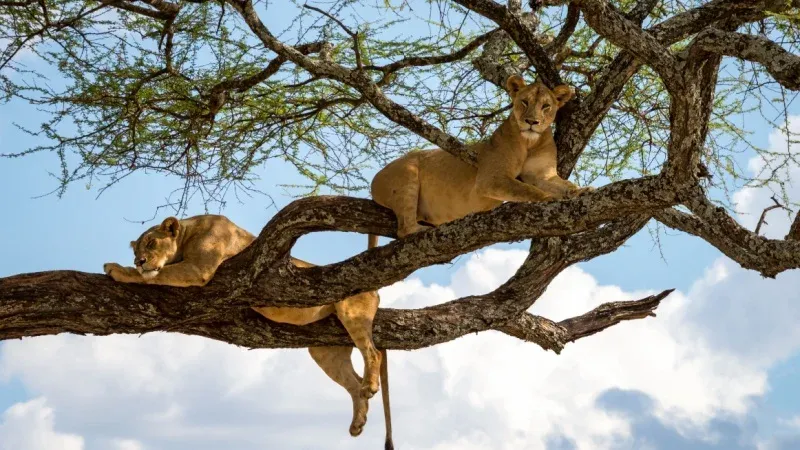
Lake Manyara National Park is one of the few places in the world where you can spot tree-climbing lions. These unique lions are often seen resting on tree branches, a rare sight that attracts tourists. The park also has a large population of elephants, hippos, and over 400 species of birds. Its landscapes range from lush forests to open plains and the shimmering lake itself. This variety makes Lake Manyara a great place to witness wildlife and capture wonderful wild animals.
What to See: With over 400 recorded bird species, Lake Manyara is a haven for birdwatchers. You can see flamingos, pelicans, storks, and hornbills against the stunning backdrop of the Rift Valley.
Suggested Read: Where To Stay In South Africa: A Sight Of The Finest Locations And Hotels
9. Meet the Maasai People
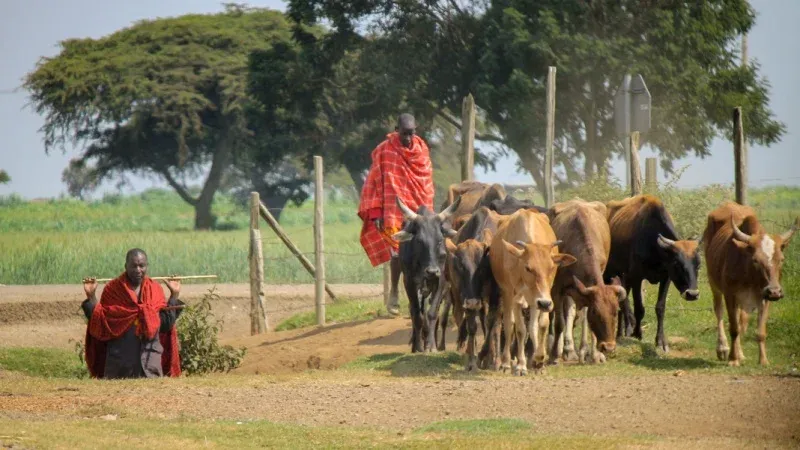
A trip to Tanzania is incomplete without learning about its diverse cultures. Meeting the Maasai people is a chance to learn about one of East Africa’s most famous tribes. Known for their bright red clothing, beadwork, and tall jumping dances, the Maasai have a rich culture that has been passed down for generations. Many Maasai communities welcome tourists to see their traditional homes, learn about their way of life, and hear stories about their history. It’s an opportunity to understand their connection to the land and wildlife, as they have lived alongside nature for centuries.
Things to Know: When visiting a Maasai village, always be respectful. Ask for permission before taking photographs and listen attentively to your guide. These visits are often arranged through tour operators to ensure they are authentic and beneficial to the community.
10. Dive or Snorkel at Mnemba Atoll
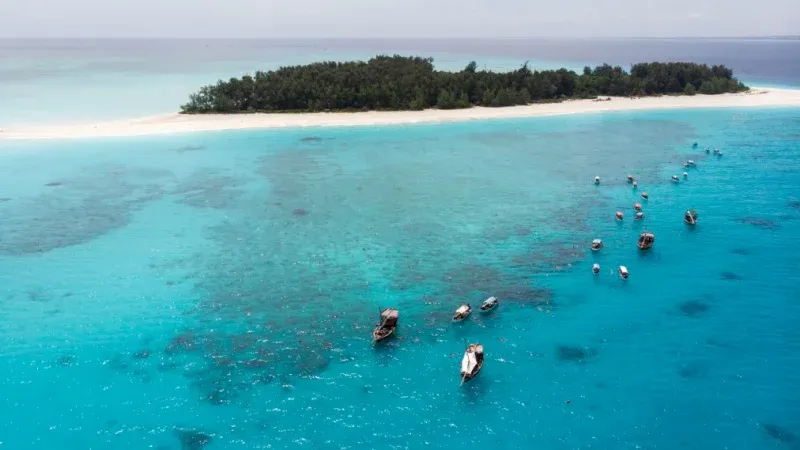
Located just off the northeast coast of Zanzibar, Mnemba Atoll is a protected marine conservation area with some of the best diving and snorkeling opportunities in East Africa. The atoll’s crystal-clear waters and vibrant coral reefs teem with a spectacular array of marine life. You can swim alongside tropical fish, spot graceful sea turtles, and even encounter playful dolphins. It’s an underwater paradise for both beginners and experienced divers.
How to Reach: Trips to Mnemba Atoll are typically organized as half-day or full-day tours from the main beaches in Zanzibar, like Nungwi or Matemwe. The boat ride itself offers beautiful coastal views.
Suggested Read: Best Things to Do in Georgia: Discover Georgia's Natural Beauty
11. Explore Nyerere National Park (Selous Game Reserve)
.webp)
Nyerere National Park, formerly known as Selous Game Reserve, is one of Africa’s largest protected areas. It covers a vast landscape of rivers, lakes, and grasslands, making it a haven for wildlife. Visitors can spot elephants, lions, giraffes, hippos, and crocodiles, along with many bird species. The park is also home to the Rufiji River, which offers boat safaris for a closer look at animals in their natural habitat. With fewer crowds than other parks, it provides a peaceful and wild safari experience.
Activities to Try: In addition to game drives and boat safaris, Nyerere National Park is one of the few places in Tanzania where you can go on guided walking safaris, offering an intimate and thrilling way to connect with the bush.
12. Visit the Olduvai Gorge
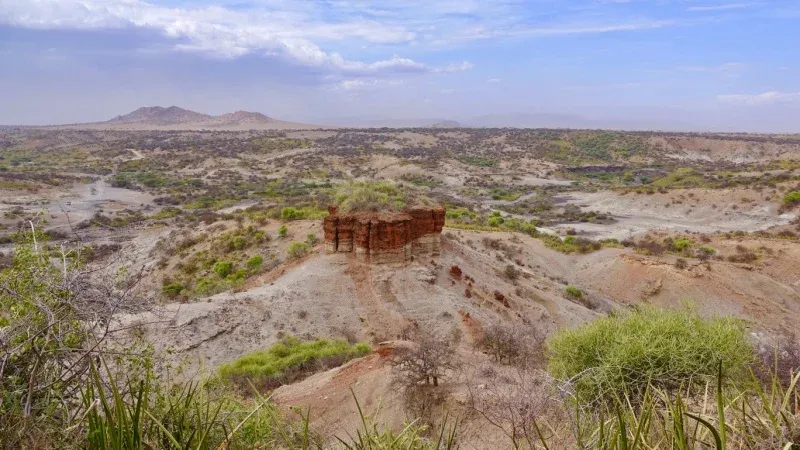
Olduvai Gorge in northern Tanzania is one of the most important archaeological sites in the world. Often called the “Cradle of Mankind,” it is where some of the earliest human fossils and stone tools were discovered. These findings have helped scientists understand human evolution and life millions of years ago. The site is located between the Serengeti and Ngorongoro Crater, making it a great stop during a safari. You can explore the small museum and see the excavation areas that reveal this ancient history.
Why to Visit: A visit to Olduvai Gorge can easily be added to your itinerary when traveling between the Serengeti and Ngorongoro. It provides a fascinating break from wildlife viewing and adds a deep historical context to your journey.
Suggested Read: Top Things to Do in Austria For Everlasting Fun And Thrill
13. Hike in the Usambara Mountains
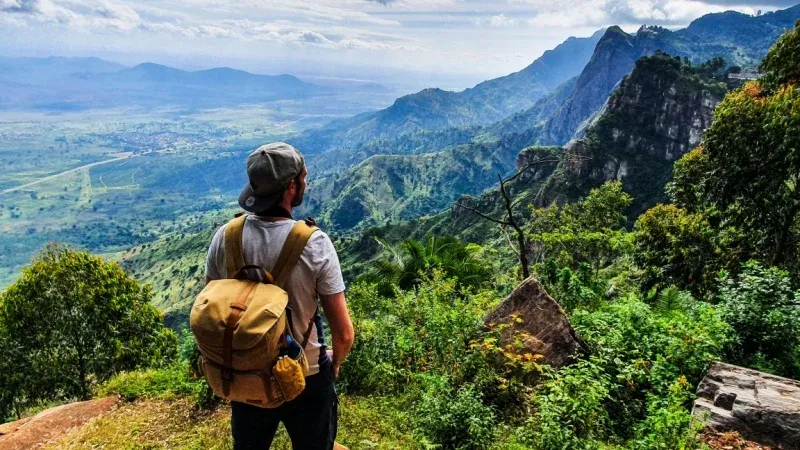
Known for their lush green hills, cool climate, and rich biodiversity, they offer a peaceful escape from the heat of the lowlands. Hiking here takes you through forests filled with rare plants and colorful birds, past terraced farms, and into small villages where you can meet friendly locals. The viewpoints are spectacular, with sweeping views of valleys, plains, and distant peaks. The area is also rich in history and culture, as it is home to traditional communities who have lived here for centuries. Whether you choose a short day trek or a multi-day adventure, the trails are rewarding and full of natural beauty.
Best Time to Hike: The best time for hiking is during the dry seasons, from June to October and January to March, when the trails are less muddy and the views are clearer.
14. See Chimpanzees in Gombe Stream National Park
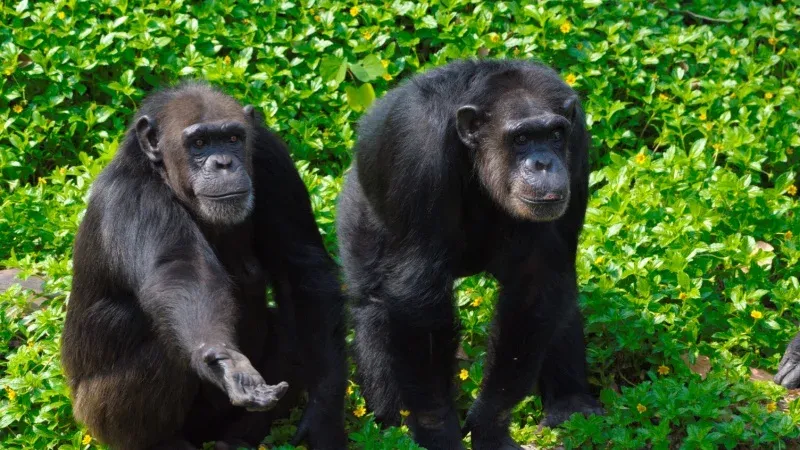
Gombe Stream National Park in western Tanzania is one of the best places to see chimpanzees in their natural habitat. The park became famous through the research of Dr. Jane Goodall, who studied chimp behavior here for decades. You can join guided treks into the forest to watch these intelligent primates up close. Along the way, you might also spot monkeys, colorful birds, and butterflies. The park’s location on the shores of Lake Tanganyika adds to its beauty, offering a mix of forest and clear blue waters. Trekking can be challenging due to steep paths, but the experience of observing chimpanzees in the wild is unforgettable.
Best Time to Visit: Due to its remote location, a trip to Gombe requires more planning and is generally more expensive. It is best suited for those with a deep interest in primates and conservation.
Suggested Read: Things To Do In Norway For Astonishing Vacation
15. Take a Hot Air Balloon Safari
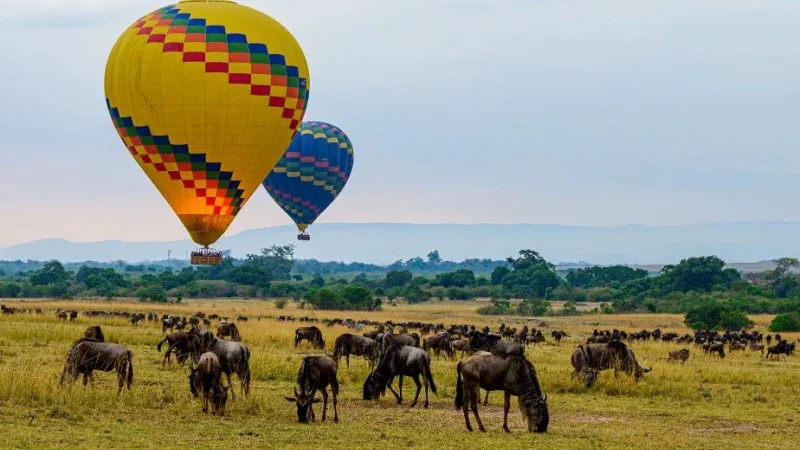
A hot air balloon safari in Tanzania offers a unique way to see the African landscape. These rides are popular in the Serengeti, especially during the Great Migration. The flight usually begins at sunrise, giving you stunning views of the plains, rivers, and wildlife from above. You might see herds of wildebeest, elephants, and giraffes moving across the land. The ride lasts about an hour, followed by a bush breakfast served in the open savannah. Balloon safaris are guided by experienced pilots who share insights about the area and its wildlife.
Is It Worth It?: While it is a costly add-on, most travelers agree that the unique perspective and peaceful beauty make it a once-in-a-lifetime experience. It is one of the most incredible things to do in Tanzania.
Travel Tips for Visiting Tanzania
- Visa: Most visitors need a visa. Apply online for an e-visa before your trip. Some airports also give visas on arrival.
- Currency: The local money is the Tanzanian Shilling (TZS). US dollars are accepted in tourist spots, but keep some shillings for small purchases and tips.
- Best Time to Visit: June to October is the dry season and best for safaris. The months just before and after are cheaper. Avoid March to May as it’s the wet season.
- Language: Swahili and English are official languages. English is common in tourist areas. Learning a few Swahili words like “Jambo” (Hello) and “Asante” (Thank you) is appreciated.
- Transport: Use domestic flights for long distances between parks. Safaris are done in 4x4 vehicles. In towns, take taxis or three-wheeled “bajajis.”
- Health and Safety: Ask your doctor about vaccines. Yellow Fever proof is needed if you arrive from certain countries. Drink bottled or purified water. Tanzania is safe for tourists but stay alert and book with trusted operators.
- Dress Code: Wear neutral-colored, light clothes for safaris. In Zanzibar and coastal towns, dress modestly. Women should cover shoulders and knees outside beach resorts.
- Power and Connectivity: Plugs are Type D and G with 230V. Bring a travel adapter. Buy a local SIM for data. Wi-Fi may be slow outside main cities.
- Tipping: Tip safari guides $10–$15 per person daily. In hotels or restaurants, 10% is a good amount.
- Patience: “Pole pole” means “slowly, slowly.” Life here moves at a relaxed pace, so enjoy the journey and be patient.
Final Thoughts
Tanzania is a destination that captures the heart and ignites the spirit of adventure. It offers a rich tapestry of experiences that go far beyond just wildlife adventure. Whether you are a solo traveler seeking the challenge of Kilimanjaro, a couple looking for a romantic escape in Zanzibar, a family wanting to create lifelong memories on safari, or a culture enthusiast eager to connect with local traditions, Tanzania delivers. The warmth of its people, the grandeur of its landscapes, and the sheer wonder of its wildlife make it a perfect destination for every type of traveler. Don’t just dream about it; it’s time to explore the best things to do. Book your Tanzania tour packages with Myholidays today and embark on the adventure of a lifetime.
Things to do in Tanzania - FAQ’s
Costs can vary widely. A budget trip might cost $150-$200 per person per day, while a mid-range safari is typically $300-$500. Luxury safaris can exceed $1,000 per person per day, especially when including exclusive lodges and flights.
Yes, Tanzania is generally considered a safe destination for tourists, especially when on an organized tour. It is wise to take standard precautions like keeping valuables secure, avoiding walking alone at night in cities, and booking with reputable companies.
Absolutely! Tanzania is a fantastic destination for families. Many lodges are family-friendly, and sharing the wonder of a safari with children is an unforgettable experience. However, some long drives and early mornings might be challenging for very young children.
Tanzanian cuisine is hearty and flavorful. Staples include Ugali (a maize porridge), Nyama Choma (grilled meat), and rice or chapati. On the coast and in Zanzibar, you will find delicious seafood dishes infused with coconut and spices.
Politeness and respect for elders are highly valued. Always greet people before starting a conversation. It is also important to dress modestly, particularly in Zanzibar and rural areas, by covering your shoulders and knees.
For a safari, pack lightweight layers in neutral colors (avoid black, dark blue, and white). Include a warm fleece or jacket for cool mornings and evenings. For Zanzibar, pack beachwear, but also bring modest clothing for exploring towns.
The best way to travel between national parks is with a pre-booked safari vehicle and driver-guide. For longer distances, domestic flights are recommended to save time. Within cities, taxis or ride-sharing apps are available.
Tanzania has a tropical climate with two main seasons. The dry season (June to October) is cooler and dry, making it ideal for safaris. The wet season has two parts: the "long rains" from March to May and the "short rains" from November to December.