Kenya is one of the most popular travel destinations in Africa. It is best known for its safaris, where you can see the Big Five including lion, elephant, buffalo, leopard, and rhino. The Maasai Mara and Amboseli National Park are among the top spots for wildlife exploration. Beyond safaris, Kenya offers beautiful beaches along the Indian Ocean, cultural experiences with the Maasai and Samburu tribes, and outdoor adventures like hiking Mount Kenya. Nairobi, the capital, is a lively city with markets, museums, and urban wildlife at Nairobi National Park. Whether you want to explore nature, relax by the sea, or learn about local traditions, there are many exciting things to do in Kenya. Let’s delve into this comprehensive blog to know about the best things to experience in Kenya on your next vacation.
Unmissable Experiences: The Best 10 Things to do in Kenya
1. Witness the Great Migration in the Maasai Mara
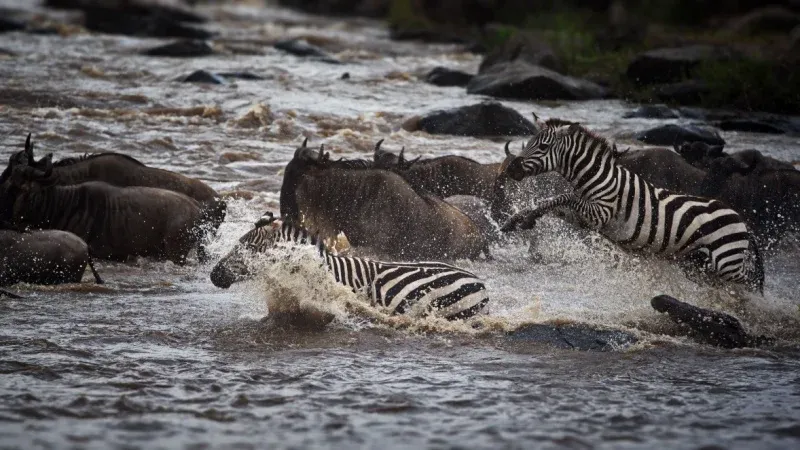
The Maasai Mara National Reserve is the crown jewel of Kenya's wildlife viewing. It is globally famous for hosting the Great Migration, an awe-inspiring spectacle where millions of wildebeest, zebras, and gazelles thunder across the plains in search of fresh grazing, facing dramatic river crossings and cunning predators. This natural event is a raw and powerful display of the circle of life. Beyond the migration, the Mara’s rolling grasslands are teeming with animals year-round, including lions, leopards, cheetahs, and elephants, making it a premier safari destination. A hot-air balloon safari at dawn offers a breathtaking perspective of this immense landscape.
Activities to Try in Maasai Mara: Game drives, hot-air balloon safaris, walking safaris, and cultural visits to Maasai villages.
Best Time to Visit: July to October for the Great Migration.
2. See Elephants Against the Backdrop of Kilimanjaro in Amboseli
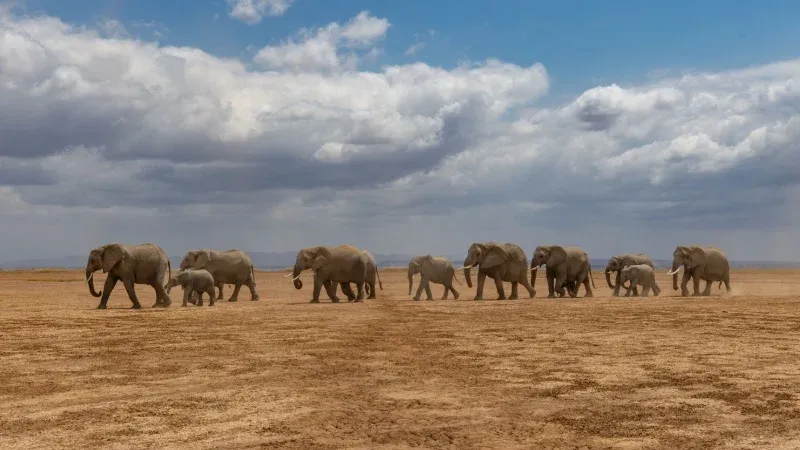
Amboseli National Park is one of the best places in Kenya to see elephants. The park is famous for its large herds that roam freely across the open plains. What makes the experience even more special is the view of Mount Kilimanjaro, which rises just across the border in Tanzania. On clear days, you can watch elephants walking with the snow-capped peak in the background, creating one of Africa’s most iconic sights. Amboseli is also home to other wildlife such as lions, cheetahs, giraffes, and many bird species. Game drives are the most popular way to explore the park, and early mornings often give the best chance to see Kilimanjaro without clouds.
Activities to Try in Amboseli: Game viewing, photography, and visiting the observation hill for panoramic views.
Suggested Read: Beaches in Kenya: Discover the Top Coastal Gems for a Dream Vacation
3. Conquer the Peaks of Mount Kenya
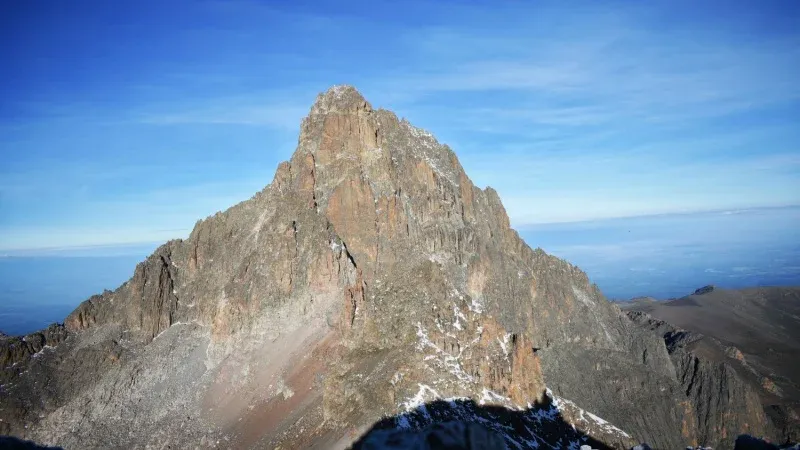
As Africa's second-highest peak, Mount Kenya offers a thrilling challenge for hikers and climbers. This extinct volcano is a UNESCO World Heritage Site, with jagged, glacier-clad summits and diverse ecosystems ranging from dense forests and bamboo jungles to alpine moorlands on its slopes. Reaching Point Lenana, the highest trekking peak at 4,985 meters, is an achievable goal for fit hikers and rewards you with stunning sunrise views across the African plains. The trek is less crowded than Kilimanjaro, offering a more serene and wild mountain experience. The surrounding forests are also home to unique wildlife, including elephants and buffalo.
Activities to Try on Mount Kenya: Mountain trekking, rock climbing, and wildlife viewing on the lower slopes.
Best Time to Visit: January to February and June to September during the dry seasons.
4. Explore the Vibrant Energy of Nairobi
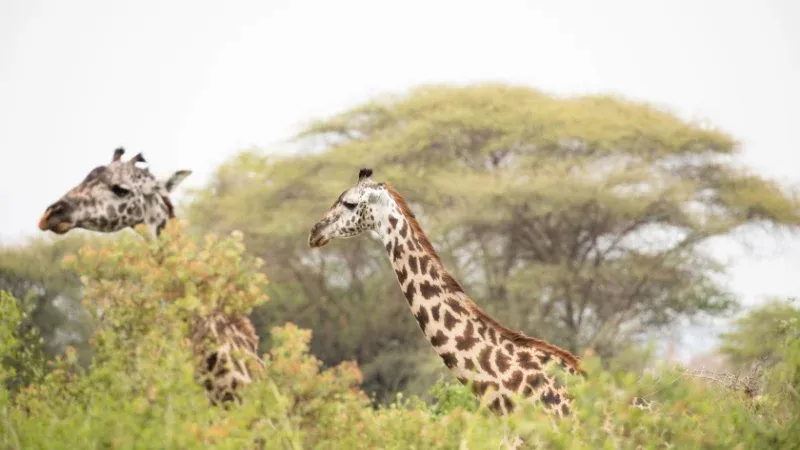
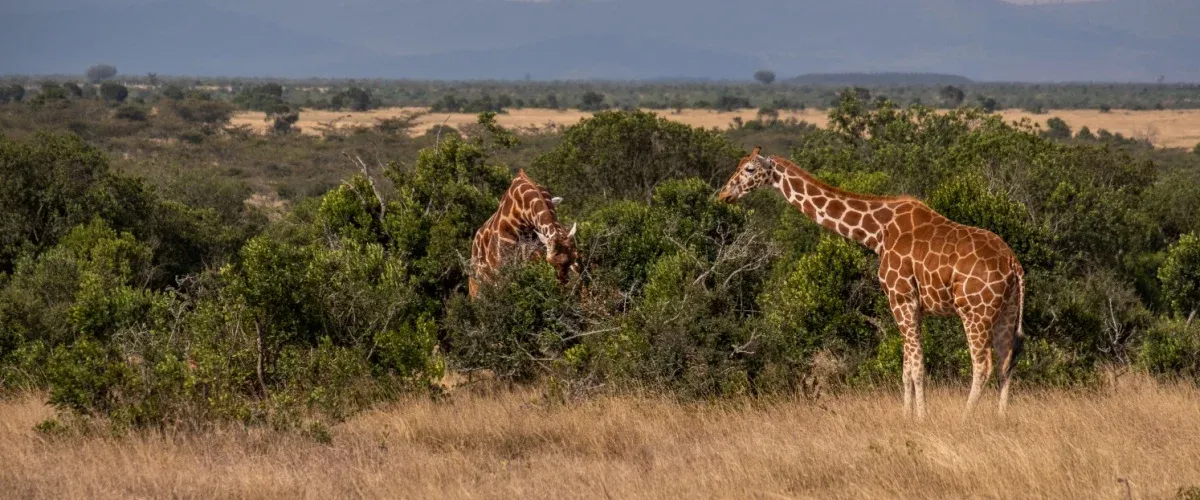
Nairobi, Kenya's capital, is a bustling, modern city that serves as a fantastic introduction to the country. Far more than just a safari gateway, it has a unique character and plenty of attractions. You can connect with conservation efforts by feeding endangered Rothschild's giraffes by hand at the Giraffe Centre or visit the adorable baby elephants at the Sheldrick Wildlife Trust. The Karen Blixen Museum, former home of the "Out of Africa" author, provides a glimpse into colonial life. For a taste of local culture, explore the vibrant Maasai Markets for handmade crafts and souvenirs.
What to See in Nairobi: Sheldrick Trust, Giraffe Centre, Karen Blixen Museum, Nairobi National Park.
Opening Hours: Most attractions are open from 9:00 AM to 5:00 PM.
Suggested Read: Must-Visit Museums in Kenya for Deep Cultural Insights
5. Relax on the Sands of Diani Beach
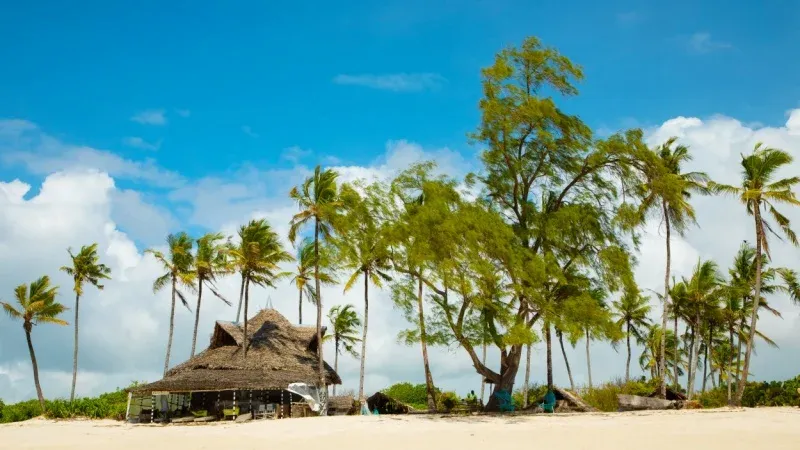
For a perfect dose of sun, sea, and sand, head to Diani Beach. This idyllic stretch of coastline is famous for its powdery white sands, turquoise waters, and lush palm trees. It's the perfect place to unwind after an exhilarating safari. The coral reefs just offshore are teeming with marine life, making it a fantastic spot for snorkeling and diving. You can also try kitesurfing, go on a dhow cruise to a sandbank for a seafood lunch, or simply relax with a cocktail as the sun sets over the Indian Ocean. Diani combines relaxation and adventure effortlessly.
Activities to Try in Diani: Snorkeling, diving, kitesurfing, skydiving, and relaxing on the beach.
Best Time to Visit: December to March and June to September.
6. Step Back in Time on Lamu Island
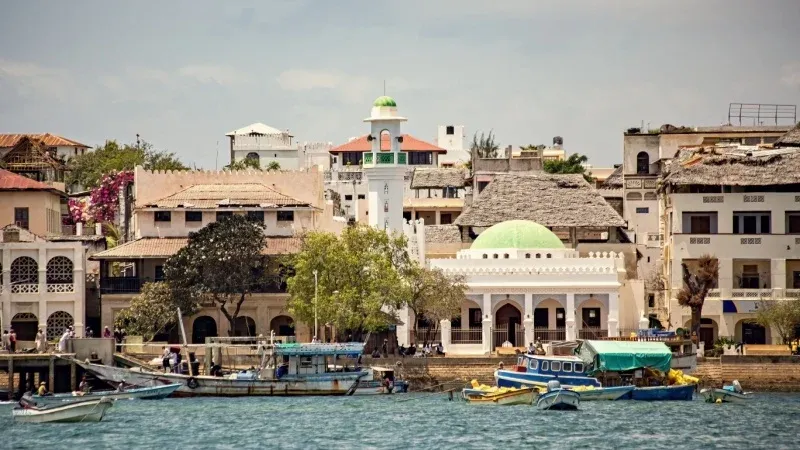
Lamu Island, a UNESCO World Heritage Site, feels like a journey to another era. Life here moves at a slower pace, with narrow, winding streets navigated by donkeys and dhows, as cars are not permitted. The island's rich history is a blend of Swahili, Arabic, and European influences, evident in its unique stone architecture and intricately carved wooden doors. Explore the winding alleys of Lamu Old Town, sail to the nearby Takwa Ruins on a traditional dhow, or simply soak in the laid-back, bohemian atmosphere. It’s a place to disconnect from the modern world and immerse yourself in a unique coastal culture.
What to See in Lamu: Lamu Old Town, Lamu Museum, Donkey Sanctuary, and dhow sailing.
Suggested Read: Ultimate Guide to Best Spa in Kenya for a Rejuvenating Escape
7. See the Pink Sea of Flamingos at Lake Nakuru
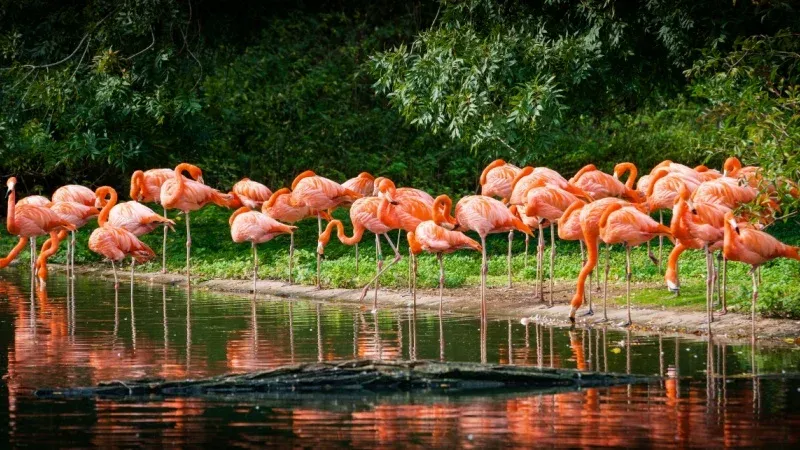
Lake Nakuru National Park is one of Kenya’s most famous wildlife spots, known for its flocks of flamingos. At times, the lake’s shores turn into a sea of pink as thousands of these birds gather to feed on algae in the shallow waters. Besides flamingos, the park is home to over 400 bird species, making it a paradise for birdwatchers. You can also spot white and black rhinos, giraffes, lions, and zebras during game drives. The surrounding acacia forests and open grasslands add to the park’s beauty. The best views of the flamingos are usually in the early morning when the light reflects off the water. A trip to Lake Nakuru offers a mix of stunning scenery, birdlife, and big game, making it one of the most memorable wildlife experiences in Kenya.
Activities to Try at Lake Nakuru: Bird watching, rhino tracking, and game drives.
Opening Hours: 6:00 AM to 6:00 PM daily.
8. Cycle Alongside Wildlife at Hell's Gate National Park
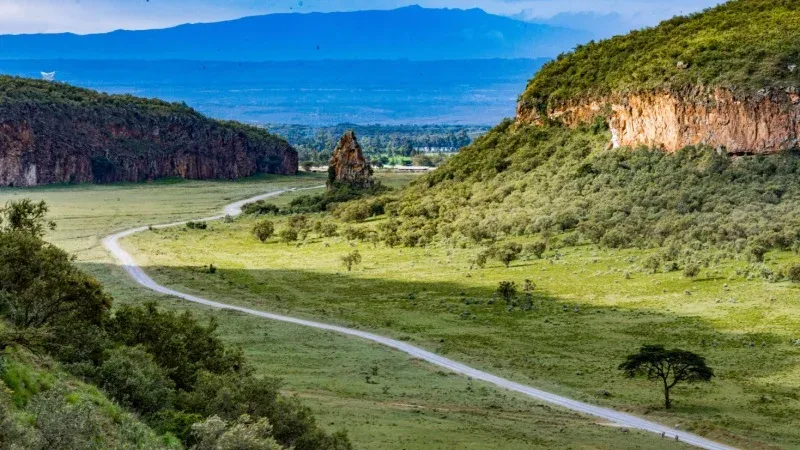
For a truly unique safari experience, Hell's Gate National Park allows you to explore its dramatic landscapes on foot or by bicycle. Named for its intense geothermal activity, the park features towering cliffs, deep gorges, and steaming geysers. Because there are no major predators like lions or cheetahs, you can safely cycle or walk alongside zebras, giraffes, buffalo, and gazelles. The park's landscape inspired several scenes in "The Lion King," and hiking through the Ol Njorowa Gorge is a highlight for many tourists. It’s an active, immersive way to experience Kenya's nature.
Activities to Try in Hell's Gate: Cycling, hiking, rock climbing, and visiting the natural hot springs.
Best Time to Visit: During the dry seasons for better road and trail conditions.
Suggested Read: Here’s Where to Go for the Ultimate Safari in Kenya This Year
9. Immerse Yourself in Culture at a Maasai Village
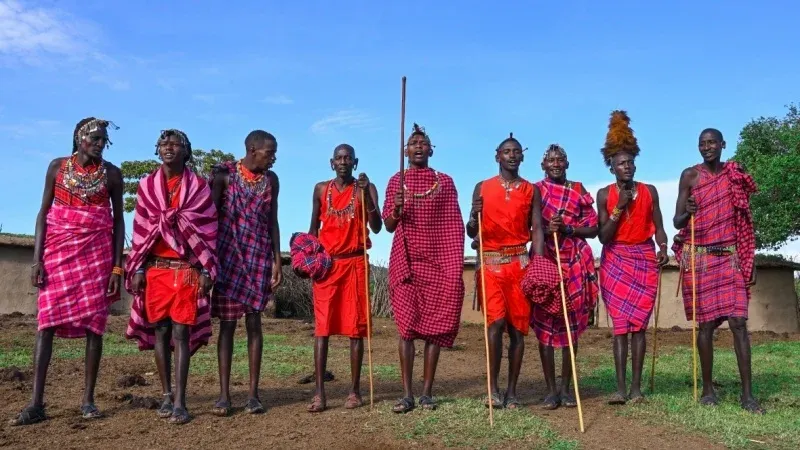
A visit to a Maasai village offers a fascinating insight into one of Africa's most famous traditional cultures. The Maasai people are known for their distinctive red shukas (robes), intricate beadwork, and strong connection to their cattle and land. During your visit, you can witness their traditional "adumu" jumping dance, learn about their semi-nomadic lifestyle, and see how they build their homes (manyattas) from local materials. While it's important to choose a tour that is ethical and genuinely benefits the community, a respectful visit provides a valuable cultural exchange and a deeper understanding of Kenya’s people.
What to Expect: A welcoming ceremony with song and dance, a tour of the village, and a chance to buy authentic crafts.
10. Marvel at the Great Rift Valley
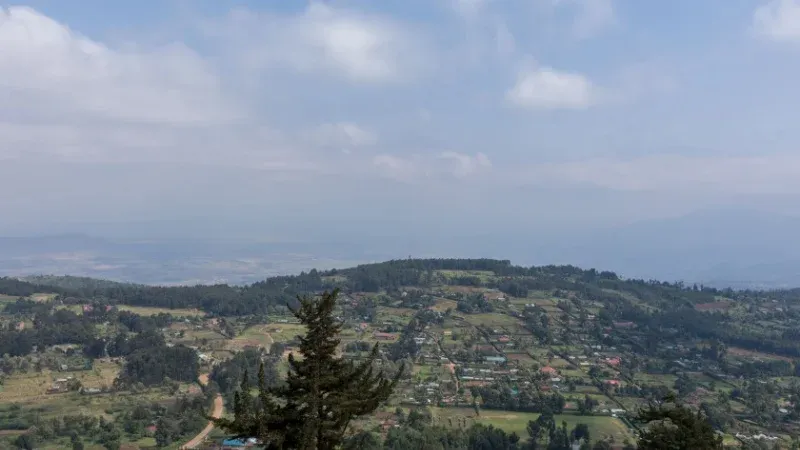
The Great Rift Valley is a massive geological fault line that runs through Kenya, creating some of the most dramatic and beautiful landscapes in the country. From the designated viewpoints along the Nairobi-Naivasha highway, you can witness the sheer scale of the valley floor stretching out below. The valley is dotted with a series of lakes, including Naivasha and Elementaita, each with its own unique ecosystem. A boat trip on Lake Naivasha allows you to get close to hippos and a variety of birdlife, while Crescent Island offers a peaceful walking safari experience.
Best Viewpoints: Stop at the designated viewpoints on the A104 highway for stunning panoramic views.
Suggested Read: Things to Do in Tanzania: Experience the Wild Beauty of Africa
Travel Tips for Visiting Kenya
- Visa Tips: Most visitors need an e-visa, which should be applied for online in advance of your trip.
- Currency: The local currency is the Kenyan Shilling (KES). While credit cards are accepted in major hotels and restaurants, carrying cash is useful for local markets and tips.
- Best Travel Months: The dry seasons from June to October and January to February are ideal for wildlife exploration. The shoulder seasons can offer lower prices and fewer crowds.
- Languages Spoken: Swahili and English are the official languages. English is widely spoken in tourist areas, making communication easy.
- Transport Options: Domestic flights can save time between major destinations. For shorter distances, ride-hailing apps are common in cities, while shared vans called "matatus" are the local way to travel.
- Health and Safety: Consult your doctor about recommended vaccinations and malaria prophylaxis. Drink bottled or filtered water. While Kenya is generally safe for tourists, be mindful of your surroundings in busy cities.
- What to Pack: Pack lightweight clothing in neutral colors for safaris, a warm jacket for cool mornings and evenings, comfortable walking shoes, sunscreen, a hat, and insect repellent.
- Local Cuisine: Be sure to try local dishes like Ugali (a maize porridge), Sukuma Wiki (collard greens), and Nyama Choma (grilled meat).
- Power and Plugs: Kenya uses Type G plugs (the three-pronged UK plug) with a standard voltage of 240V.
- Respectful Photography: Always ask for permission before taking photos of people, especially in cultural settings like Maasai villages.
Final Thoughts
In the end we can say that Kenya is a country full of natural beauty, wildlife, and culture. From watching the sunrise over the savanna to meeting local communities, every moment brings something new. The list of things to do in Kenya is wide, giving travelers a chance to enjoy safaris, beaches, and cultural experiences. It is a destination that suits all kinds of tourists such as families, couples, solo travelers, or adventure seekers. A trip here is not just about sightseeing but also about making lasting memories in a land that feels alive with nature and tradition. To make your journey easy and enjoyable, you can book your Kenya tour packages with Myholidays and explore the best of what the country has to offer.
Things to do in Kenya - FAQ’s
Yes, Kenya is generally safe for tourists, especially in the main tourist areas and national parks. It's always wise to take standard precautions like avoiding walking alone at night in cities and keeping your valuables secure.
Safari costs can vary widely depending on the level of luxury, length of the trip, and parks visited. Budget camping safaris can start from around $150 per day, while mid-range and luxury lodge safaris can range from $300 to over $1000 per person per day.
Absolutely! Kenya is a fantastic destination for families. Many lodges and camps offer family-friendly accommodations and activities like guided nature walks, swimming pools, and cultural lessons designed to engage children.
The food is delicious and hearty. Must-try dishes include Nyama Choma (barbecued meat), Ugali (a staple made from maize flour), and Sukuma Wiki (sautéed collard greens). There are plenty of international options available as well.
Pack lightweight clothing in neutral and earthy tones for safari drives. Include a warm fleece or jacket for chilly mornings and evenings, comfortable shoes, a wide-brimmed hat, sunscreen, and a good pair of binoculars.
Kenyans are generally warm and welcoming. A friendly greeting ("Jambo!") is always appreciated. It is polite to ask for permission before taking someone's photograph.
Domestic flights are the easiest way to travel between major regions like the Maasai Mara and the coast. Within cities, ride-sharing apps are reliable. For travel between towns, private car hires or shuttle services are good options.
Kenya has two dry seasons (June-October, January-February) which are ideal for safaris. There are two rainy seasons: the "long rains" from March to May and the "short rains" from November to December.