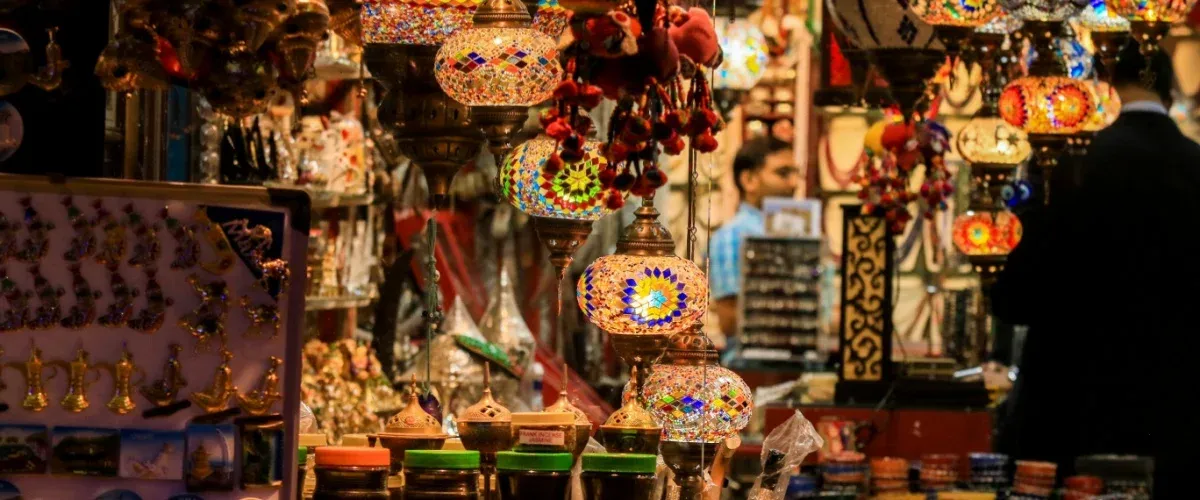
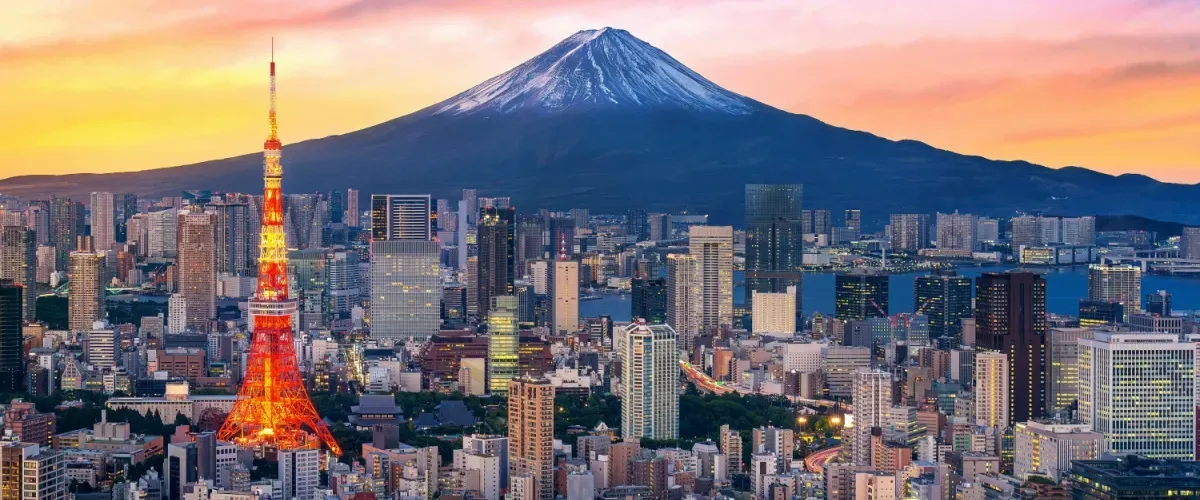
Tokyo offers a shopping experience like no other, blending the latest trends with rich tradition. When it comes to shopping in Tokyo, tourists can explore a wide variety of options, from high-end luxury brands in Ginza to quirky fashion boutiques in Harajuku. Electronics lovers will enjoy Akihabara’s vast selection of gadgets and anime merchandise, while those looking for traditional crafts and souvenirs will find plenty of options in Asakusa. The city also has many large shopping malls and department stores where you can find everything under one roof. Whether you want to hunt for unique fashion pieces, discover cutting-edge technology, or buy handmade goods, Tokyo has something for every shopper. Easy to navigate and full of energy, shopping in Tokyo is an exciting way to explore the city’s culture and creativity. It’s a must-do activity for anyone visiting Japan’s bustling capital.
A Deep Dive into Shopping in Tokyo: 13 Must-Visit Destinations
1. Shinjuku
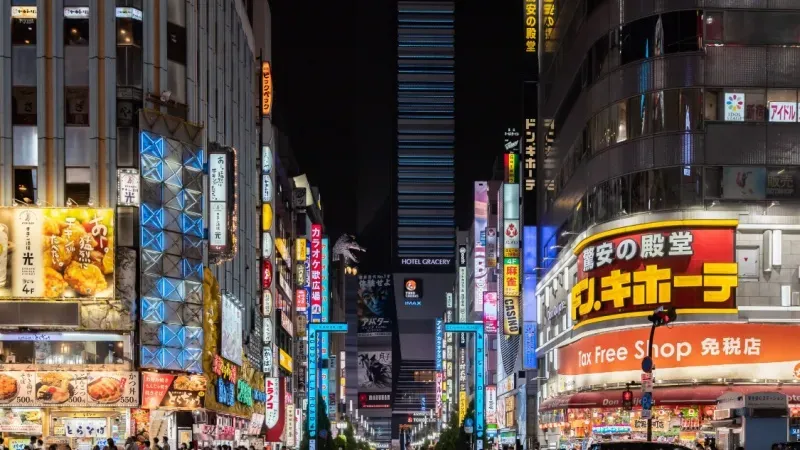
Shinjuku is one of Tokyo’s top shopping destinations, offering everything from luxury brands to affordable fashion and electronics. Around Shinjuku Station, you’ll find massive department stores like Isetan, Takashimaya, and Odakyu, each with entire floors dedicated to fashion, beauty, and gourmet food. The area is also home to electronics giants such as Bic Camera and Yodobashi Camera, where you can shop the latest gadgets. For trendier styles, small boutiques and fashion chains line the busy streets on the east side. Don’t miss the underground shopping arcades, which are filled with unique shops and easy access from the station.
Visiting hours: 10:00 AM to 9:00 PM.
2. Shibuya
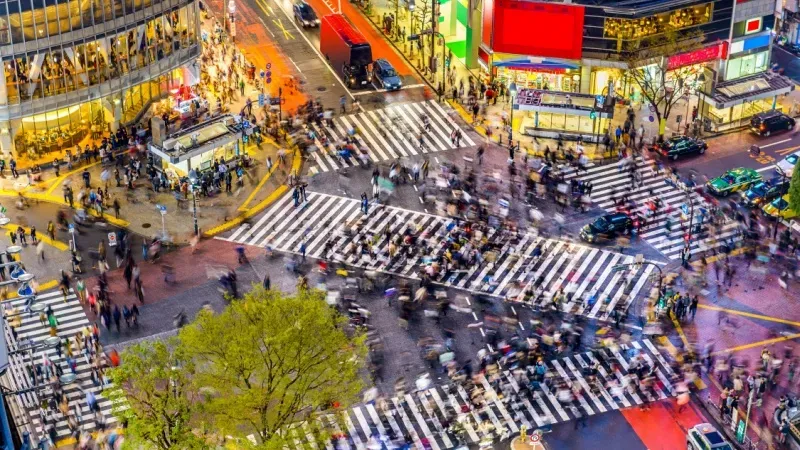
Shibuya is the undeniable epicenter of youth culture and fashion in Tokyo. Its iconic scramble crossing is surrounded by towering screens and buildings packed with the latest trends. It is a must-visit for anyone interested in contemporary Japanese style, from mainstream brands in Shibuya 109 to edgy streetwear. The main draw is the energy and the constant flow of new styles emerging from its streets. You can find everything from fast fashion at Zara to unique Japanese brands. Explore Center Gai street for a sensory overload of shops, restaurants, and arcades. For a slightly different vibe, wander up to Koen Dori to find more sophisticated boutiques.
Visiting Hours: 11:00 AM to 9:00 PM (All Days)
Suggested Read: Top Things to Do in Kyoto to Experience Japanese Culture
3. Ginza
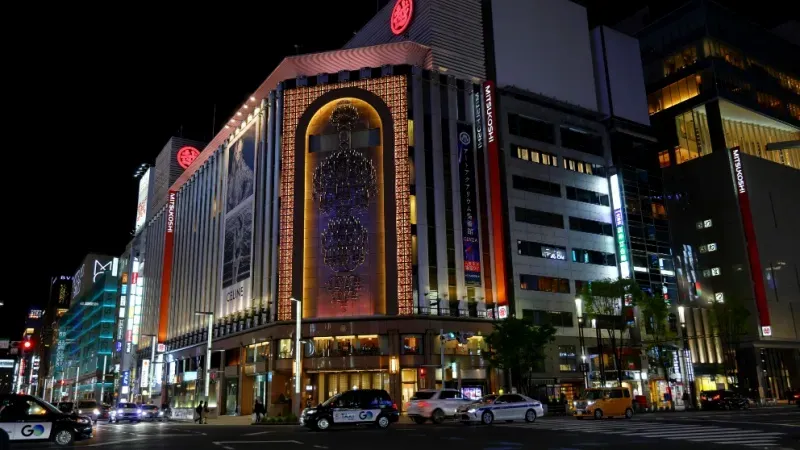
Ginza represents the height of sophistication and luxury shopping in Tokyo. This is where you'll find the flagship stores of international fashion houses like Chanel, Dior, and Louis Vuitton, alongside prestigious Japanese department stores such as Mitsukoshi and Wako. Ginza's main street, Chuo Dori, becomes a pedestrian paradise on weekend afternoons, making for a pleasant and upscale shopping stroll. The district’s unique selling proposition is its concentration of premium quality goods, impeccable customer service, and architectural beauty. Beyond fashion, Ginza is also a hub for high-end art galleries, electronics at the Sony showroom, and exquisite stationery at Itoya.
Visiting Hours: 11:00 AM to 8:00 PM (All Days)
4. Akihabara
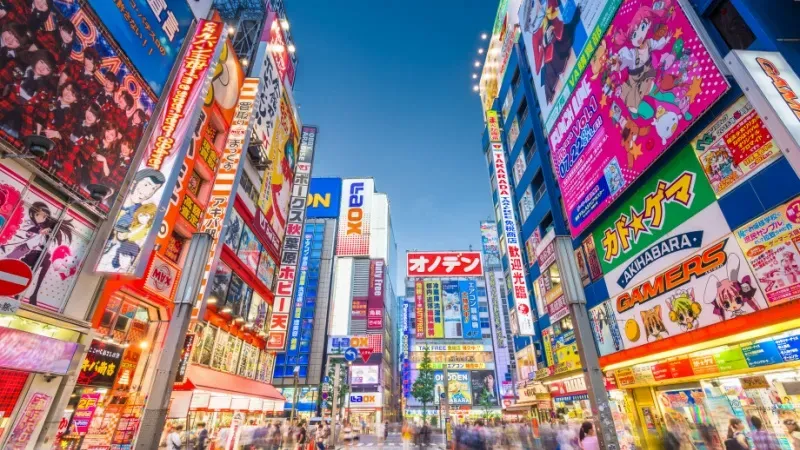
Often called “Electric Town,” Akihabara is a dazzling neighborhood dedicated to anime, manga, video games, and electronics. This is the ultimate destination for pop culture enthusiasts and tech geeks. The streets are lined with multi-story buildings like Yodobashi Camera, offering an exhaustive range of electronics, while smaller stalls in the Radio Kaikan building sell everything from transistors to collectible action figures. Akihabara's USP is its vibrant "otaku" (geek) culture, with themed cafes, arcades, and countless stores dedicated to niche hobbies. Look for rare figurines at Mandarake, explore the Gachapon Hall for capsule toys, and experience the unique arcade culture.
Visiting Hours: 10:00 AM to 8:00 PM (All Days)
Suggested Read: Best Things to Do in Osaka for Families, Couples, and Solo Travelers
5. Harajuku
It is world-famous for its colorful and expressive street fashion. Takeshita Street is the heart of it all, a narrow pedestrian lane packed with quirky boutiques, crepe stands, and shops selling "kawaii" (cute) goods. It’s an essential visit to witness unique youth subcultures and find one-of-a-kind fashion items you won’t see anywhere else. Its uniqueness lies in its unapologetic celebration of individuality. While Takeshita Street is a must-do for its vibrant chaos, don't miss the backstreets (Ura-Harajuku) for more independent designer shops and vintage stores. Here you can find everything from gothic lolita outfits to colorful accessories and J-pop merchandise.
Visiting Hours: 11:00 AM to 8:00 PM.
6. Omotesando
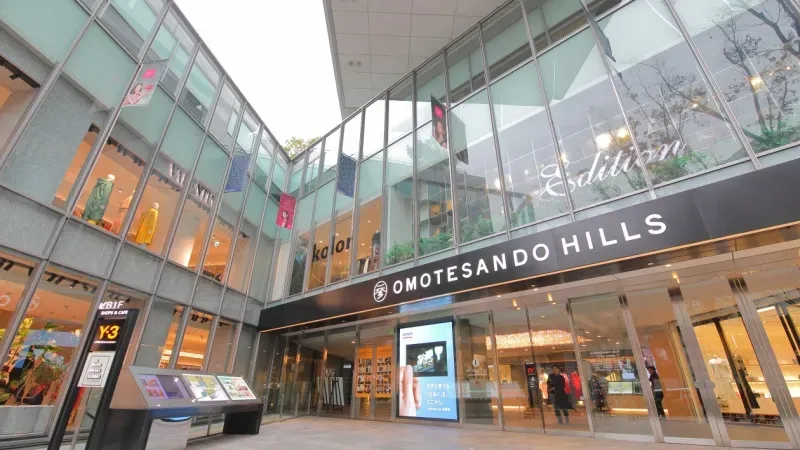
Often described as Tokyo's Champs-Élysées, Omotesando is a beautiful tree-lined avenue that offers a more relaxed and sophisticated shopping experience compared to its neighbors, Harajuku and Shibuya. The area is renowned for its stunning modern architecture, with many flagship stores designed by world-famous architects. This is the place for high-end fashion, lifestyle brands, and chic cafes. Its appeal lies in the seamless blend of luxury retail and impressive design. Besides international brands, you'll find the Omotesando Hills complex, a sleek shopping mall, and Kiddy Land, a multi-story toy store that is fun for all ages. It’s the perfect place for a leisurely shopping day.
Visiting Hours: 11:00 AM to 8:00 PM (All Days)
Suggested Read: 7 Unmissable Places for Ultimate Shopping in Vietnam
7. Asakusa
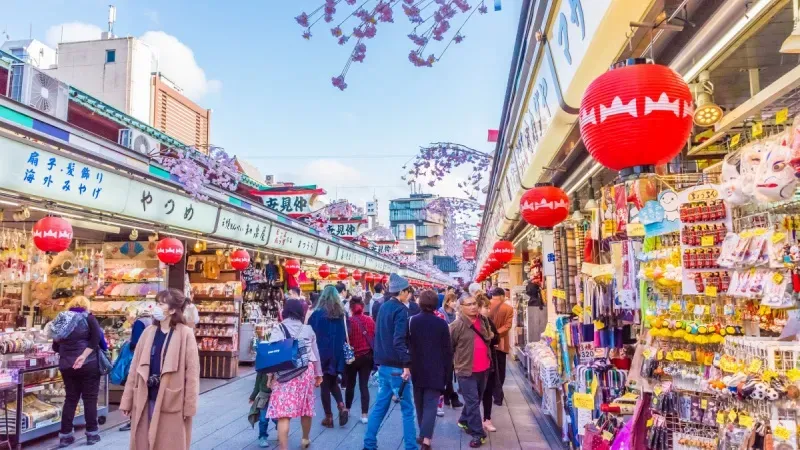
For a taste of old Tokyo, head to Asakusa. The shopping experience here centers around Nakamise-dori, the historic street leading up to the famous Senso-ji Temple. The street is lined with dozens of small stalls selling traditional Japanese souvenirs, snacks, and crafts. It's the best place in Tokyo to buy authentic gifts like folding fans, yukata (light cotton kimono), geta sandals, and beautiful ceramics. The USP is the atmosphere of "shitamachi" (old downtown Tokyo), offering a cultural experience alongside shopping. Relish local treats like freshly made senbei (rice crackers) and ningyo-yaki (small cakes with sweet fillings). For high-quality kitchenware you can explore the nearby Kappabashi Street.
Visiting Hours: 9:00 AM to 7:00 PM (All Days)
8. Ameya Yokocho (Ameyoko)
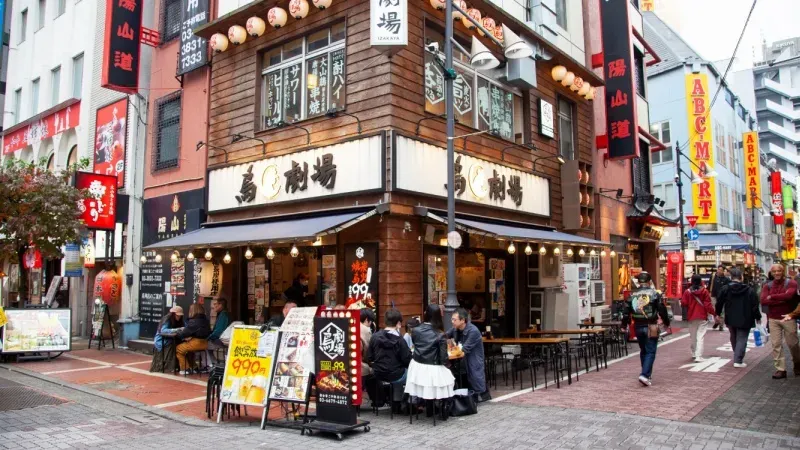
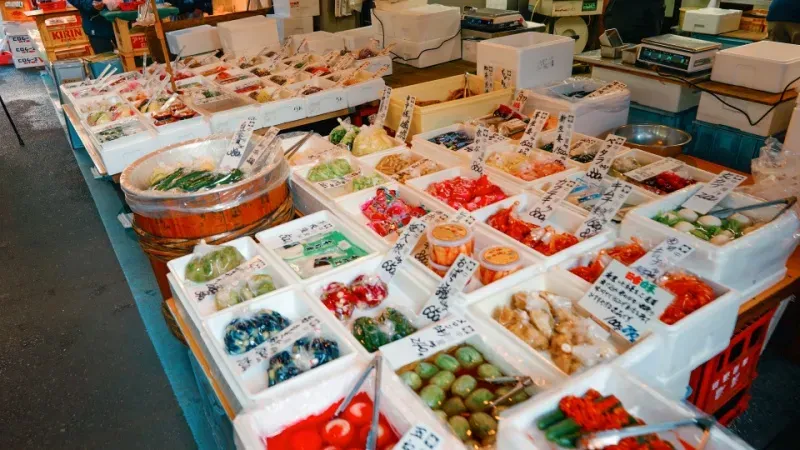
Located between Ueno and Okachimachi stations, Ameya Yokocho, or "Ameyoko," is a lively and chaotic open-air market that originated as a black market after World War II. Today, it’s a vibrant place where you can find everything from fresh seafood and spices to cheap clothes, bags, and cosmetics. It is worth visiting for its energetic atmosphere and bargain prices. The market's unique selling point is its raw, old-school energy, where shopkeepers shout out their deals. It’s a great place to buy Japanese snacks like dried squid and various candies, as well as affordable streetwear and athletic shoes. Bargaining is not common, but the prices are already very low.
Visiting Hours: 10:00 AM to 8:00 PM (Closed on Wednesday)
Suggested Read: Top Markets and Malls to Visit for Best Shopping in Bali
9. Shimokitazawa
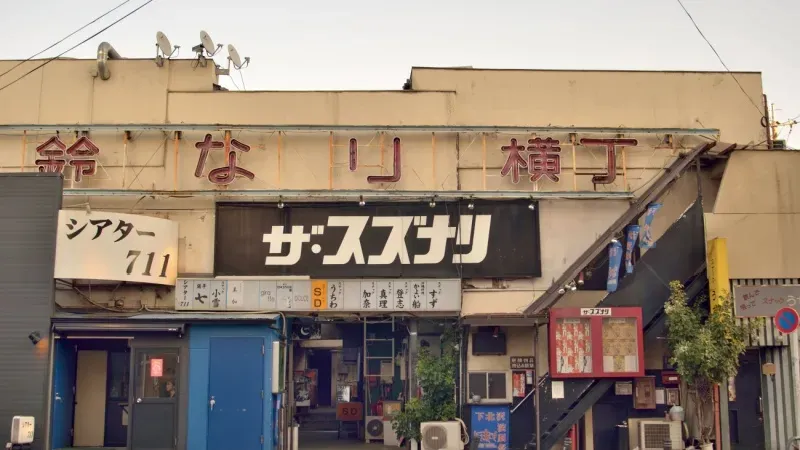
Shimokitazawa, often called “Shimokita” by locals, is one of Tokyo’s trendiest neighborhoods for shopping and culture. Known for its laid-back atmosphere, the area is packed with vintage clothing stores, second-hand shops, and small independent boutiques that attract fashion lovers looking for unique finds. It’s also a hub for record stores, cozy cafés, and live music venues, making it popular among young creatives and students. Unlike Tokyo’s big shopping districts, Shimokitazawa offers a slower pace and a more personal experience.
Visiting Hours: 8:00 PM or 9:00 PM (All Days)
10. Yanaka Ginza
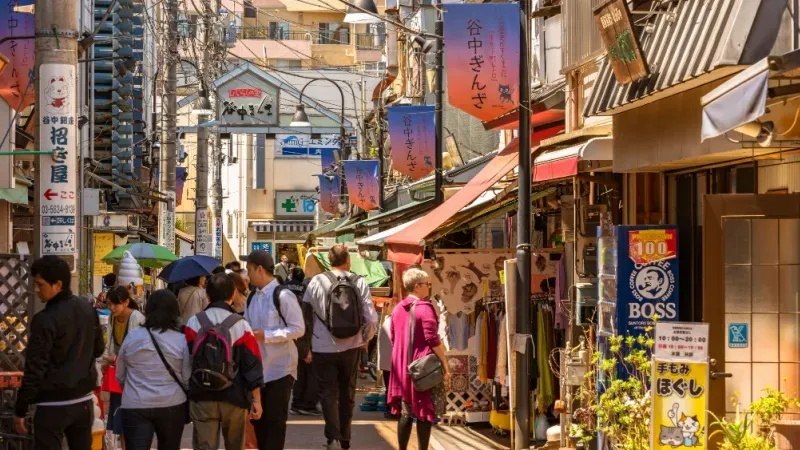
For a truly nostalgic shopping experience, Yanaka Ginza is a beautifully preserved shopping street that exudes the charm of mid-20th century Tokyo. Located in the quiet Yanaka district, this short street is lined with about 60 small, family-run shops selling everything from fresh produce and meat to traditional sweets and household goods. It offers a glimpse into the daily life of a bygone era, making it a unique cultural and shopping destination. The best things to buy here are local foods and snacks. Try the menchi-katsu (deep-fried minced meat cutlet) from a local butcher or enjoy traditional Japanese sweets. It’s a place for slow, pleasant strolling rather than intensive retail therapy.
Visiting Hours:10:00 AM to 6:00 PM (Closed on Wednesday)
Suggested Read: Guide to Shopping in Germany: 12 Handpicked Spots, Timings & Tips
11. Odaiba
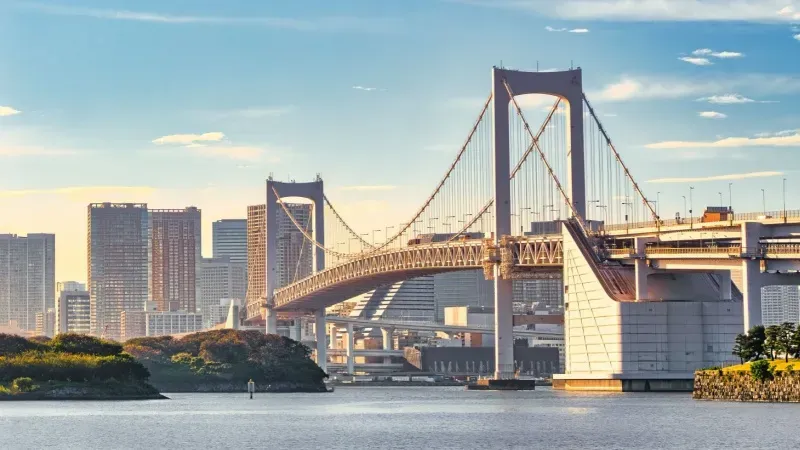
Odaiba is a futuristic entertainment hub on a man-made island in Tokyo Bay, accessible via the scenic Rainbow Bridge. It's known for its massive shopping malls like Aqua City and DiverCity Tokyo Plaza, which offer a wide range of international and Japanese brands. The area's USP is its resort-like atmosphere, combining shopping with attractions like the teamLab Borderless digital art museum, a giant Gundam statue, and Legoland Discovery Center. It's a great destination for a full day of family fun and shopping. You can find everything from fashion and cosmetics to character goods and souvenirs, often with beautiful views of the Tokyo skyline.
Visiting Hours: 11:00 AM to 9:00 PM (All Days)
12. Marunouchi
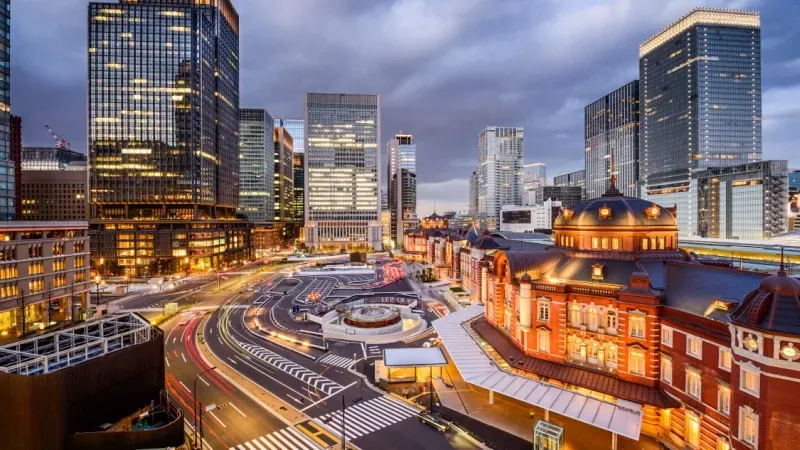
Marunouchi is one of Tokyo’s most upscale business and shopping districts, located between Tokyo Station and the Imperial Palace. It is best known for its modern skyscrapers and elegant atmosphere, it is home to luxury boutiques, designer stores, and stylish shopping complexes like Marunouchi Building and Shin-Marunouchi Building. The area also features fine dining restaurants, trendy cafés, and seasonal outdoor events that attract both locals and visitors. Unlike the busy street markets of Tokyo, Marunouchi offers a polished and sophisticated shopping experience.
Visiting Hours: 11:00 AM to 9:00 PM
Suggested Read: Top 12 Destinations for Shopping in London!
13. Ikebukuro
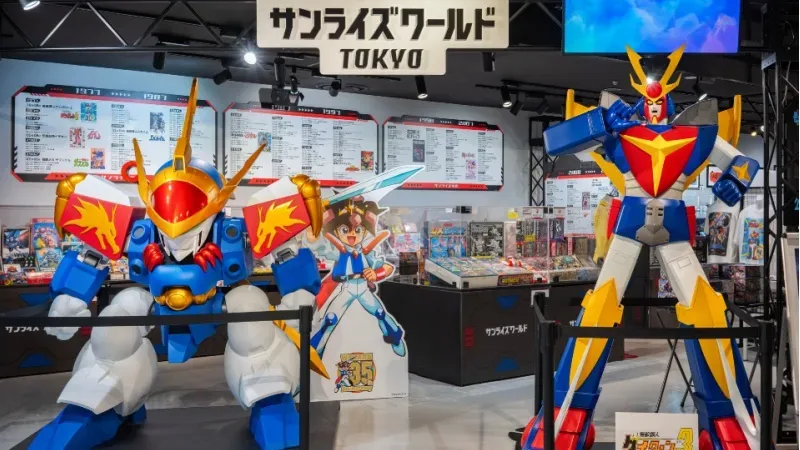
Ikebukuro is a major commercial and entertainment district that often feels like a blend of Shinjuku's scale and Akihabara's pop culture focus. The area is dominated by two massive department stores, Seibu and Tobu, which are among the largest in the world. It’s also a major hub for "otaku" culture, especially for female fans, with Animate's flagship store and Otome Road catering to anime and manga enthusiasts. The Sunshine City complex is a city within a city, featuring a shopping mall, an aquarium, an observatory, and a planetarium. Ikebukuro’s strength is its diversity, offering huge department stores, niche pop culture shops, and major electronic retailers all in one convenient location.
Visiting Hours: 10:00 AM to 9:00 PM (All Days)
Suggested Read: Shopping in Dubai: The Complete Guide for Shoppers
Things to Know Before Shopping in Tokyo
- Tax-Free Shopping: Many stores offer tax-free shopping for tourists on purchases over ¥5,000. Carry your passport to avail this benefit.
- Payment Methods: Credit cards are widely accepted in big stores, but smaller shops and markets often prefer cash. Convenience stores and train stations have ATMs for international cards.
- Store Hours: Department stores usually open from 10:00 AM to 8:00 PM. Smaller shops may open later and close earlier, especially in non-tourist areas.
- Packaging Culture: Expect neat and detailed packaging. Even small items are wrapped carefully, making them great for souvenirs.
- Shopping Etiquette: Bargaining is not common in Japan. Prices are usually fixed, except at flea markets.
- Variety of Options: From luxury malls in Ginza to quirky street fashion in Harajuku and vintage finds in Shimokitazawa, Tokyo has something for every taste and budget.
- Seasonal Sales: Best deals are during New Year (Fukubukuro or “lucky bags”), summer (July–August), and winter (January–February) sales.
- Language Support: Many large stores have English-speaking staff or translation devices, but carrying a translation app can be helpful in smaller shops.
- Duty-Free Shops at Airports: If you miss shopping in the city, Tokyo’s airports have duty-free outlets with cosmetics, electronics, and souvenirs.
- Bring a Reusable Bag: Plastic bags often cost extra, so carrying your own eco-friendly bag is convenient and sustainable.
Final Thoughts
Tokyo is a city that offers endless variety for every kind of traveler. Shopping in Tokyo is more than just buying things, it’s an experience that reflects the city’s unique mix of tradition and modern style. From luxury boutiques in Ginza to budget finds in Ameyoko, every district has its own charm. Trendy fashion can be explored in Harajuku and Shibuya, while Asakusa is known for traditional crafts and souvenirs. Beyond these popular spots, local shopping streets, or “shotengai,” give a glimpse into daily life with small, family-run shops and unique items. So what are you waiting for? Book a Tokyo tour package with Myholidays and get ready to shop your heart out.
Shopping in Tokyo: FAQ’s
Prices for handicrafts can vary widely based on quality and artistry. For example, a simple decorative folding fan from a Nakamise-dori stall might cost 1,500 yen, while a high-quality, handmade fan from a specialty shop could be over 10,000 yen. Small ceramic sake cups could be as low as 500 yen each, with intricate tea sets costing significantly more.
No, bargaining is generally not acceptable in Japan. Prices in department stores, boutiques, and most shops are fixed. The only exception might be at some flea markets or the occasional stall in Ameyoko, but even then, it's not a common practice and should be approached very politely, if at all.
Absolutely. Japan is an exceptionally safe country, and its markets are very safe for solo travelers. Crowded areas like Shibuya Crossing or Ameyoko require the usual awareness of your belongings, but the general risk of theft is very low.
Major department stores, chain stores, and hotels universally accept credit cards. However, many smaller independent shops, food stalls, and local markets (like Yanaka Ginza or Ameyoko stalls) are cash-only. It is always wise to carry a sufficient amount of Japanese Yen.
Foreign tourists can get a refund on the 10% consumption tax. Look for the "Japan Tax-Free Shop" logo. You typically need to spend over 5,000 yen in one store on one day, and you must present your passport at the time of purchase or at a dedicated tax refund counter in the store.
For electronics, Akihabara is the legendary hub, with Shinjuku and Ikebukuro also having massive electronics stores. For high fashion, Ginza and Omotesando are top choices. For youth and street fashion, Shibuya and Harajuku are unbeatable, while Shimokitazawa is the best for vintage finds.
For most textiles and modern crafts, there are no restrictions. However, for antiques or items of cultural importance, such as authentic samurai swords, you may need an export permit from the Agency for Cultural Affairs. Always check with the dealer, as they can usually advise on the proper procedures.
There is no strict dress code for shopping in Tokyo. However, Japanese people tend to dress smartly. For a comfortable day, wear good walking shoes. In upscale areas like Ginza or Marunouchi, you might feel more comfortable in smart-casual attire.