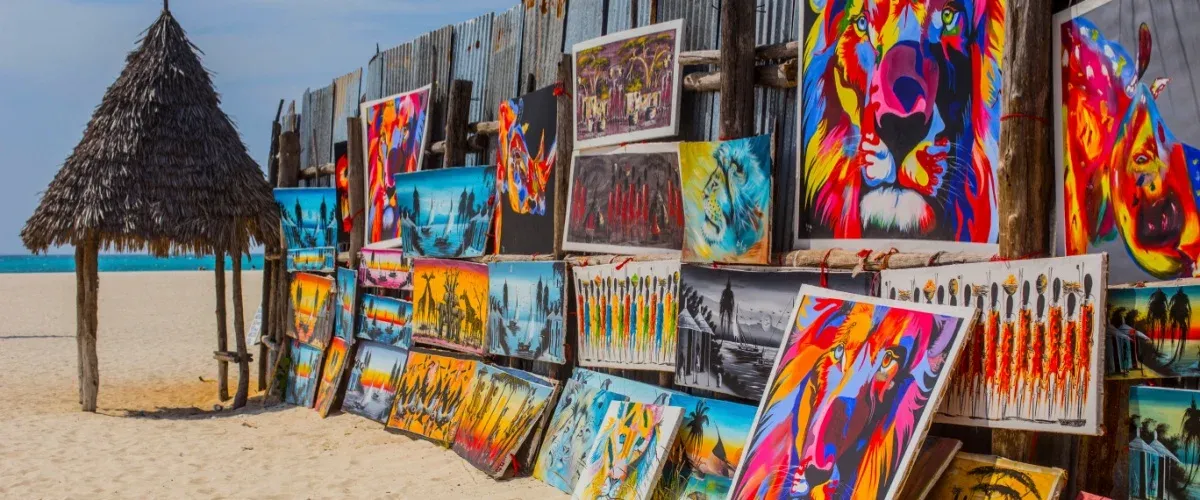
Tanzania offers a shopping experience as diverse and vibrant as its iconic landscapes. This is a place where retail therapy means diving into a sensory-rich world of bustling markets, discovering rare gemstones, and connecting with talented local artisans. The country’s shopping scene is a captivating blend of age-old traditions and modern convenience, from the sprawling, energetic Kariakoo Market to the serene, high-quality craft centers in Arusha. Whether you are hunting for a unique piece of handmade jewelry, a colorful textile, or the perfect Tanzanite stone, the country provides an adventure for every kind of shopper. Read on to explore the ultimate guide to the best shopping in Tanzania, ensuring you bring home more than just memories.
Your Ultimate Guide to Shopping in Tanzania
1. Kariakoo Market
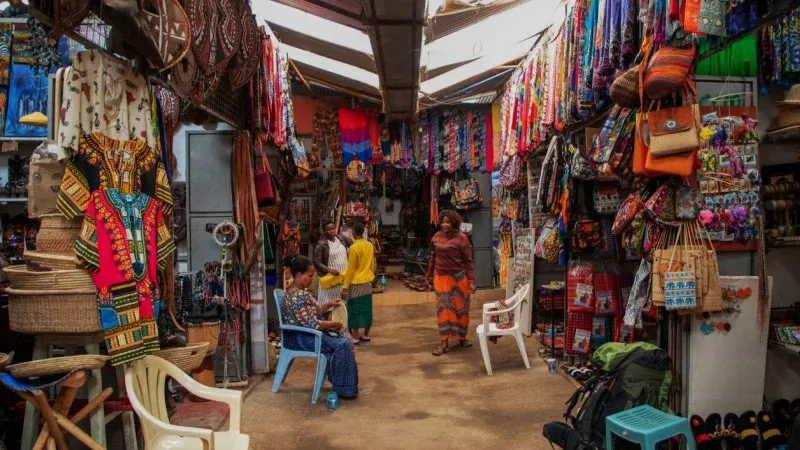
Located in the bustling heart of Dar es Salaam, Kariakoo Market is an overwhelming and exhilarating experience. It is the largest and busiest market in Tanzania, where you can find literally everything, from fresh produce and spices to electronics, clothing, and household goods. The true charm of Kariakoo lies in its sheer scale and authentic local atmosphere. For the best experience, dive into the textile section for vibrant kitenge and Khanga fabrics. Be prepared for crowds and practice your bargaining skills for the best deals.
Visit Hours: 7 AM to 6 PM, Daily
Best Time to Visit: Weekday mornings to avoid crowds
2. The Slipway Shopping Centre
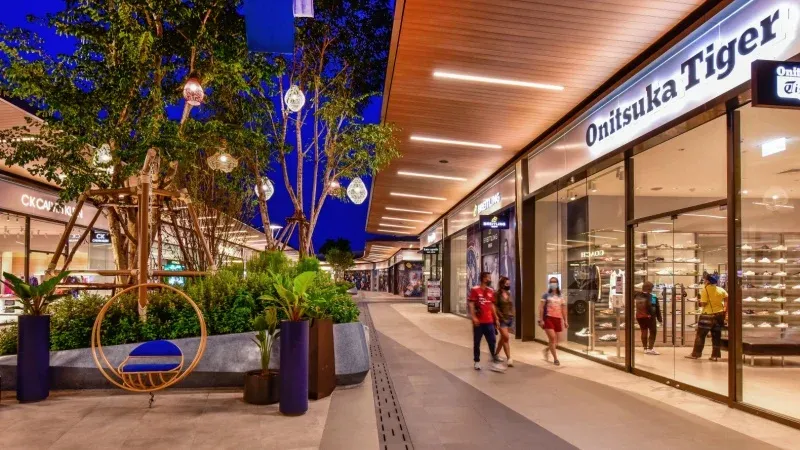
For a more relaxed shopping day, head to The Slipway on the Msasani Peninsula in Dar es Salaam. This beautiful open-air center offers stunning views of the Indian Ocean alongside a collection of boutique shops, art galleries, and craft stores. It is the perfect place to find high-quality souvenirs, stylish clothing, and unique home decor without the hustle of a traditional market. The center also features excellent restaurants and a children's playground, making it a great family destination.
Visit Hours: 9 AM to 7 PM, Daily
Best Time to Visit: Late afternoon for sunset views
Suggested Read: Things to Do in Tanzania: Experience the Wild Beauty of Africa
3. Mwenge Carvers' Market
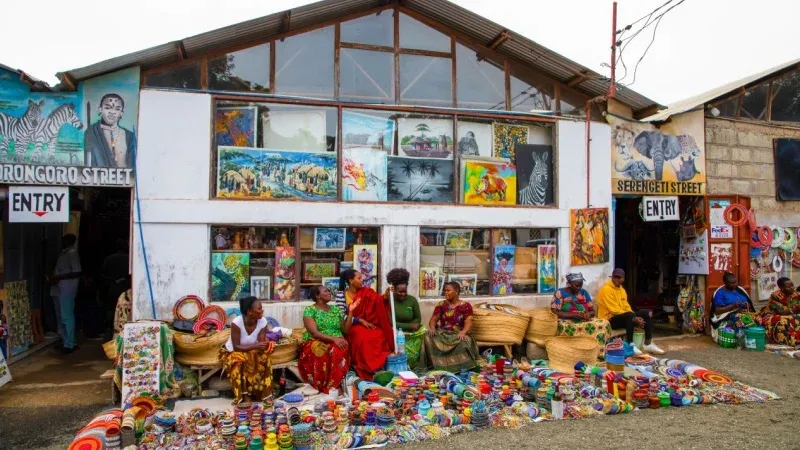
The Mwenge Carvers' Market in Dar es Salaam is a must-visit for anyone interested in authentic Tanzanian craftsmanship. This cooperative market is famous for its vast collection of Makonde carvings, intricate sculptures crafted from ebony wood. You can watch artists at work, chiseling and polishing their creations. Besides sculptures, you will find a variety of wooden masks, bowls, and decorative items. It’s a fantastic place to buy a meaningful souvenir directly from the artisans.
Visit Hours: 8 AM to 6 PM, Daily
Best Time to Visit: Afternoons when artists are active
4. Cultural Heritage Centre
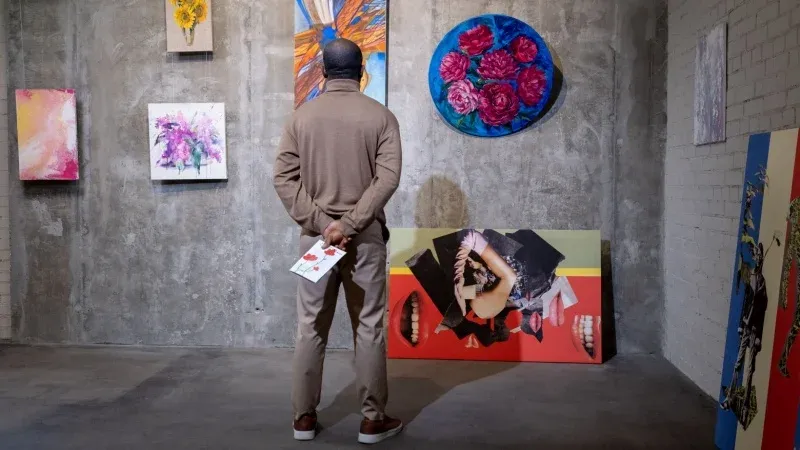
Situated on the outskirts of Arusha, the Cultural Heritage Centre is a premier destination for African art and artifacts. This impressive center features a gallery, museum, and a large shopping emporium dedicated to showcasing the continent's rich cultural history. Here, you can find everything from antique masks and tribal ornaments to contemporary paintings and sculptures. It is particularly renowned for its collection of gemstones, including the rare Tanzanite. The pricing is fixed, ensuring quality and authenticity.
Visit Hours: 8:30 AM to 6 PM, Daily
Best Time to Visit: Any time, allow 2-3 hours
Suggested Read: Top Museums in Tanzania to Discover Culture, History and Art
5. Maasai Market Arusha
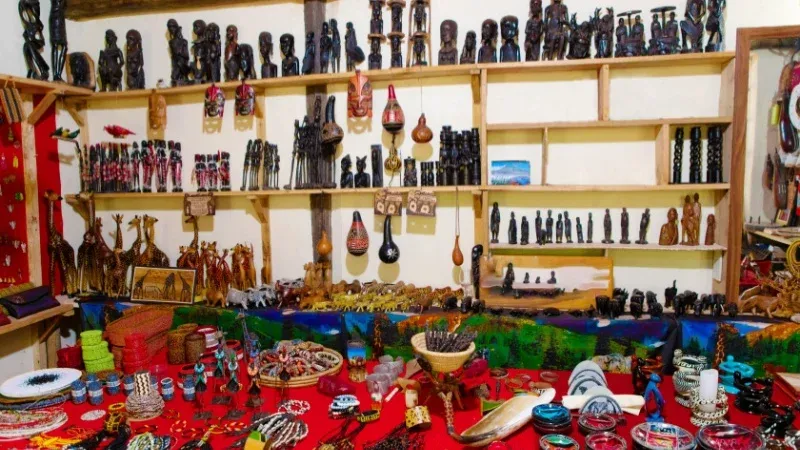
The Maasai Market in Arusha is the go-to spot for vibrant Maasai crafts. Located near the clock tower, this bustling open-air market is filled with vendors selling colorful beaded jewelry, shukas (blankets), sandals, and decorative gourds. The atmosphere is lively, and bargaining is expected, so take your time to browse and negotiate a fair price. It is an excellent place to interact with local sellers and purchase authentic, handmade items that directly support the Maasai community.
Visit Hours: 8 AM to 6 PM, Daily
Best Time to Visit: Mid-day for the best selection
6. The Tanzanite Experience
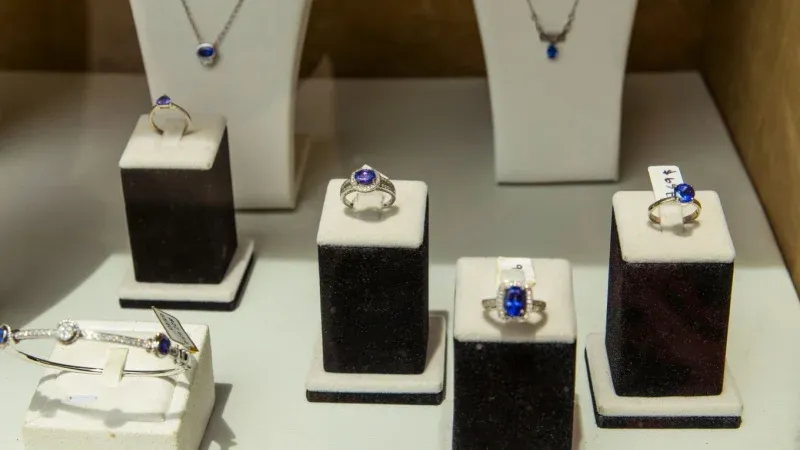
No shopping trip to Tanzania is complete without learning about its most famous export: Tanzanite. The Tanzanite Experience, with branches in Arusha and near Manyara, offers an immersive museum that details the history, mining, and grading of this violet-blue gemstone. Their stores feature a stunning collection of certified Tanzanite jewelry, from elegant pendants to statement rings. It is the most reputable place to purchase this rare gem, ensuring you get a genuine, ethically sourced stone.
Visit Hours: 8:30 AM to 6 PM, Daily
Best Time to Visit: Any time during opening hours
Suggested Read: Iconic Parks and Reserves for an Epic Safari in Tanzania
7. Shanga
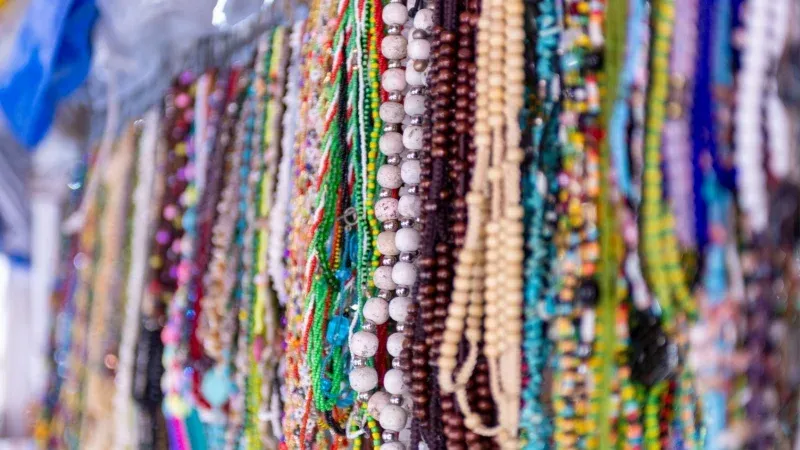
Located at the Arusha Coffee Lodge, Shanga is a social enterprise that employs people with disabilities to create beautiful and unique crafts. Using recycled materials, the artisans produce stunning glassware, beaded jewelry, woven textiles, and metalwork. You can take a tour of the workshops to see the artists in action before browsing the shop. Shopping at Shanga means you are acquiring a beautiful, handmade product while supporting a wonderful and impactful local initiative.
Visit Hours: 9 AM to 5 PM, Daily
Best Time to Visit: Morning or afternoon for workshop tours
8. Memories of Zanzibar

In the heart of Stone Town, Memories of Zanzibar is a fixed-price store that stands out for its high-quality, curated selection of souvenirs. This shop is perfect for those who prefer a calm and organized shopping experience. You’ll find everything from Zanzibar-themed apparel and intricate jewelry to aromatic spices and local art. The products are sourced from all over the island and the mainland, offering a comprehensive taste of the region's craftsmanship in one convenient location.
Visit Hours: 9:30 AM to 8 PM, Daily
Best Time to Visit: Evenings for a relaxed browse
Suggested Read: The Best Places To Visit In South Africa For An Astonishing Diversity
9. Darajani Market
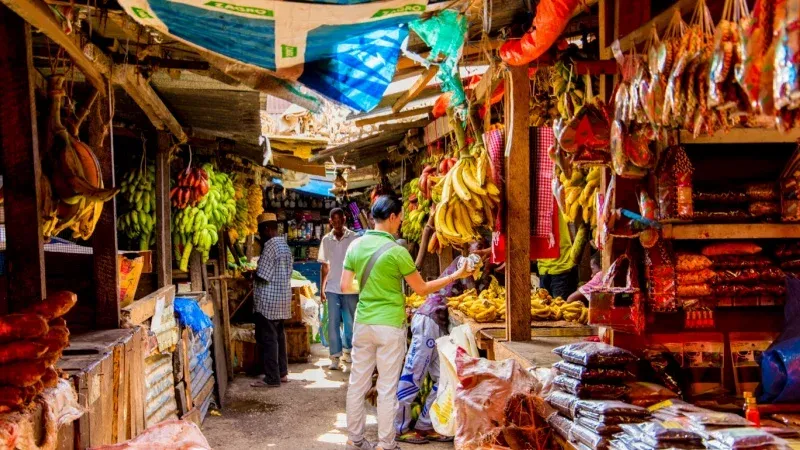
For a truly authentic Zanzibar experience, head to Darajani Market in Stone Town. This is the island's main bazaar, a chaotic and vibrant hub of commerce. The market is divided into sections, including a famous fish auction area, a fresh produce hall, and stalls selling aromatic spices, a specialty of Zanzibar. While it may seem overwhelming, a visit offers a fascinating glimpse into local life. Go early to see the market at its liveliest and to purchase the freshest spices like cloves, cinnamon, and nutmeg.
Visit Hours: 7 AM to 7 PM, Daily
Best Time to Visit: Early morning for the fish auction
10. AIM Mall
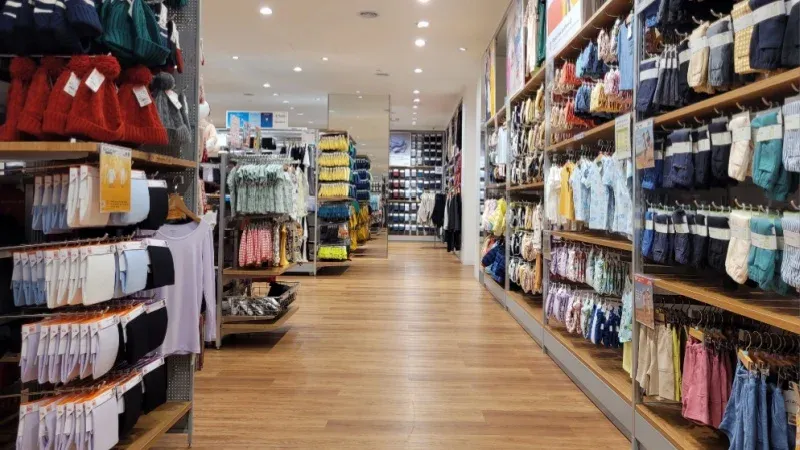
When you need a break from traditional markets, the AIM Mall in Arusha offers a modern shopping experience. As one of the city's first proper malls, it houses a variety of stores, including a large supermarket, electronics shops, clothing boutiques, and a pharmacy. It is a convenient one-stop-shop for travel essentials, snacks, or any modern conveniences you might need. The mall also has a food court with several options for a quick and easy meal.
Visit Hours: 9 AM to 9 PM, Daily
Best Time to Visit: Any time, good for essentials
Suggested Read: Top Places for Unforgettable Shopping in South Africa
Tips for Shopping in Tanzania
- Always carry a mix of cash (Tanzanian Shillings) and cards
- Bargain for all purchases in open-air markets but keep it friendly and lighthearted
- Don’t buy antiques, ivory or animal products without permits
- Compare shops to get a fair idea of cost before buying
- Inspect items carefully, especially jewelry, textiles and carvings.
Shopping in Tanzania is a journey like no other, weaving together culture, art and commerce in a truly memorable way. It’s a destination that caters to every type of traveller. Bargain hunters will revel in the vibrant chaos of local markets, luxury buyers can find rare and precious gemstones, and souvenir seekers will be delighted by the sheer variety of unique, handcrafted goods. Book one of our Tanzania tour packages and get ready to get a perfect piece from this African gem!
FAQs - Shopping in Tanzania
Prices depend on quality and where you shop. A small Maasai beaded piece may cost a few dollars locally, while a large Makonde sculpture could run hundreds at a gallery. Always consider craftsmanship and be ready to pay fairly for quality.
Yes, bargaining is common and expected in open-air markets and with street vendors. It is part of the shopping culture, so engage with a friendly attitude. In formal stores, malls, and established galleries like the Cultural Heritage Centre, prices are fixed.
Major markets are generally safe during the day, but they can be very crowded. As with any busy area, solo travelers should remain aware of their surroundings, keep valuables secure, and avoid carrying large amounts of cash. It is best to visit during daylight hours.
Cash, specifically the Tanzanian Shilling, is king in local markets and with smaller vendors. Larger hotels, high-end shops and malls will accept major credit cards. It is always best to carry a mix of both to be prepared for any situation.
Tanzania charges 18% VAT. Tourists can claim a refund from licensed shops by showing the invoice and goods to customs at the airport when leaving.
For vibrant textiles like kitenge and khanga, visit Kariakoo Market in Dar es Salaam. For contemporary African fashion, check The Slipway in Dar es Salaam and shops in Stone Town, Zanzibar.
Yes, you need a special permit from the Ministry of Natural Resources and Tourism for exporting antiques, animal products such as ivory or shells, and certain artifacts. Do not purchase these items to avoid legal issues.
Tanzania is conservative, especially in coastal areas and Zanzibar. Wear clothes covering shoulders and knees at markets. Malls are more liberal, but modest dress is always appreciated.
.jpg)