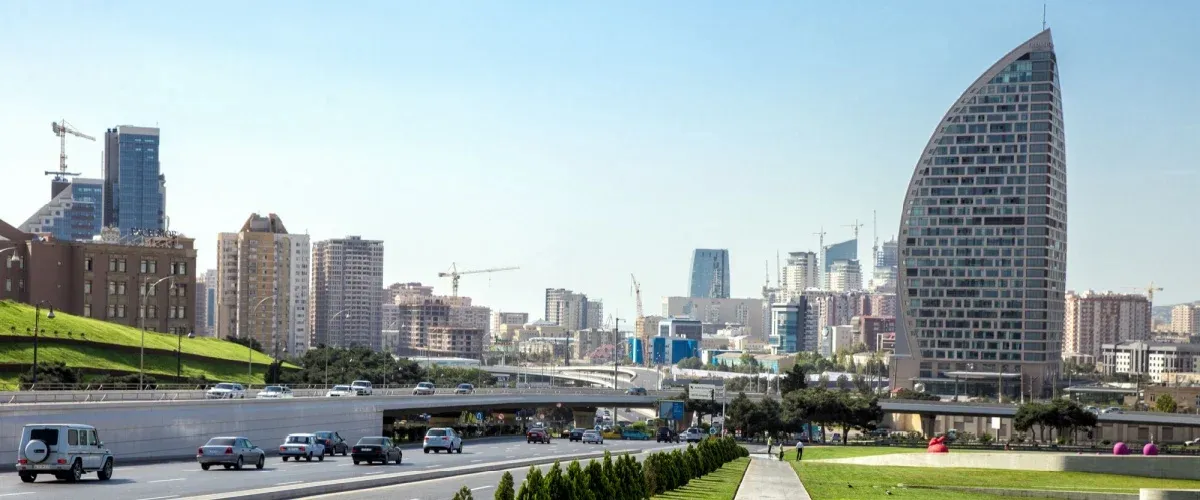
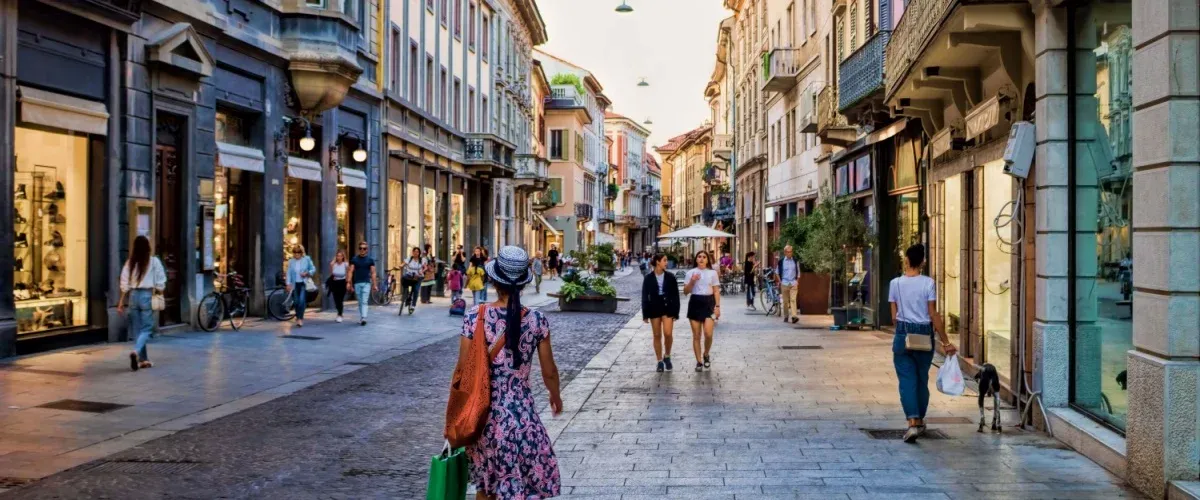
Italy is a country known for its style, tradition, and craftsmanship. Shopping in Italy is an experience that blends luxury fashion, local markets, and artisanal creations. In Milan, you can explore world‑famous designer stores and high‑end boutiques. Rome offers historic streets lined with charming shops and open‑air markets. Florence is famous for leather goods, gold jewelry, and handmade crafts. Across the country, outlet malls give great deals on designer brands. Local markets sell fresh produce, wine, and traditional food products. From luxury fashion to unique souvenirs, you can buy a range of different products. Recognized as the fashion capital of the world, the country offers plethora options for shopping apparels. Here in this specific blog, we have mentioned some of the best shopping destinations of Italy.
Top 10 Shopping Destinations in Italy for Fashion & Crafts
1. Galleria Vittorio Emanuele II, Milan
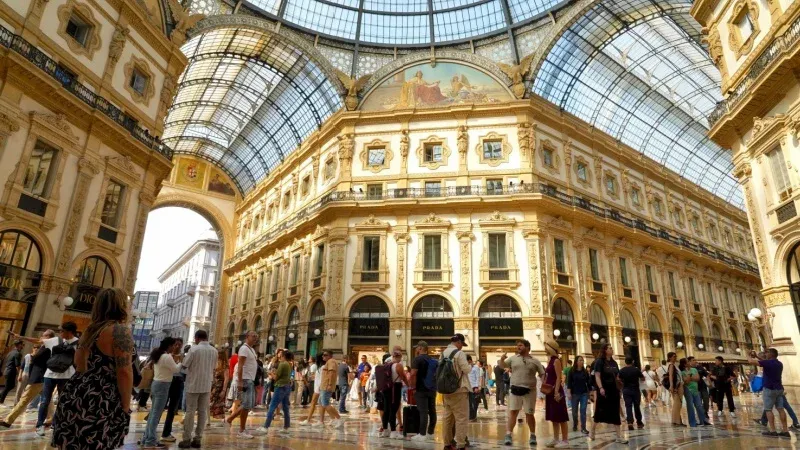
Located in the heart of Milan, next to the Duomo, this is one of the world’s oldest and most beautiful shopping malls. Housed under a magnificent 19th-century glass and iron dome, a visit here is as much about architecture as it is about retail therapy. It's home to some of Italy’s most famous luxury brands like Prada, Gucci, and Versace. Beyond the flagship stores, you can find high-end jewelers, art galleries, and historic cafes like Biffi Caffè. The best activity is window shopping followed by an aperitivo.
Visiting Hours: Open 24 hours, though individual store times vary (typically 10:00 AM to 7:30 PM).
2. Quadrilatero Della Moda, Milan
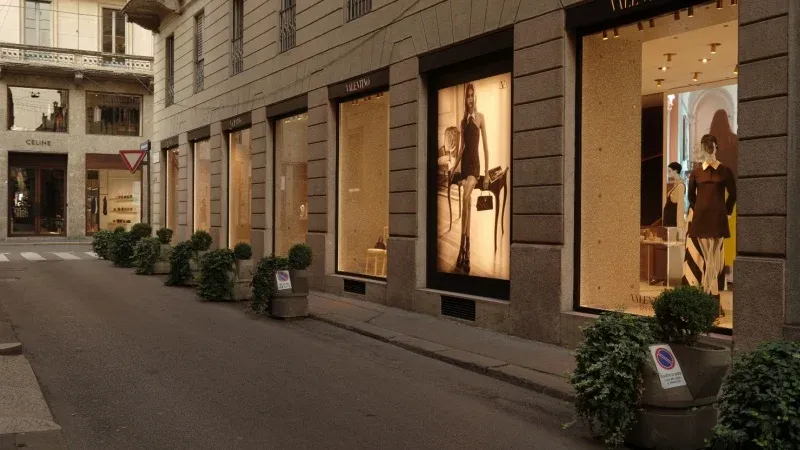
Quadrilatero della Moda in Milan is one of the most famous fashion districts in the world. It is made up of elegant streets like Via Montenapoleone, Via della Spiga, Via Sant’Andrea, and Via Manzoni. Here, you will find flagship stores of top Italian and international designers. Luxury brands such as Gucci, Prada, Versace, and Armani have their boutiques here. The area is known for its stylish window displays and high‑end shopping experience. Even if you are not buying, it’s worth visiting to see the latest fashion trends and enjoy the atmosphere. Many cafes and restaurants are nearby, making it a pleasant place to stroll. It is a must‑visit for fashion lovers in Milan, whether for shopping or simply exploring the heart of Italian style.
Visiting Hours: 10:00 AM to 7:00 PM (All Days)
Suggested Read: Top Things To Do In Italy For A Kickass Experience
3. Via del Corso, Rome
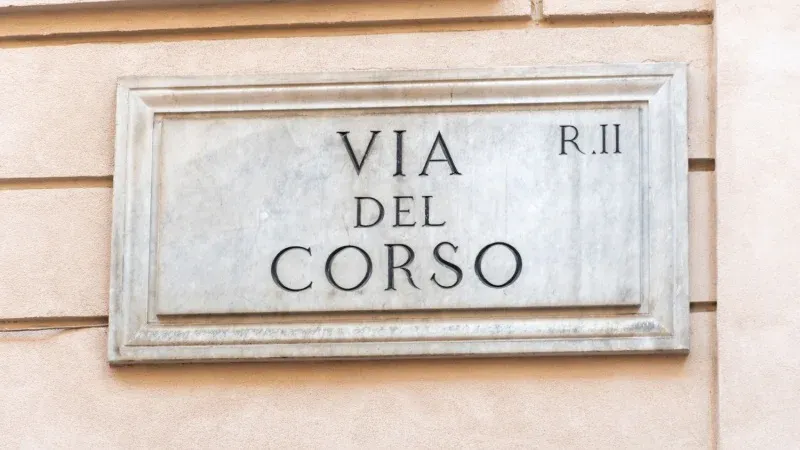
Stretching from Piazza Venezia to Piazza del Popolo, this bustling street is Rome’s main shopping artery. It offers a fantastic mix of international high-street brands like Zara and H&M, alongside popular Italian chains and department stores. It’s the perfect place for accessible fashion, footwear, and cosmetics. The street is often crowded, especially on weekends, creating a vibrant atmosphere. For a less hectic experience, try shopping on a weekday morning. The sheer variety makes it a convenient one-stop-shop for updating your wardrobe without the luxury price tag
Visiting Hours: 10:00 AM to 8:00 PM (All Days)
4. Via Condotti, Rome
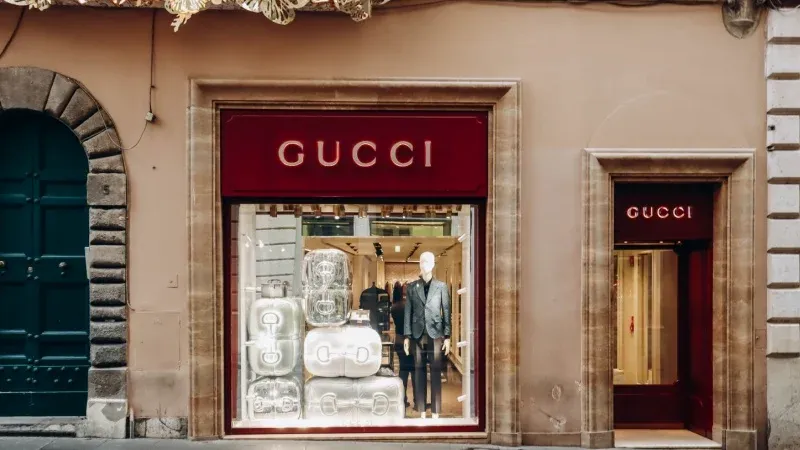
Via Condotti in Rome is one of the city’s most elegant shopping streets. It is located near the Spanish Steps and is famous for its luxury boutiques. Here, you will find flagship stores of brands like Bulgari, Gucci, Prada, and Valentino. The street is a symbol of high‑end fashion and Italian elegance. Many visitors come to shop, while others simply enjoy walking past the beautiful window displays. The area also has charming cafes where you can take a break and watch the lively atmosphere. Via Condotti is not only a place to buy designer items but also a part of Rome’s cultural charm. It is a must‑visit for anyone who loves fashion and style while exploring the city.
Visiting Hours: 10:00 AM to 7:30 PM (All Days)
Suggested Read: Best Places To Visit In Italy For A Breathtaking Vacation
5. San Lorenzo Market, Florence
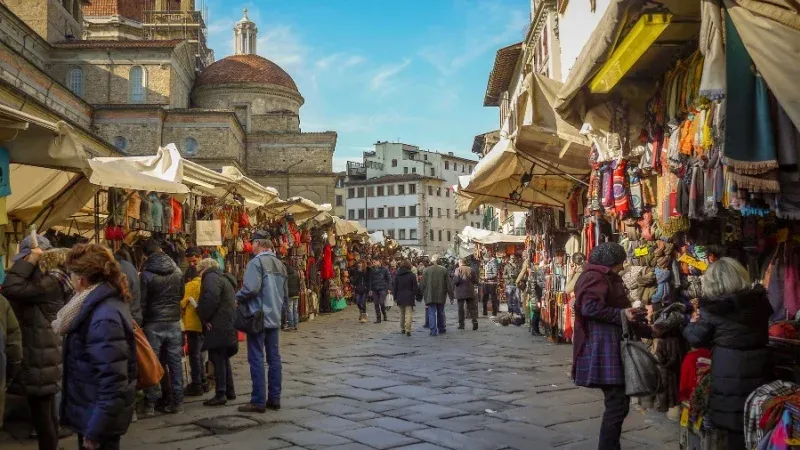
San Lorenzo Market in Florence is one of the city’s most popular shopping spots. It is known for its mix of outdoor stalls and the indoor Mercato Centrale. Outside, you will find vendors selling leather goods, scarves, clothing, and souvenirs. This is a great place to shop for Florentine leather products at various prices. Inside the Mercato Centrale, you can explore fresh produce, cheeses, cured meats, and other local food specialties. The market is lively and colorful, attracting both locals and tourists. Bargaining is common at the outdoor stalls, so you might get good deals. San Lorenzo Market is not just a place to shop but also a way to experience Florence’s local life and flavors. It is a must‑visit for those looking for authentic products and a vibrant atmosphere in the heart of the city.
Visiting Hours: 9:00 AM to 7:00 PM & Mercato Centrale 9:00 AM to 12:00 AM (All Days)
6. Ponte Vecchio, Florence
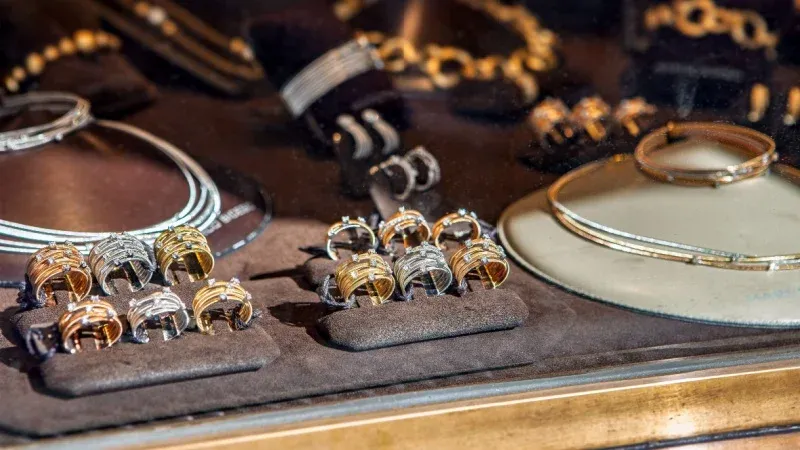
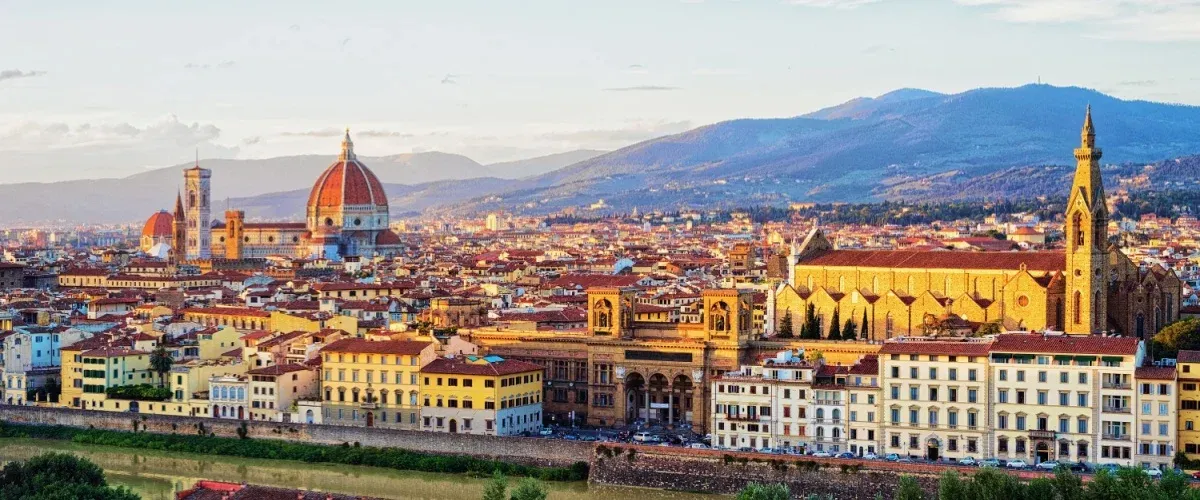
Ponte Vecchio in Florence is one of the city’s most famous landmarks and a unique shopping spot. This historic bridge, dating back to medieval times, is lined with small shops built along its sides. Today, most of these shops sell jewelry, gold, and precious stones, making it a popular place for fine jewelry shopping. You can also find art dealers and souvenir shops. Walking across the bridge offers beautiful views of the Arno River and the city’s historic buildings. The atmosphere is lively, with a mix of tourists, locals, and street performers. Whether you are looking for a special piece of jewelry or simply want to enjoy a walk, Ponte Vecchio is a must‑visit when exploring the city.
Visiting Hours: 10:00 AM to 7:00 PM (All Days)
Suggested Read: Islands In Italy: Most Beautiful Italian Coastlines You Can Explore
7. Via de' Tornabuoni, Florence
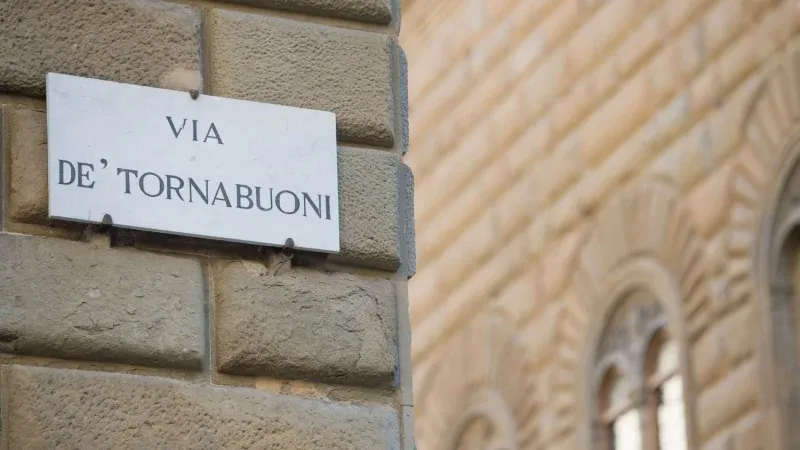
Via de' Tornabuoni in Florence is the city’s most elegant shopping street, known for its luxury fashion and high‑end boutiques. Here, you’ll find flagship stores of famous Italian brands like Gucci, Salvatore Ferragamo, and Prada, along with international designers. The street is also home to historic buildings and beautiful Renaissance architecture, adding charm to the shopping experience. Even if you’re not planning to buy, it’s worth strolling along to admire the most stylish shopping displays. Along with enjoying shopping, tourists also visit to nearby cafes and landmarks in Florence’s city center. Via de' Tornabuoni is a must‑visit for fashion lovers and anyone wanting to see the best of Italian style.
Visiting Hours: 10:00 AM to 7:30 PM (All Days)
8. Le Mercerie, Venice
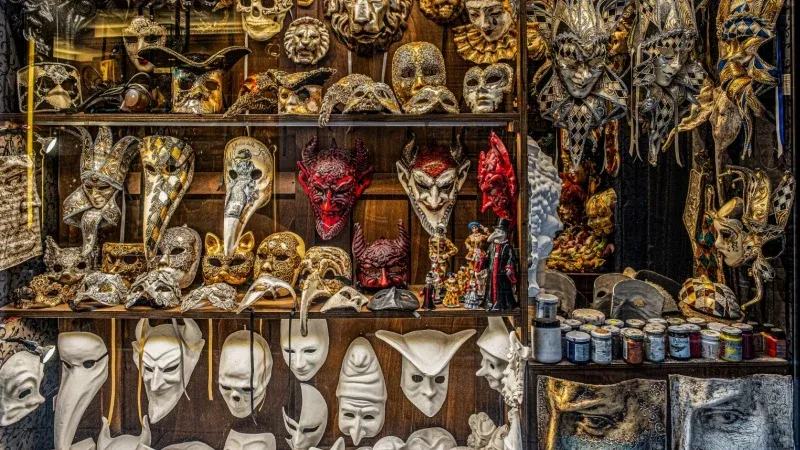
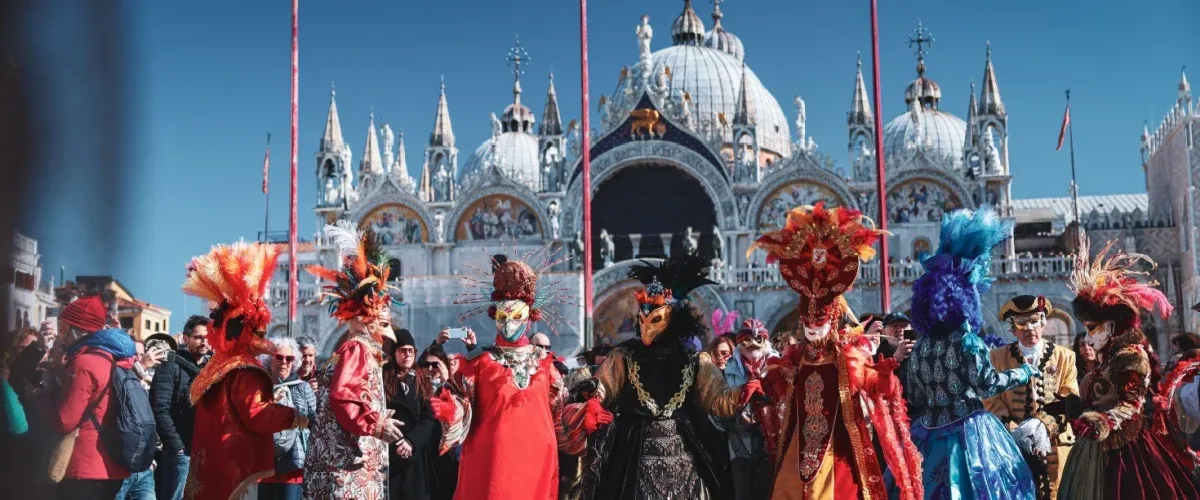
Le Mercerie is one of Venice’s most famous shopping streets, stretching between St. Mark’s Square and the Rialto Bridge. It is lined with a combination of luxury boutiques, international brands, and small shops selling Venetian crafts. Here, you can buy high‑end fashion, jewelry, accessories, and beautiful souvenirs like Murano glass and handmade masks. The narrow streets are always lively with shoppers and tourists, making it a vibrant place to explore. Its central location makes it easy to combine a shopping trip with sightseeing in Venice. Le Mercerie is the perfect spot to enjoy both modern style and traditional Venetian charm.
Visiting Hours: 10:00 AM to 7:30 PM (All Days)
Suggested Read: Beaches In Italy: Discovering The Best Ocean View In Europe
9. Rialto Market, Venice
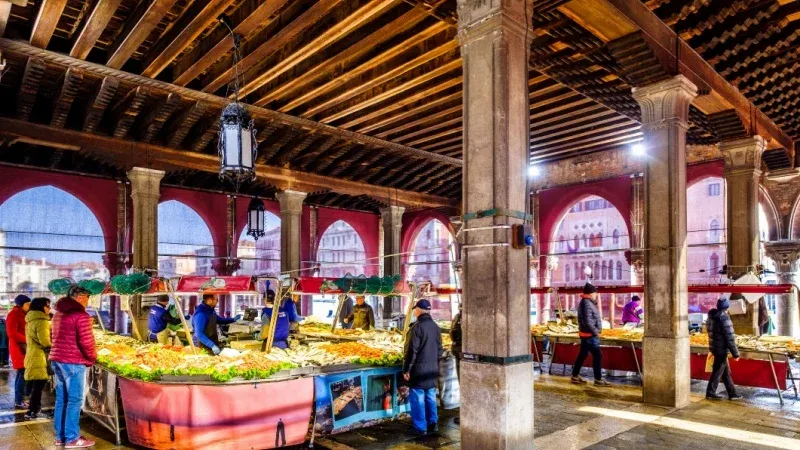
Rialto Market is one of Venice’s oldest and most famous markets, located near the Rialto Bridge along the Grand Canal. It has been a key trading spot for centuries, serving locals and visitors alike. The market is best known for its fresh produce, seafood, and spices, with colorful stalls displaying seasonal fruits, vegetables, and fish caught from the lagoon. In addition to food, nearby shops sell Venetian specialties and souvenirs. Mornings are the best time to visit, as the market is most lively then. Rialto Market offers a glimpse into everyday life in Venice and is a great place to experience its local flavors.
Visiting Hours: 10:00 AM to 1:30 AM (Tuesday to Sunday), Monday Closed
Suggested Read: Airports In Italy That Every Traveler Should Be Aware Of
10. Via Toledo, Naples
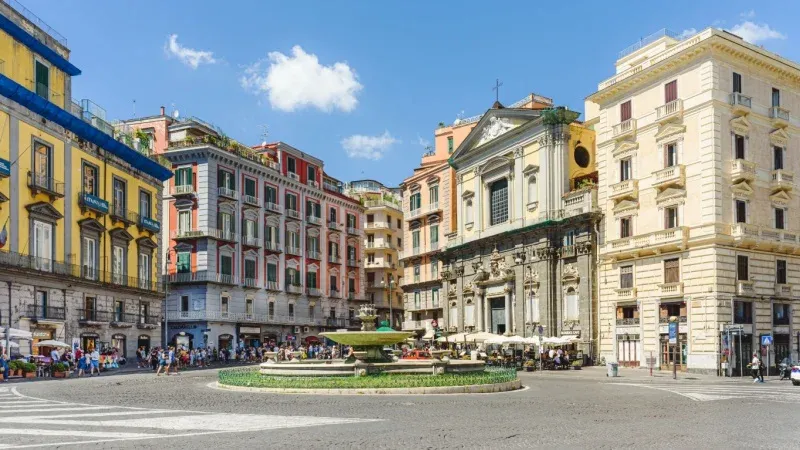
Via Toledo is one of Naples’ main shopping streets, stretching from Piazza Dante to Piazza Trieste e Trento near the Royal Palace. It is a lively area lined with a mix of international brands, local boutiques, cafes, and historic buildings. Shoppers can find fashion, footwear, accessories, and souvenirs while enjoying the vibrant street atmosphere. The nearby Galleria Umberto I adds to the charm with its beautiful architecture and more shopping options. Via Toledo is also close to cultural sites, making it easy to combine shopping with sightseeing. It’s a popular spot for both locals and tourists, offering a true taste of Naples’ urban life.
Visiting Hours: 10:00 AM to 8:00 PM (All Days)
Things to Know Before Exploring Shopping in Italy
- Most shops open from 9:00 AM to 7:30 PM, with a lunch break from around 1:00 PM to 3:30 PM in smaller towns.
- Major cities and tourist areas often have shops open all day without a break.
- Sales seasons usually happen twice a year: winter sales in January–February and summer sales in July–August.
- VAT (Value Added Tax) is included in prices. Tourists from outside the EU can claim a tax refund on eligible purchases.
- Credit and debit cards are widely accepted, but small shops and markets may prefer cash.
- Bargaining is not common in regular stores but may be possible in street markets.
- Local products like leather goods, ceramics, wine, and handmade crafts are popular souvenirs.
- Designer outlets across Italy offer luxury brands at discounted prices.
- Sundays are a rest day for many small shops, but large malls often remain open.
Final Thoughts
Italy offers a shopping experience that blends tradition with modern style. Shopping in Italy means exploring both luxury fashion streets and small artisan workshops. You can find handmade leather goods, fine jewelry, local wines, and unique crafts in every region. From famous designer districts in Milan and Rome to lively street markets in Florence, Venice, and Naples, there is something for every taste and budget. To truly experience Italy’s shopping culture, take time to explore beyond the main areas. Visit small shops, talk to local artisans, and discover items that reflect the country’s history and creativity. Whether you’re looking for exclusive designer shopping or handmade products, Italy’s diverse shopping scene ensures you leave with something memorable.
Shopping in Italy - FAQ’s
In high-end boutiques, department stores, and shops with clearly marked prices, bargaining is not practiced. However, in outdoor markets like Florence's San Lorenzo or Rome's Porta Portese, you can politely try to negotiate for a small discount, especially if you are buying multiple items.
Major credit and debit cards are widely accepted in most shops, hotels, and restaurants. However, it is always a good idea to carry some cash (Euros) for smaller purchases, market stalls, and small independent shops, especially in less touristy areas.
If you are a non-EU resident, you can claim a VAT refund on purchases over a certain amount (the threshold can vary). Look for a "Tax-Free Shopping" sign in the store window and ask the cashier for the necessary form. You must get the form stamped by customs at the airport before you leave the EU.
Major city markets are generally safe for solo travelers, but like any crowded place, it's important to be aware of your surroundings. Keep your belongings secure, be mindful of pickpockets, and stick to well-lit areas. The overall atmosphere is usually friendly and welcoming.
Italians value a good appearance ("la bella figura"), so smart-casual is always a good choice. In malls and city shops, dress comfortably and stylishly. When visiting markets that may be near churches or religious sites, it's respectful to have your shoulders and knees covered.
Florence is world-famous for its high-quality leather goods. The San Lorenzo Market and the streets around Santa Croce are excellent places to find leather jackets, bags, and accessories. Always check for the 'Made in Italy' label to ensure authenticity.
Yes, Italy has strict laws to protect its cultural heritage. Items older than 50 years may require a special export license. If you are purchasing valuable antiques or artwork, always buy from a reputable dealer who can provide the correct documentation for export.
Prices vary widely based on the item and the region. A small, hand-painted ceramic piece from the Amalfi Coast might cost €15-€30, while a Murano glass vase from a master artisan in Venice could be several hundred euros or more. Quality and authenticity significantly influence the price.