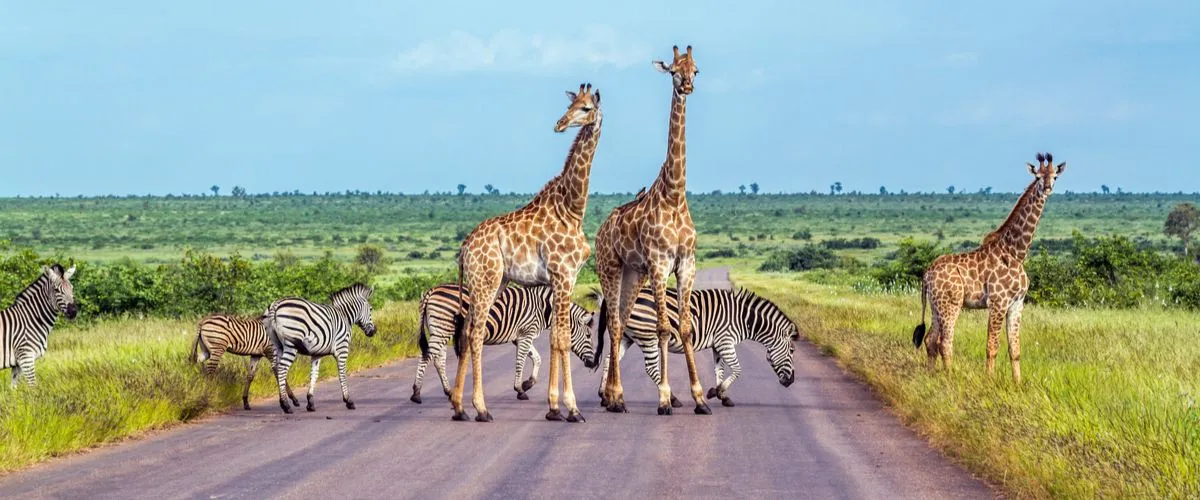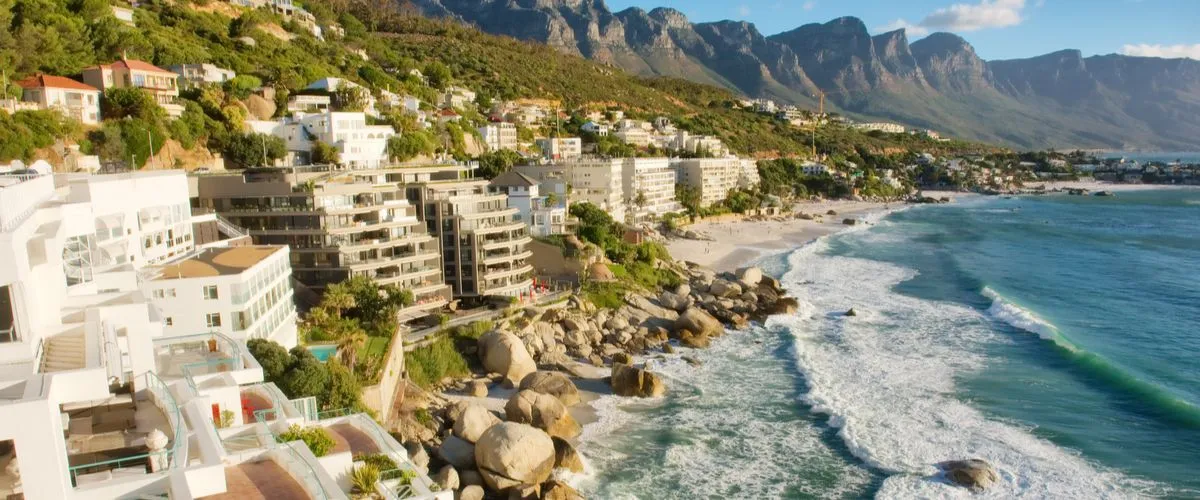
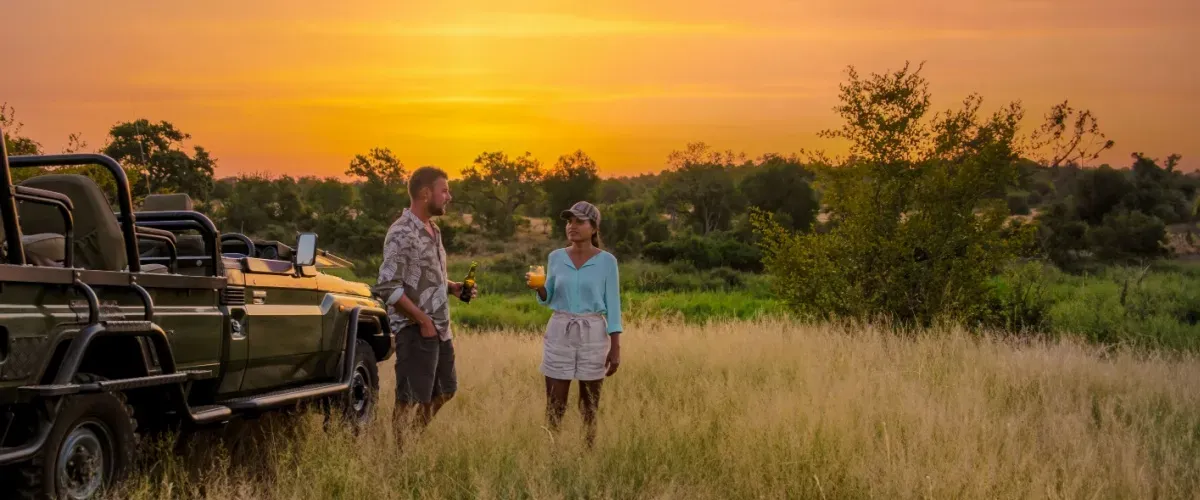
Ever wondered what it feels like to watch a lion yawn at sunrise or hear elephants rumbling through the bush just a few meters away? If a safari in South Africa is not already on your bucket list, it should be! South Africa is home to incredible landscapes and some of the world’s best game reserves with the iconic ‘Big Five’. Whether you are looking forward to thrilling 4x4 drives, spotting leopards on a lazy afternoon, or sipping sundowners as giraffes stroll past, a South African safari offers it all. The best part? You don’t need to be an expert adventurer. There are safaris for every travel style, from luxury lodges to family-friendly camps. Ready for a wildlife adventure in South Africa?
11 Must-visit Wildlife Reserves and Parks for Safari in South Africa
Given below is the list of top national parks and wildlife reserves where you can enjoy thrilling safari adventures in South Africa:
1. Kruger National Park
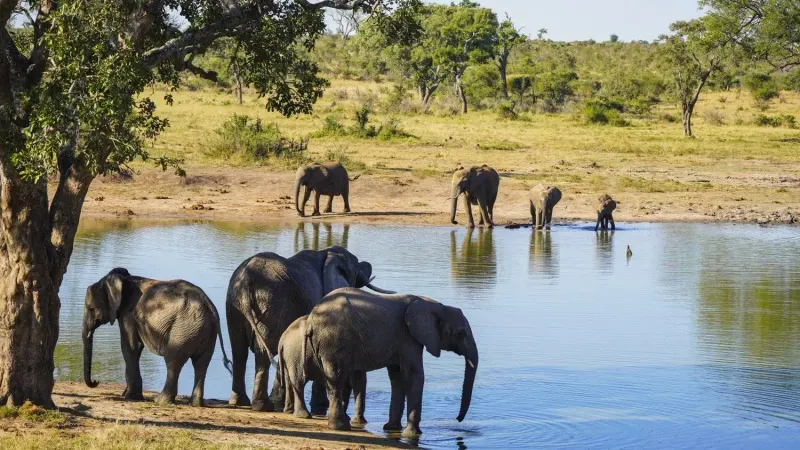
Kruger National Park needs no introduction! Established in 1926, this South African wildlife reserve is one of the greatest destinations to visit for safari adventures. Spanning nearly 20,000 square kilometers, Kruger is known for rich biodiversity and an impressive array of landscapes. It is home to 150 species of mammals, including the legendary Big Five animals (lion, leopard, rhino, elephant, and buffalo), 500 varieties of birds, and 100 kinds of reptiles. Game drives at sunrise and sunset are especially magical as you can see predators actively hunt for the prey. Visitors can go on guided walks, self-drive safaris, or even sleep under the stars in luxury tented camps.
Visiting Hours: 6 AM to 6 PM, Daily (Seasonal)
Best Time to Visit: May to September (Dry Season)
Tips for Visiting Kruger National Park:
- Arrive at the park gates early before sunrise for the best chance to see the Big Cats
- Download the official Kruger app for real-time wildlife sightings and up-to-date road information
- Stay inside the park for night drives as bush walks are not available to day visitors
- Choose lesser-known rest camps like Satara or Lower Sabie for more wildlife action and fewer crowds
2. Sabi Sands Game Reserve
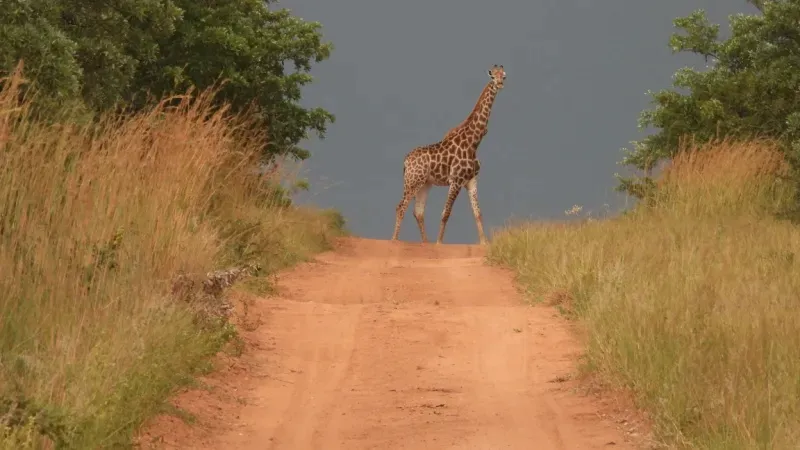
Located on the western border of Kruger National Park, Sabi Sands Game Reserve is another exclusive safari destination in South Africa. The reserve is known for its intimate wildlife sightings, especially the ‘Big Five’ animals (lions, leopards, rhinos, elephants, and buffalo) in their natural habitats. It is majorly recognized as the best places in Africa to spot leopards. The reserve was established by local landowners in 1948 for the preservation of wildlife and covers an area of 650 square kilometers. Moreover, it features small but luxurious lodges that offer a safe, peaceful stay experience in the wilderness.
Visiting Hours: 5 AM to 10 PM, Daily
Best Time to Visit: June to October
How to Make the Most of Your Visit to Sabi Sands Game Reserve:
- Book your stay at least six months in advance, as lodges fill up quickly, especially in dry season
- Request a private vehicle for exclusive, unhurried animal sightings
- Indulge in a bush dinner or sundowner experience for unforgettable sunsets and gourmet food
- Tip your tracker and guide at the end of your stay
Suggested Read: The Best Places To Visit In South Africa For An Astonishing Diversity
3. Pilanesberg National Park
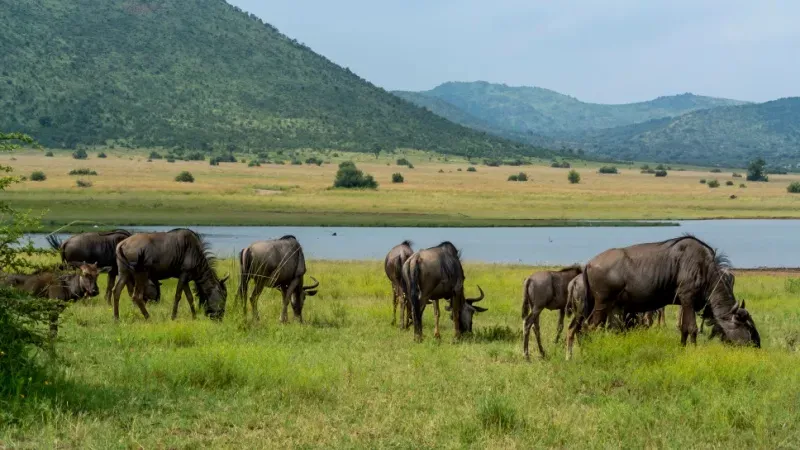
Just a three-hour drive from Johannesburg, Pilanesberg National Park is a premier game reserve located in an extinct volcanic crater in South Africa. Founded in 1984, the park is famous for its diverse landscapes, ranging from grassland to rocky outcrops. With an area of 550 square kilometers, it is the fourth largest wildlife reserve in the country. It is home to over 7,000 animals and 360 species of birds. Here, visitors can see the Big Five animals ((lions, leopards, elephants, rhinoceroses, and buffalo) as well as the Little Five (elephant shrew, antlion, rhinoceros beetle, buffalo weaver, and leopard tortoise). You can explore Pilanesberg by self-driving, guided tours, or even take hot air balloon rides over the vast landscape.
Visiting Hours:
- November to February – 5:30 AM to 7 PM
- March to April and September to October – 6 AM to 6:30 PM
- May to August – 6:30 PM to 6 PM
Best Time to Visit: May to September
Insider Tips for Safari in Pilanesberg National Park:
- Pilanesberg is a malaria-free destination, making it perfect for families with children
- Visits after summer rains (May to September) offer clearer views and great wildlife concentrations
- Combine your safari with a day at Sun City for adventure activities or waterpark fun
- Look for the tsessebe and sable antelope on the western side of the park
4. Madikwe Game Reserve
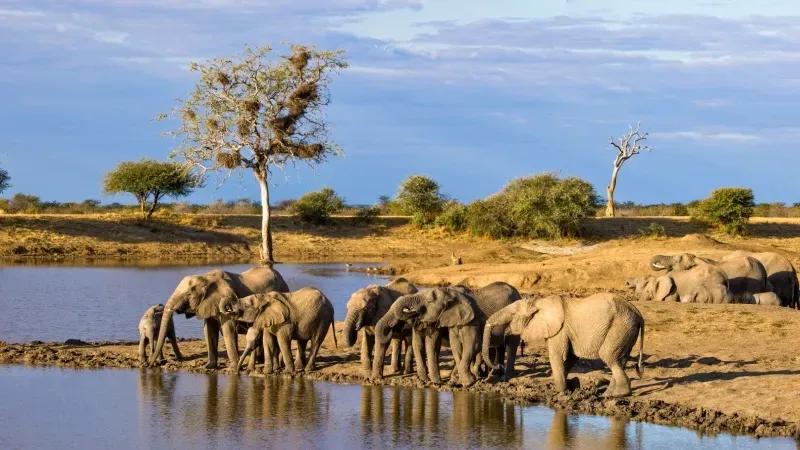
Situated very close to the border with Botswana, Madikwe Game Reserve is a large wildlife park known for thrilling game drives in South Africa. It spans across 750 square kilometers and features open plains, woodlands, and hills. The reserve is home to the ‘Big Five’ (lion, elephant, buffalo, leopard, and rhino), wild dogs, giraffe, zebra, many antelope, and over 300 species of birds. It was established in 1994 and is a malaria-free destination, which makes it popular among families seeking safari adventure in South Africa. Moreover, there are several lodges and camps that welcome guests and provide meals, comfortable rooms, and safari trips.
Visiting Hours: 6 AM to 6 PM, Daily
Best Time to Visit: March to October
Things to Do in Madikwe Game Reserve:
- Track wild dogs with rangers for a thrilling behind-the-scenes conservation experience
- Go on a night game drive to enjoy chances to spot aardvarks and bushbabie
- Let your children indulge in various programs and junior ranger activities at the lodge
- Visit a local village for to learn about Tswana culture and traditions
Suggested Read: Top Hotels In South Africa For Your Next Great Escape To The Country
5. Addo Elephant Park
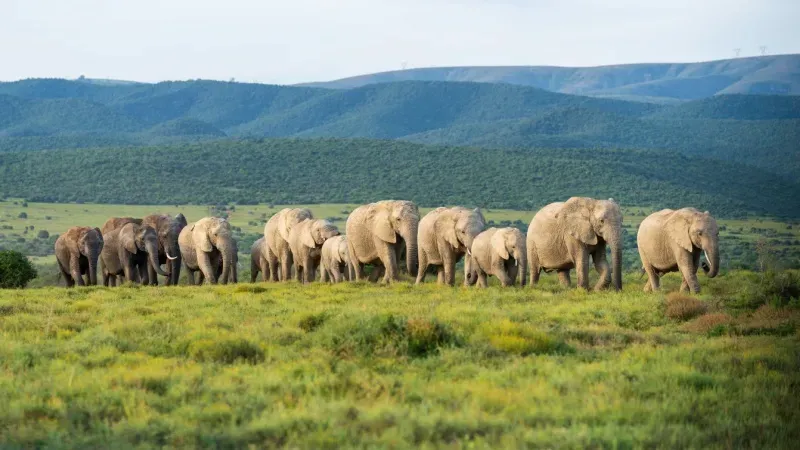
An hour’s drive from Port Elizabeth, Addo Elephant National Park in Eastern Cape is the go-to place to see mighty African elephants. Established in 1931, this park initially started as a sanctuary for just 11 elephants and now protects more than 600 of these mighty creatures. Additionally, it is home to lions, buffalos, black rhinos, and the rare flightless dung beetle. The park has several picnic spots, rest camps, and places to stay the night. Addo Elephant National Park is malaria-free, which makes it a perfect option for families and first-time visitors.
Visiting Hours:
- Summer – 7 AM to 6 PM
- Winter – 7 AM to 5:30 PM
Best Time to Visit: June to September
Tips for Safari in Addo Elephant National Park
- Take the off-the-beaten-track Zuurberg section for rare mountain scenery and fewer crowds
- Stay until late afternoon to watch elephants gather at waterholes as the sun sets
- Follow speed limits as animals like lions and buffalo may cross the road
- Check out the local citrus markets in the Addo region for fresh produce and snacks
6. Hluhluwe–Imfolozi Park
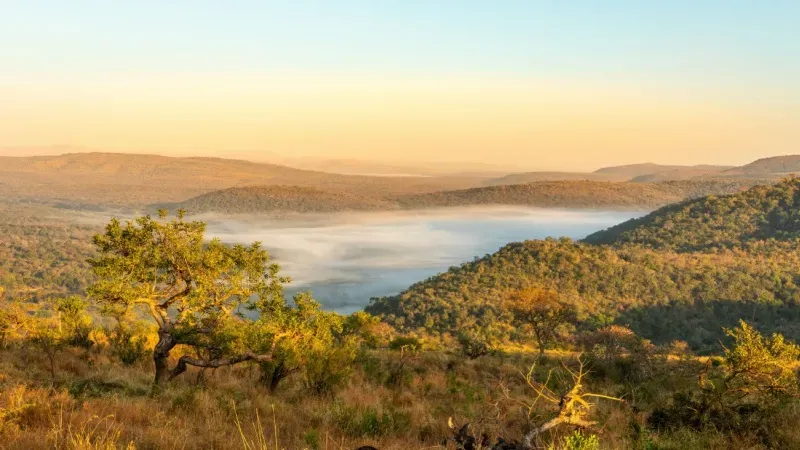
Formed in 1895, Hluhluwe–Imfolozi Park is the oldest game reserve in Africa. It boasts a mix of hills, open grasslands, and thick bush, which makes it one of the most beautiful places for a safari in South Africa. The park covers about 960 square kilometers and is famous for rhino conservation, particularly the endangered white rhino. Visitors can also see animals like black rhinos, lions, elephants, buffalo, leopards, giraffes, zebras, wild dogs, and over 400 species of birds. Go on a guided tour to see the animals or enjoy driving through the park on your own.
Visiting Hours: 5 AM to 6 PM, Daily (varies by weather)
Best Time to Visit: May to September
How to Make the Most of Your Visit to Hluhluwe–Imfolozi Park:
- Join a rhino tracking walk to support anti-poaching efforts
- Stop at Hilltop Camp for breakfast with amazing views over the park
- Visit the nearby Zulu cultural village and watch a traditional dance performance
- Enjoy spotting herds of nyala and waterbuck around the rivers at dawn
Suggested Read: Where To Stay In South Africa: A Sight Of The Finest Locations And Hotels
7. Shamwari Private Game Reserve
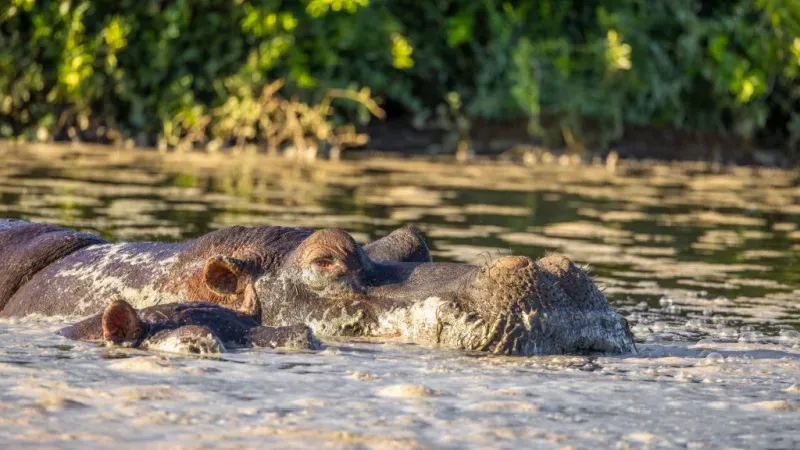
Situated in Eastern Cape, Shamwari Private Game Reserve is one of the leading private wildlife reserves in South Africa. The reserve covers about 250 square kilometers and is home to the ‘Big Five’ animals. Shamwari is recognized for its contribution in wildlife conservation and for providing comfortable safari experiences since 1992. Visitors stay in luxury lodges and go on guided game drives to see animals in their natural habitat. The reserve also has special centers where you can learn about animal rescue and conservation efforts.
Visiting Hours: 24/7
Best Time to Visit: June to September
Activities to Try in Shamwari Private Game Reserve:
- Visit the Born Free Big Cat Sanctuary, home to 16 rescued lions and leopards
- Take part in a wildlife rehab or anti-poaching workshop
- Enjoy kids-friendly safari programs and child-minding for parents
- Stay in one of the eco-lodges for the greenest safari experience
8. Kgalagadi Transfrontier Park
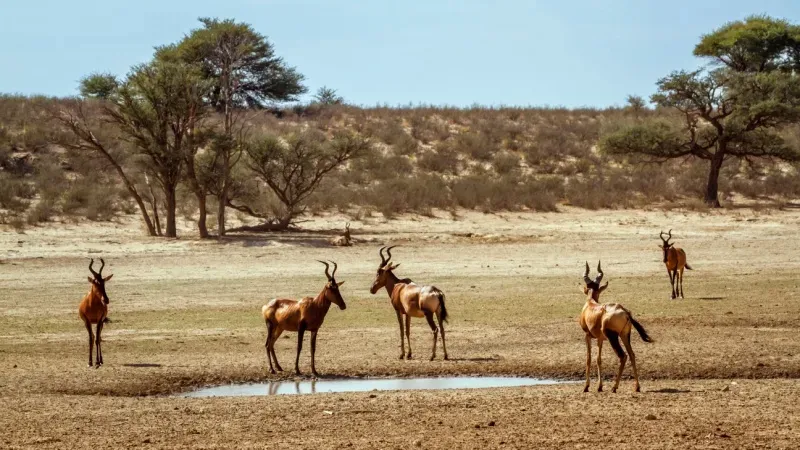
Kgalagadi Transfrontier Park is a large wildlife park in northern part of South Africa, which was founded in 1931 for conservation and protection of wildlife. Stretching over 37,000 square kilometers, the park features red sand dunes, dry riverbeds, and open landscapes. Here, visitors can see 59 species of mammals and over 300 varieties of birds. Popular animals to spot in Kgalagadi Transfrontier Park are black-maned lions, cheetahs, leopards, and large herds of springbok, gemsbok, hyenas and wildebeest. There are few trees and little water, so most of the animals in the park can be seen around the dry riverbeds.
Visiting Hours:
- November to February – 5:30 AM to 6:30 PM, Daily
- March and October – 5:30 AM to 6 PM, Daily
- May to July – 6 AM to 5:30 PM, Daily
- April, August & September – 6 AM to 6 PM, Daily
Best Time to Visit: May to September
Tips for Visiting Kgalagadi Transfrontier Park:
- Travel in a 4x4 vehicle to easily explore rougher tracks and remote camps
- Plan an overnight stay at wilderness camps to experience the magical Kalahari night sky
- Carry plenty of water and petrol as facilities are far apart and cell reception is limited
- Visit early in the morning or after rainstorms to witness predator activity
Suggested Read: Best Honeymoon Places In Africa: Crafting Memories For A Lifetime
9. iSimangaliso Wetland Park
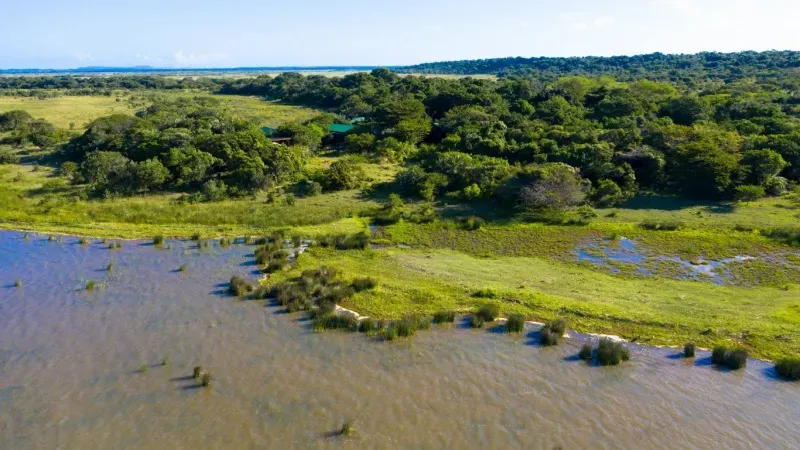
iSimangaliso Wetland Park is a vast wildlife conservation area on the eastern coast of South Africa, where you can see stunning lakes, forests, beaches, and wetlands. In 1999, it was recognized as the first UNESCO World Heritage Site in the country. Over 115 mammal species live in iSimangaliso, including Nile crocodiles, hippos, elephants, and 526 bird species. It is also a good place to see whales, dolphins, and turtles along the coast. The park also has over 6,500 plant species, which includes 2,180 flowering plants. Visitors can go on boat rides, game drives, walking trails, enjoy several beach activities or simple relax in the serene surroundings.
Visiting Hours: 6 AM to 6 PM (varies by weather)
Best Time to Visit: May to September
Things to Do in iSimangaliso Wetland Park:
- Embark on a boat cruise at sunrise or sunset for the best hippo and croc sightings
- Enjoy swimming or snorkeling in the protected reefs of Cape Vidal
- Go on a guided night tour to see turtles nesting on the beach
- Try local food trucks in St Lucia Village for fresh prawns and traditional Zulu dishes
10. Marakele National Park
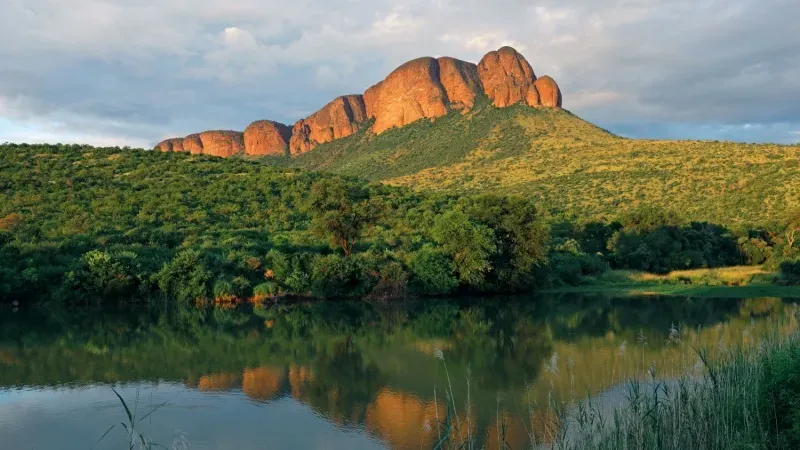
Nestled in the Waterberg Mountains, Marakele National Park is a popular wildlife reserve that offers incredible safari opportunities in South Africa. The park is famous for its beautiful scenery comprising tall mountains, green valleys, and bush areas. It is home to 91 species of wild animals, including elephants, lions, rhinos, giraffes, leopards, and over 400 kinds of birds. Marakele is especially known for having one of the largest colonies of Cape vultures in the world. Visitors can explore the park by car on game drives and stop at viewing points with wide views of the landscape.
Visiting Hours: 6 AM to 6 PM, Daily
Best Time to Visit: May to September
Insider Tips for Safari in Marakele National Park:
- Drive up to Lenong View Point for spectacular mountain views
- Bring binoculars to enjoy the best view of Cape vulture colonies even from far
- Take the eco-friendly solar camp for a unique, off-grid stay
- Make time for guided bush walks as they often offer better wildlife spotting opportunities than game drives
Suggested Read: Safari In Turkey: An Activity To Witness the Cultural Gems of the Country
11. Mapungubwe National Park
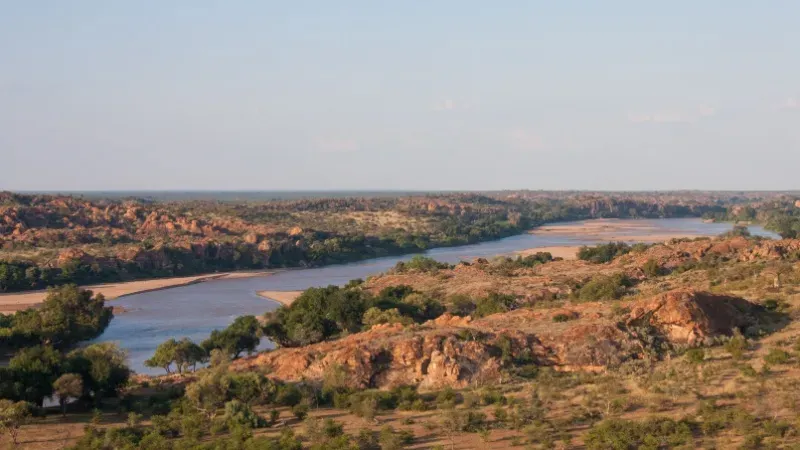
Mapungubwe National Park is a wildlife haven in the north of South Africa, right where the Limpopo and Shashe rivers meet. Founded in 1998, the reserve boasts diverse wildlife and dynamic landscapes comprising sandstone cliffs, lush mopane forests and open savannahs. The park has more than 90 mammal species, such as elephants, giraffes, leopards, zebras, buffalo and rhinos. Mapungubwe National Park is also a paradise for birdwatchers, where you can spot more than 447 types of birds. Besides wildlife, this national park is also known for its ancient history dating back to over 900 years.
Visiting Hours: 6 AM to 6 PM, Daily
Best Time to Visit: May to September
How to Make the Most of Your Visit to Mapungubwe National Park:
- Visit the Heritage Museum for gold artifacts and ancient pottery displays
- Plan your trip during the rainy season (January to March) for excellent birdwatching near Limpopo River
- Take a Tree-Top Walk to witness the best views of the river and wildlife below
- Go bicycling through the park for a peaceful, up-close safari experience
Tips for Safari in South Africa
- Plan early and book accommodations in advance
- Pack the right clothing, including a light jacket for early mornings and evenings
- Carry essentials like binoculars, sunscreen, sunglasses and insect repellent
- Keep cameras and phones ready to capture the animals and scenery any time
- Stay hydrated and energized during your safari adventure
- Choose reputable safari guides and lodges for a safe and enjoyable trip
A safari in South Africa is not just a holiday, but an adventure you will never forget. From watching wild animals in their natural homes and seeing a magical sunrise over the savannah, every moment brings something new. Whether you are taking your family, traveling solo, or making memories with friends, game reserves in South Africa have something for everyone. Explore our range of South Africa safari packages, designed to help you plan an adventure that suits your budget and interests. From flights and accommodations to personalized itineraries, everything is taken care of. So, why wait? Plan you trip now and get ready to create memories in the wild heart of Africa!
FAQ’s – Safari in South Africa
The cost off safari in South Africa varies depending upon the duration of the trip, the type of accommodation you choose and additional excursions, if any. National parks like Kruger offer affordable options, while private reserves tend to be pricier but include meals, guides, and exclusive experiences.
Yes, safaris in South Africa are generally very safe when you follow the instructions of your guide and stay within designated areas. Private reserves and national parks take guest safety seriously, but always be aware of animal proximity and stick to marked paths.
Yes, many reserves in South Africa, especially malaria-free ones like Madikwe and Pilanesberg, are ideal for families with kids. Lodges here also offer special programs and activities suitable for children. However, it is advised to check age restrictions for walking safaris or certain lodges before booking.
During game drives in South Africa, you will get everything from international cuisine to traditional South African braais (barbecues). Moreover, the dietary requirements are also taken care of by the lodges, however, its important to inform them in advance.
Consider wearing lightweight clothing in neutral colors are best for blending in and staying cool throughout the safari adventure. Bring a wide-brimmed hat, sunglasses, good walking shoes, and layers as early mornings can be cold even in summer.
To reach South Africa, you can fly to major international airports like O.R. Tambo International Airport (JNB) in Johannesburg, Cape Town International Airport (CPT), or King Shaka International Airport (DUR) in Durban. Upon landing in the country, use airport transfers or arranged pickups to get to your lodge.
The best time to go on a safari in South Africa is during the dry winter season (May to September), when animals gather around water bodies. To enjoy birds, lush scenery, or see newborn animals, visit in the summer wet season that persists from October to March.
Yes, many travelers combine safaris in South Africa with visits to top attractions in Cape Town, the Garden Route, wine country, or Victoria Falls. South Africa offers fantastic scenery, culture, and adventure beyond the bush.
.jpg)