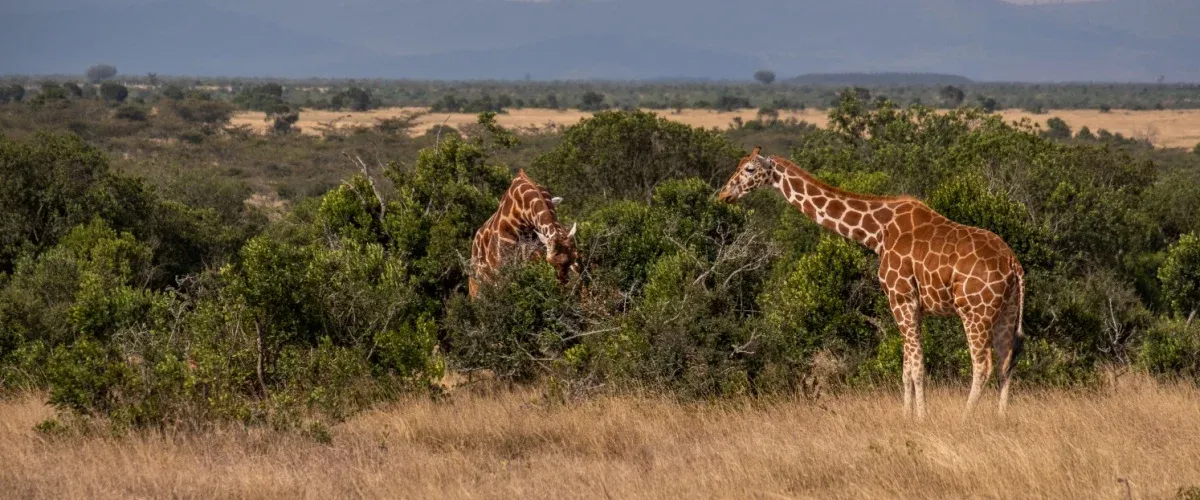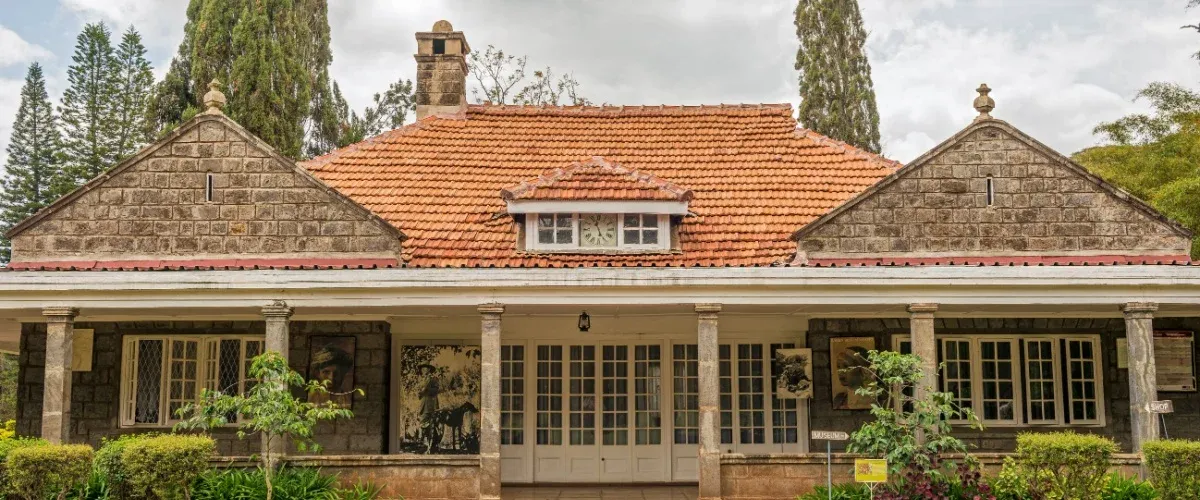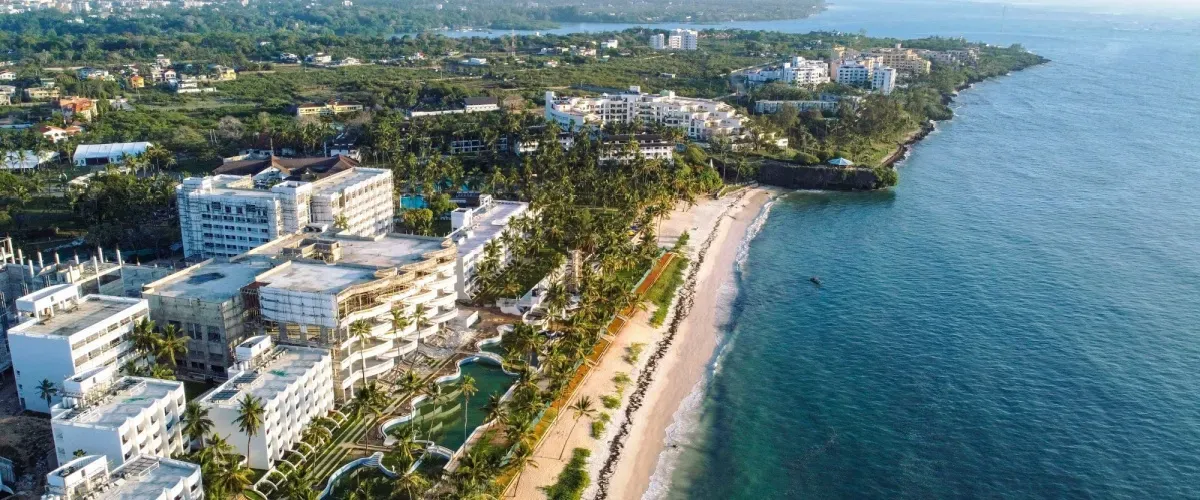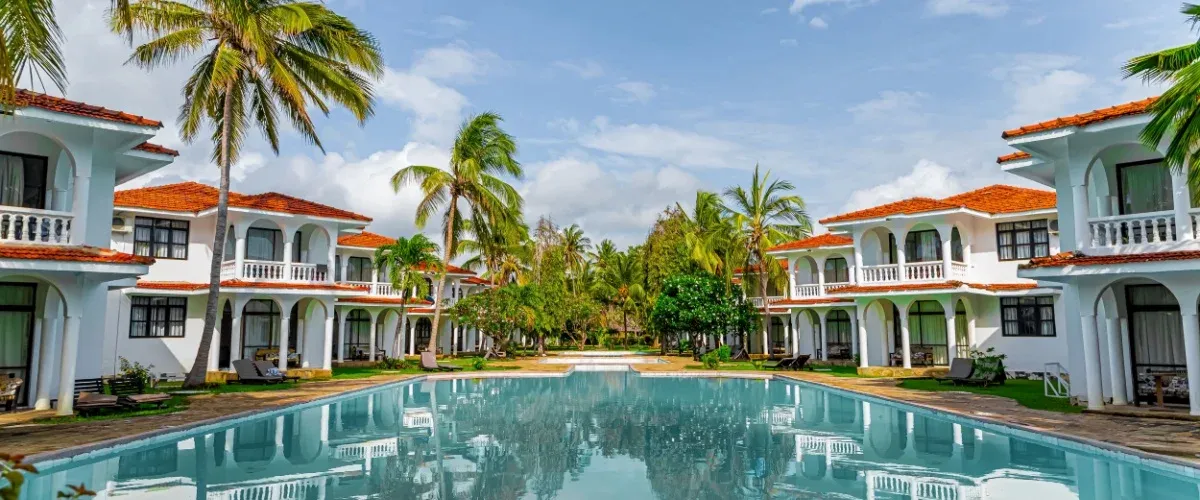
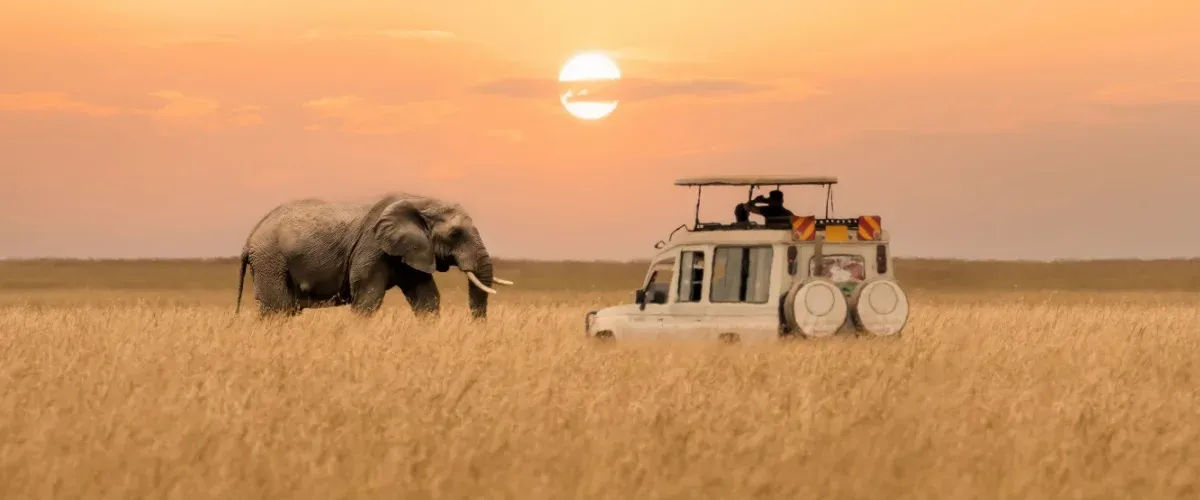
Located on the coast of the Indian Ocean, Kenya is arguably one of the best places in the world for a safari adventure. This East African country is known for its rich biodiversity, cultural traditions, and golden sunrises over stunning landscapes of savannah, forests, and lakes. It is home to national parks and reserves, like the Maasai Mara, Amboseli, and Tsavo, which offer chance to go on thrilling game drives, see animals up close, and witness the world-famous wildebeest migration. Whether you area wildlife enthusiast, culture-seeker, or a photographer, a safari in Kenya offers an immersive experience for everyone. In this blog, let’s discover top safari destinations in Kenya and get ready experience the best of African wilderness!
Top 10 Parks and Reserves to Visit for Safari in Kenya
Here’s a list of the top national parks and wildlife reserves to visit in Kenya for a safari adventure:
1. Maasai Mara National Reserve
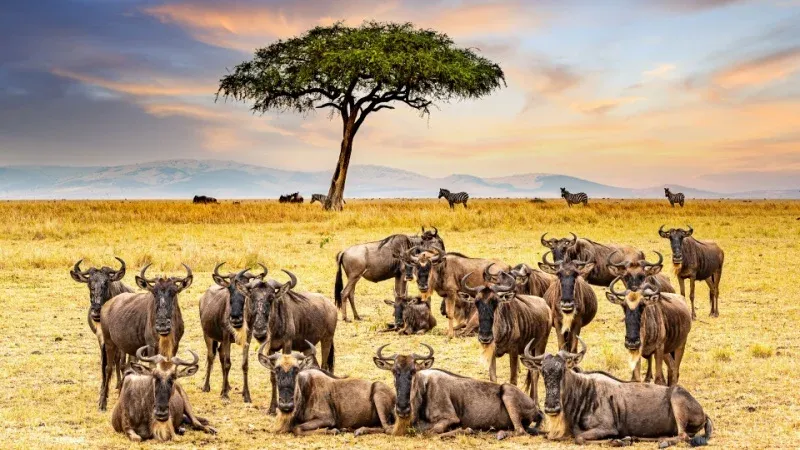
Located in the Great Rift Valley, the Maasai Mara National Reserve is the beating heart of any safari in Kenya. Famed for its endless grasslands and as the stage for the jaw-dropping annual Great Wildebeest Migration, this reserve offers year-round wildlife encounters. Established in 1961, the park covers an area of 1,510 square kilometers and is home to around 90 mammal species and over 500 kinds of birds. Here, you will spot the Big Five animals (lions, elephants, buffaloes, leopards, and rhinos) and charismatic cheetahs. Major highlights of a safari in Maasai Mara include sunrise game drives, hot air balloon rides drifting over herds, and luxurious tented camps that blend wild adventure with comfort.
Visiting Hours: 6 AM to 6 PM, Daily
Best Time to Visit: July to October
Tips for Visiting Maasai Mara National Reserve:
- Visit from July to October to witness the Great Wildebeest Migration, but book early
- Book a sunrise hot air balloon safari to enjoy spectacular views and serene wildlife moments
- Pair your game drives with Maasai-led bush walks for unique insights
- Learn about responsible tourism practices from your camp to support local communities
2. Amboseli National Park
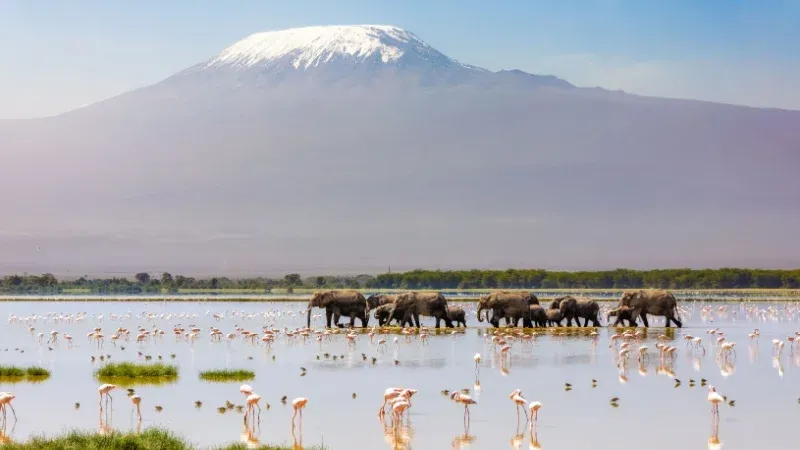
Formerly known as Maasai Amboseli Game Reserve, Amboseli National Park is a popular destination for safari Kenya. It is where you can snap those classic shots of elephants and zebras roaming against snow-capped Mount Kilimanjaro, the highest peak in Africa. This park thrives around its swamps, drawing animals like wildebeest, rhinos, elephants, buffaloes, and giraffes, all visible from accessible tracks. It is home to more than 400 bird species including pelicans, egrets, herons, lapwings, and cranes. The open plains make wildlife viewing a breeze and iconic backdrop provides a dreamlike setting for photography. Besides, cultural visits to Maasai villages offer an authentic peek into indigenous lifestyles of southern Kenya.
Visiting Hours: 6 AM to 6 PM, Daily
Best Time to Visit: June to October
How to Make the Most of Your Visit to Amboseli National Park
- Bring binoculars for watching elephants and birds even from a distance
- Enjoy best views of Mount Kilimanjaro at Golden hour (early morning/evening)
- Stay in eco-lodges to minimize environmental impact
- Visit local Maasai bomas for authentic cultural experiences
Suggested Read: Your Ultimate Guide to Top Destinations for Safari in South Africa
3. Lake Nakuru National Park
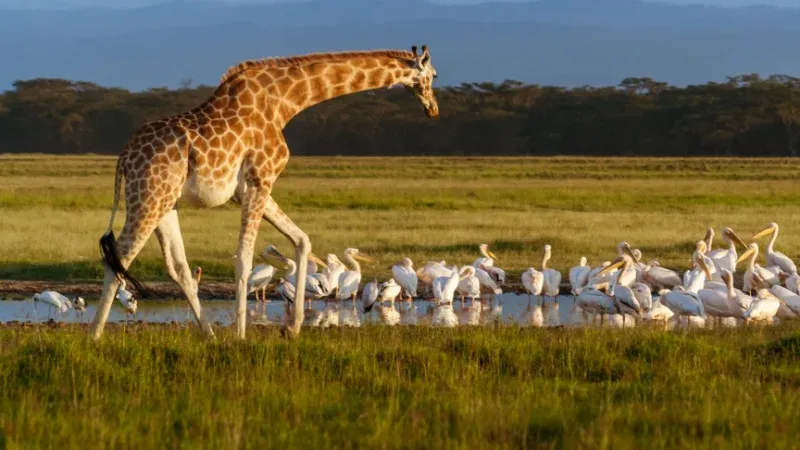
Just a three-hour drive from Nairobi, Lake Nakuru National Park is literally a haven for those seeking a serene experience of safari in Kenya. Established in 1961, this compact park is surrounded by wooded and grassy landscapes offering dramatic views and wildlife encounters. The park is best known for Lake Nakuru, which glimmers with millions of pink flamingos that flock here throughout the year. You can also see hundreds of bird species, white and black rhinos, buffalo, zebras, giraffes, and sometimes lions and leopards lounging on the trees. Other animals to spot here are somber olive baboons and the black-faced vervet monkey.
Visiting Hours: 7 AM to 6 PM, Daily
Best Time to Visit: Year-round; Peak in January/February & July to October
Insider Tips for Safari in Lake Nakuru National Park:
- Plan your visit in early morning or late afternoon for the best flamingo displays
- The Baboon Cliff viewpoint offers panoramic lake views, so bring your camera to capture them
- Explore Makalia Falls and take Instagram-worthy photos
- Combine with the expansive Menengai Crater nearby for a full-day adventure
4. Samburu National Reserve
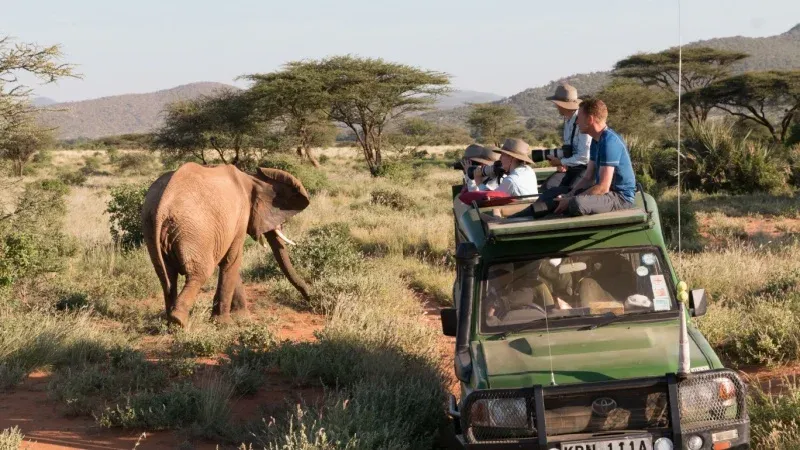
Set on the banks of Ewaso Ng'iro River in northern Kenya, Samburu National Reserve is an excellent spot for game drives through Africa’s wildlife. Established in 1948, the reserve covers an area of 165 square kilometers. It is home to ‘Samburu Special Five’ (Grevy’s zebra, Somali ostrich, reticulated giraffe, Beisa oryx, and Gerenuk), over 450 species of birds, and large populations of elephants, lions, leopards, cheetahs, and wild dogs. Encounters with Samburu warriors ensure an authentic experience as you not only learn about the wildlife but also about the local culture.
Visiting Hours: 6 AM to 6:30 PM, Daily
Best Time to Visit: June to October
Things to Do During Safari in Samburu National Reserve
- Go on a night game drive to explore nocturnal wildlife of Samburu
- Look out for the rare gerenuk, a long-necked antelope found only here
- Relax by riverside picnic spots while watching out for mischievous monkeys
- Attend a traditional Samburu dance for an immersive cultural evening
Suggested Read: Things to Do in Tanzania: Experience the Wild Beauty of Africa
5. Tsavo National Park
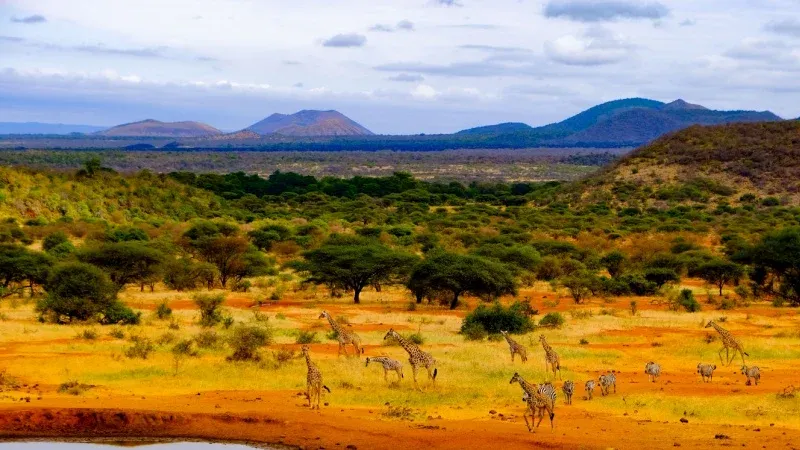
Situated in Taita-Taveta County, Tsavo National Park is one of the second largest wildlife conservation areas in Kenya. Founded in 1948, the park spans over 22,812 square kilometers and is divided into Tsavo East and Tsavo West National Parks. Tsavo East is a vast semi-arid woodland famous for its ‘red elephants’ (stained by the ochre earth) while Tsavo West offers lush Mzima springs and volcanic hills, and lava flows. Here, you can see animals like elephants, lions, leopards, giraffes, buffalo, zebras, and rhinos. Tsavo is also good for birdwatching, with more than 500 bird species found in the park.
Visiting Hours: 6 AM to 7 PM, Daily
Best Time to Visit: June to October, January to February
Activities to Try in Tsavo National Park:
- Soak in the beauty of Lugard Falls and Mzima Springs
- Explore Shetani Lava Flow, a lesser-visited site in Tsavo West
- Take a guided nature walk for a refreshing safari experience
- Spend a night at a waterhole-view lodge to witness nocturnal animal activity
6. Nairobi National Park
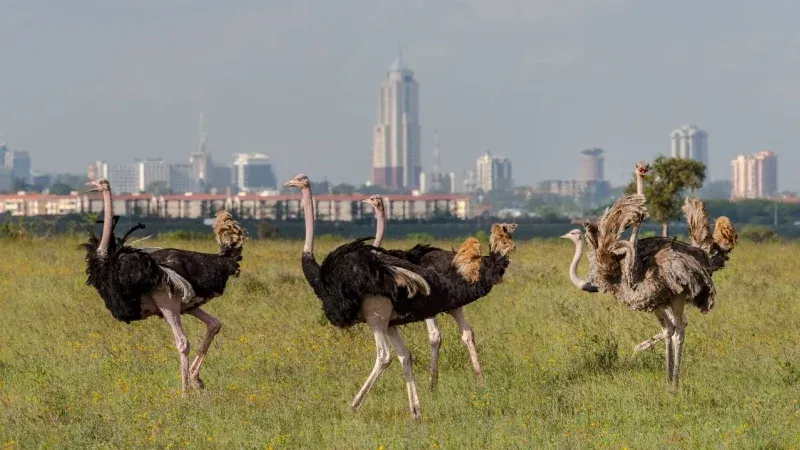
Regarded as the ‘World's only Wildlife Capital’, Nairobi National Park offers an ultimate safari adventure against the dramatic backdrop of a bustling city skyline. Located just 15 minutes from Nairobi Downtown, this expansive wildlife reserve has been home to diverse wildlife, including 100 mammal and 400 bird species, since its establishment in 1946. Visitors can spot giraffes, rhinos, zebras, buffaloes, lions, cheetah, wildebeests, baboons, and antelopes like impalas and gazelles.
Visiting Hours: 6 AM to 6 PM, Daily
Best Time to Visit: July to September, January to February
How to Make the Most of Your Visit to Nairobi National Park:
- Visit the David Sheldrick Elephant Orphanage for incredible conservation stories
- Stop by the Giraffe Centre nearby for close encounters with Rothschild’s giraffes
- Enjoy picnicking in the park amidst wildlife and views of the city
- Go on a short guided walking safari to the rhino sanctuary
Suggested Read: The Best Places To Visit In South Africa For An Astonishing Diversity
7. Aberdare National Park
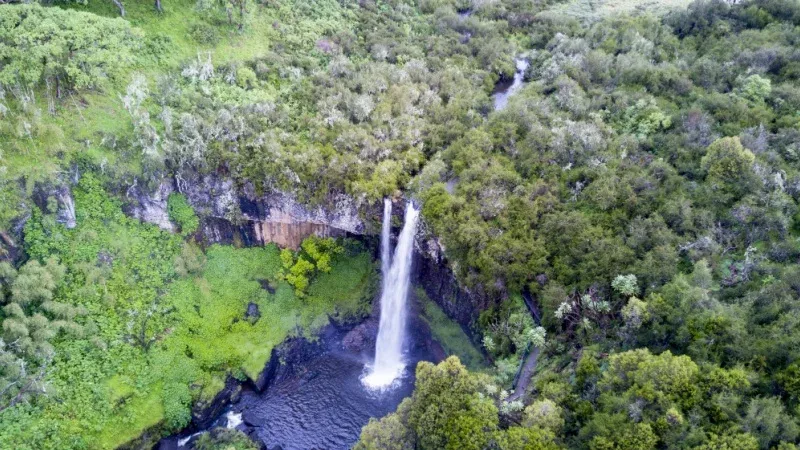
Aberdare National Park is a premier wildlife destination in central Kenya, known for its thick forests, waterfalls, and cool highland air. Established in 1950, the park covers about 767 square kilometers and is home to many animals, including elephants, buffalo, leopards, black rhinos, and various types of monkeys. You can also see rare animals like the Giant forest hog and bongo antelope. Hike on the trails to special viewing points that allow you to watch animals from raised platforms, especially at The Ark or Treetops lodges.
Visiting Hours: 6 AM to 6 PM, Daily
Best Time to Visit: June to September
Insider Tips for Safari in Aberdare National Park:
- Stay in treehouse lodges for unforgettable waterhole wildlife viewing experience
- Carry warm clothes as it is cooler here than in the savannah parks
- Explore hidden waterfalls on forest walks with a guide
- Enjoy a magical canopy walk through Ngare Ndare Forest
8. Meru National Park
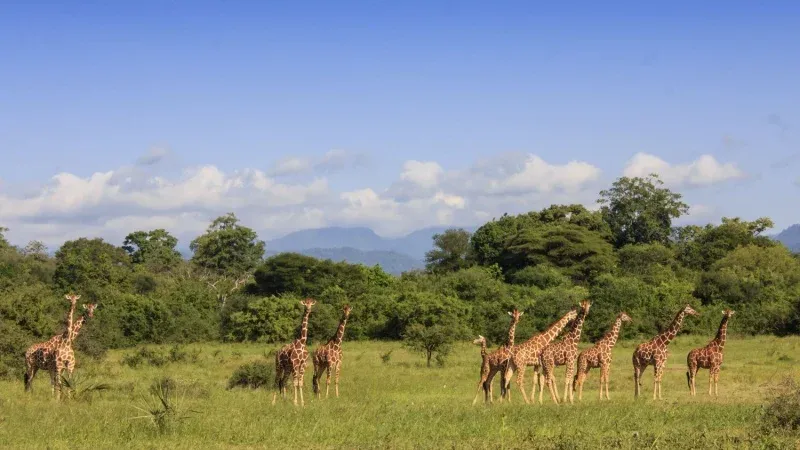
Meru National Park is a large wildlife park in central Kenya, which is famous as the place where Elsa the lioness, from the book and movie ‘Born Free’ lived. Spanning over 870 square kilometers, the park features a dynamic landscape comprising rivers, wetlands, and open grasslands. It provides habitat to 500 animal species, including the Big Five, giraffes, Grevy's zebras, cheetahs, and over 400 bird species. The rivers flowing through the park are filled with crocodiles and hippos. Additionally, the park has more than 720 plant species, which includes palms, baobab and acacia trees.
Visiting Hours: 6 AM to 7 PM, Daily
Best Time to Visit: June to September
Tips for Visiting Meru National Park:
- Ask about Elsa’s Kopje, the iconic lodge from ‘Born Free’
- Bring a bird book to explore over 300 species in the park and learn about each
- Go for a sundowner drive and enjoy big cat sightings
- Visit on weekdays for less crowded game drives
Suggested Read: Top Hotels In South Africa For Your Next Great Escape To The Country
9. Mount Kenya National Park
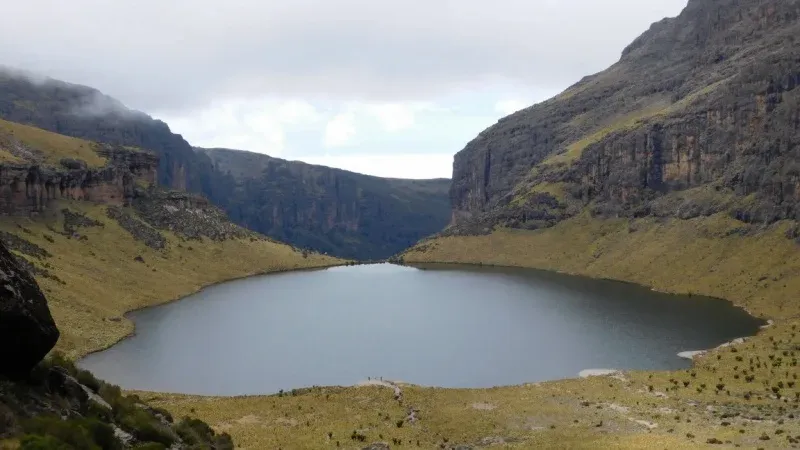
Established in 1949, Mount Kenya National Park is a UNESCO-listed wildlife reserve known for its dense forests, mountain streams, and tall peaks across 715 square kilometers. The park is surrounded by Mount Kenya, the highest mountain in Kenya and the second highest in Africa. It is home to more than 100 species of mammals and 130 birds. Animals in the park include elephants, buffalo, monkeys, leopards, lions, and rhinoceros. Visitors can enjoy hiking through the trails for different skill levels, observe wildlife or just enjoy the clean air and spectacular views.
Visiting Hours: 6 AM to 6 PM, Daily
Best Time to Visit: December to March, June to October
How to Make the Most of Your Visit to Mount Kenya National Park:
- Visit early in the morning for cooler weather and better chance to see animals
- Bring warm clothes, sturdy shoes and rain gear as weather can change anytime
- Join a guided tour to learn about the flora and fauna in the park
- Choose a hiking trail that matches your fitness and experience
10. Lake Naivasha National Park
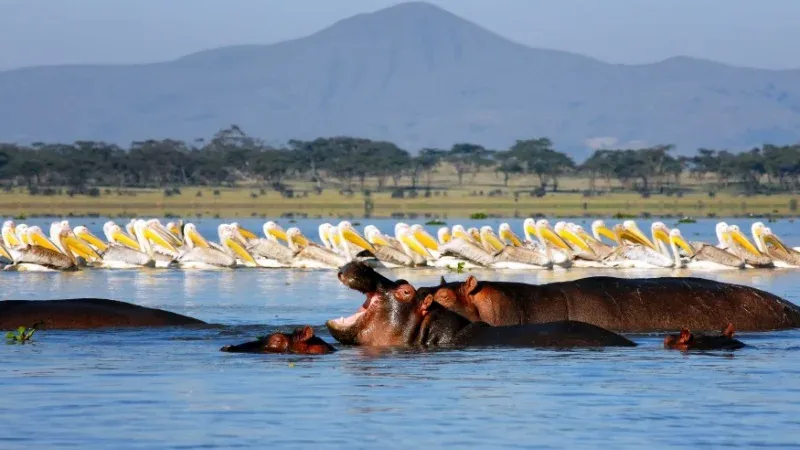
Lake Naivasha National Park is an unmissable safari destination for those seeking a mix of thrilling adventures and beautiful scenery. The park is centered around Lake Naivasha, the highest freshwater lake in Kenya which is surrounded by grassland and forests. It spans over 140 square kilometers in the Great Rift Valley. It is home to around 1,500 hippos and over 400 types of birds in the park, including fish eagles and pelicans. Other animals to see in the park are giraffes, zebras, buffalos, and antelope.
Visiting Hours: 7 AM to 6 PM, Daily
Best Time to Visit: June to October, January to February
Things to Do in Lake Naivasha National Park:
- Take a boat ride on Lake Naivasha and enjoy the surrounding views
- Go birdwatching and spot unique species like fish eagles and pelicans
- Walk or cycle on Crescent Island to see animals roaming freely
- Enjoy a picnic by the lakeshore and admire the beautiful scenery
Suggested Read: Where To Stay In South Africa: A Sight Of The Finest Locations And Hotels
A safari in Kenya is more than just a vacation. It’s an adventure that awakens every sense of the visitor. From the thunder of migrating wildebeest to the warm meetings with Maasai people, Kenya offers experiences that will stay with you forever. Whether you are looking to stay in luxury lodges or wild bush camps, there are diverse accommodations to suit every visitor. Browse through our range of Kenya safari packages, each designed to ensure maximum comfort and convenience of the travelers. Book now and get ready to unveil the magic of Kenya!
FAQ’s - Safari in Kenya
The cost of safari in Kenya ranges from budget safaris at $150 per day to luxury experiences over $800 a day, including accommodation, meals, and game drives. Prices depend on the level of service, number of parks, and time of year you are visiting.
Yes, safari adventure in national parks of Kenya is generally considered very safe for tourists. Plan your excursion with a reputable tour operator and follow local safety advice, especially regarding wildlife and personal belongings.
June to October is the prime safari season in Kenya, when the weather is dry and the concentration of animals around waterholes is high. The Great Migration in Maasai Mara during this period makes it more inviting for visitors. January to March is also an excellent time to enjoy safari rides with fewer crowds.
Yes, you can enjoy a comfortable safari adventure with kids in Kenya. Many camps accommodate families and offer kid-friendly guides and activities. It is always best to check minimum age requirements and consider shorter game drives for young kids.
Safaris offer hearty, Western-style meals as well as local dishes like nyama choma (grilled meats), ugali, and fresh vegetables. Camps also cater to dietary needs of the visitors, but it is required just notify them in advance.
You must be mindful about local customs and dress modestly in rural areas. Always ask before taking photographs of the people. Greeting with a handshake is customary, and graciousness is appreciated everywhere.
It is recommended to wear light, neutral-colored clothes (avoid bright colors and whites), comfortable walking shoes, a wide-brimmed hat, and a warm layer for early morning drives in Kenya. Don’t forget to use and carry sunscreen and insect repellent.
Most safaris in Kenya arrange all transfers, but you can fly small planes between regions, charter private vehicles, or use shuttle services to get around the parks. Road journeys can be long but offer unforgettable scenery.
.jpg)