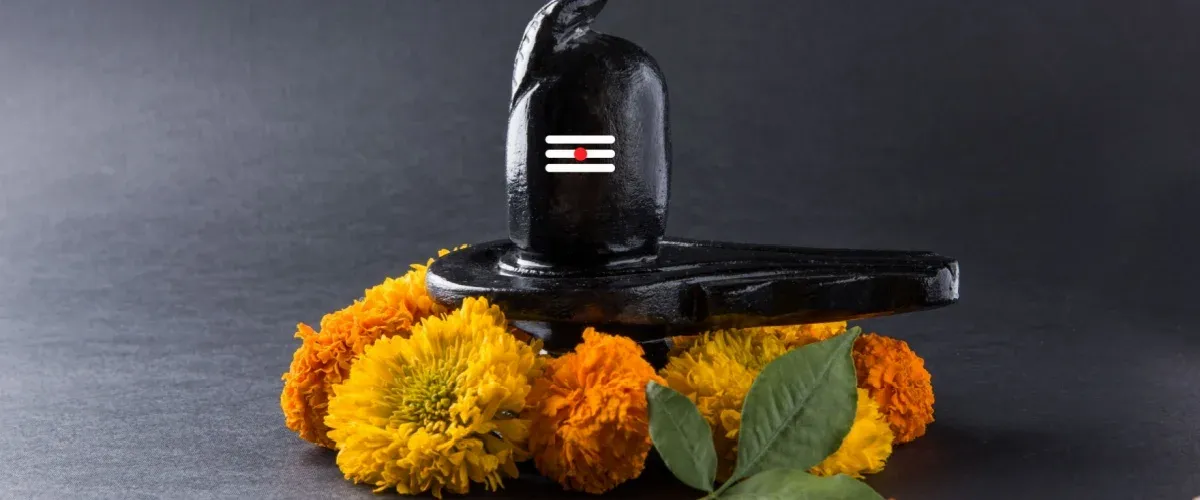
Maha Shivaratri, literally meaning ‘The Great Night of Shiva’, is one of the most sacred and spiritually significant festivals in Hinduism. The night is not merely a ritualistic celebration but a profound spiritual opportunity for introspection, devotion, discipline and inner awakening. The festivities primarily take place at night, symbolizing the journey from darkness to light, ignorance to knowledge and death to immortality. This year, Maha Shivaratri falls on Sunday, 15 February. In this blog, let’s explore everything about Maha Shivaratri 2026, from puja timings and rituals to its significance and the most popular temples to visit for a deeply spiritual experience.
Significance of Maha Shivratri 2026
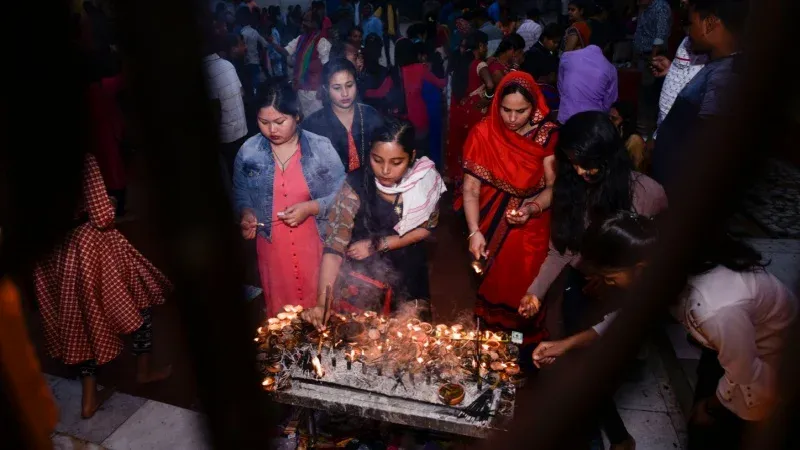
Maha Shivratri is associated with several legends. It is believed that Lord Shiva performed the cosmic Tandava dance on this night and that he married Goddess Parvati, symbolizing divine union. Observing fasts and offering prayers during Maha Shivaratri is said to bring positivity, fulfilment of wishes, marital bliss and relief from hardships.
Another belief is that Shiva manifested as the Lingam on this night, representing the infinite and formless reality, signifying that he has no beginning or end. During the Samudra Manthan (churning of the ocean), a deadly poison called Halahala emerged, which Shiva consumed to save the universe, turning his throat blue, earning him the name Neelkanth.
For yogis and spiritual seekers, Maha Shivaratri holds special importance. Shiva, revered as Adiyogi, the first yogi, inspires meditation, pranayama, and silent contemplation, practices that are considered especially powerful on this night, promoting inner balance and heightened awareness.
Maha Shivaratri 2026 Dates & Timings
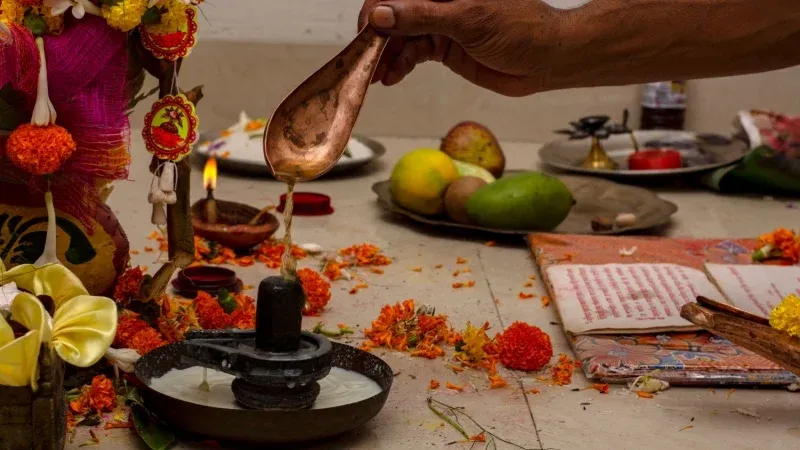
Dedicated to Lord Shiva, Maha Shivratri is observed annually on the fourteenth day of the Krishna Paksha in the Hindu month of Phalguna. The key Maha Shivaratri 2026 dates and timings for puja and various rituals are given below:
- First Prahar Puja - 6:11 PM to 9:23 PM on 15 February 2026
- Second Prahar Puja - 9:23 PM to 12:36 AM on 15 February 2026
- Third Prahar Puja - 12:36 AM to 3:47 AM on 16 February 2026
- Fourth Prahar Puja - 3:47 AM to 6:59 AM on 16 February 2026
Suggested Read: Top Festivals in India You Wouldn't Want to Miss
Rituals and Worship Practices of Maha Shivaratri
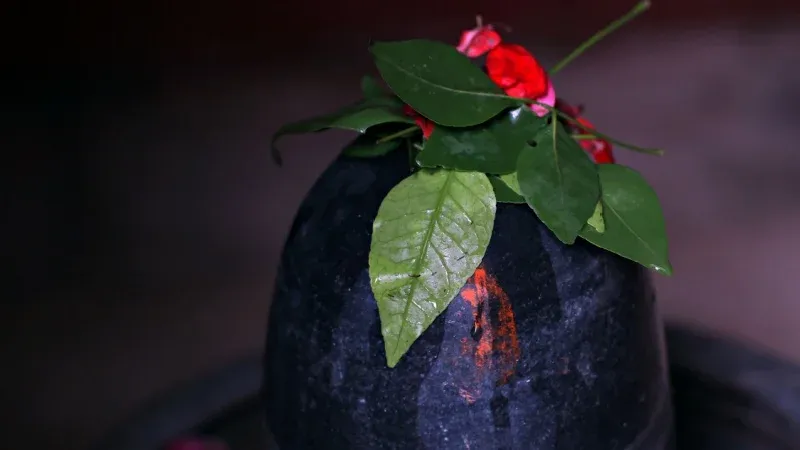
- Abhishekam of the Shiva Lingam
One of the central rituals of Maha Shivaratri is the Abhishekam, the ceremonial bathing of the Shiva Lingam. It is performed using water, milk, curd, honey, ghee, sugarcane juice, coconut water and sacred substances like sandalwood paste and ash. Each offering has symbolic meaning, with milk signifying purity, honey representing sweetness in life and water symbolizing the flow of consciousness.
- Offering Bilva Leaves
Bilva (Bel) leaves are considered extremely sacred to Lord Shiva. Offering three-leafed bilva leaves represents the three eyes of Shiva, the three gunas (sattva, rajas, tamas), and the trinity of creation.
- Chanting and Bhajans
Chanting mantras such as “Om Namah Shivaya” and singing devotional songs create a spiritually charged atmosphere. These vibrations are believed to purify the surroundings and elevate consciousness.
- Night Vigil (Jagran)
Devotees stay awake throughout the night, often visiting temples, listening to spiritual discourses, meditating, and engaging in continuous prayer.
Suggested Read: Top Tourist Destinations in India to Visit
Top 5 Temples to Visit During Maha Shivratri 2026
- Kashi Vishwanath Temple (Varanasi)
.webp)
Located in the heart of Varanasi, Kashi Vishwanath Temple is the focal point of Maha Shivratri celebrations, drawing massive crowds from around the globe each year. The temple celebrates this auspicious occasion with fervour through all-night vigils, special rituals, grand processions and meditation to create an intensely spiritual atmosphere. The Ganga Ghats, like the Dashashwamedh Ghat and Harishchandra Ghat, come alive with lamps, chanting and spiritual energy, creating an unforgettable Maha Shivaratri experience.
- Shree Mahakaleshwar Jyotirlinga Temple (Ujjain)
.webp)
Shree Mahakaleshwar Jyotirlinga Temple is among the most sacred shrines of Lord Shiva, the only place where he is worshipped as Mahakal (the ‘King of Time’). The temple hosts grand celebrations for Maha Shivratri, spanning over nine days. The night of devotion features the pre-dawn Bhasma Aarti, the grand Palki Sohala procession, Rudrabhishek rituals, special evening Shringars and traditional ceremonies. The temple remains open for darshan for up to 44 hours, offering devotees a profound sense of peace, protection and spiritual connection.
- Somnath Temple (Gujarat)
.webp)
Somnath Temple celebrates Maha Shivratri with huge grandeur, comprising ancient rituals and grand public celebrations. On this occasion, the temple is adorned with flowers, illuminated with lights and large LED screens set up for live darshan. Devotees can take part in 4 Parahar Pujas, Maha Abhishek of the Shivalinga, Maha Aarti and 72-hour Akhand Omkar chanting for a deep spiritual experience. Additionally, classical dance performances, exhibitions and spiritual discourses are held during the festivities.
- Kedarnath Temple (Uttarakhand)
.webp)
Maha Shivratri in Kedarnath is marked by deep devotion amid the Himalayas. Devotees offer prayers, chant mantras, and perform night-long rituals in the sacred temple, while the serene, snow-clad surroundings enhance the spiritual atmosphere and profound connection with Lord Shiva.
- Bhootnath Temple (Mandi)
.webp)
Maha Shivratri at Bhootnath Temple in Mandi is celebrated with great traditional fervor. Devotees throng the temple, perform night-long prayers, sing bhajans, and light diyas. The town hosts vibrant fairs and cultural events, blending devotion, folklore, and festive joy.
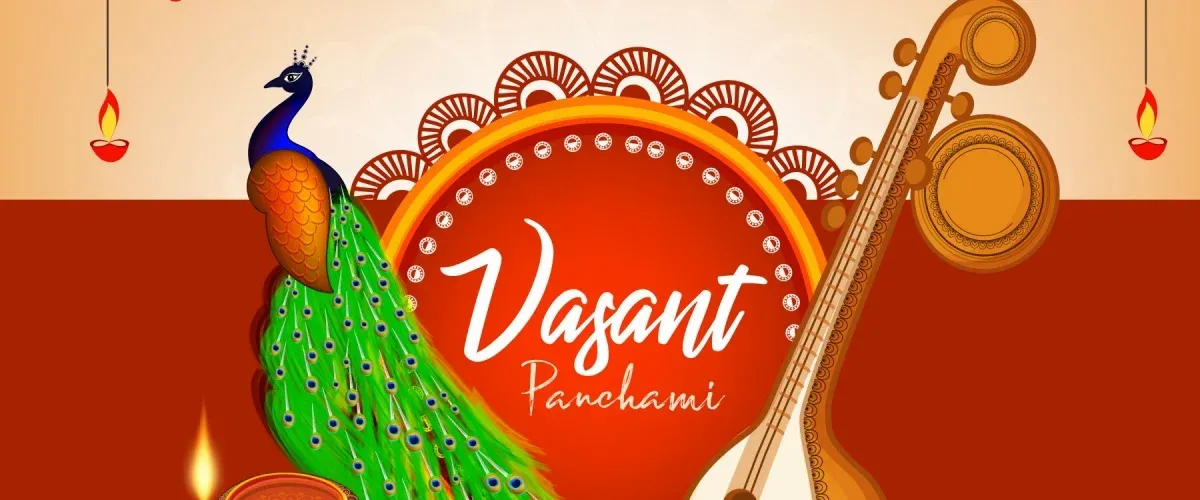
Suggested Read: Vasant Panchami: Date, Timings, Significance & How to Celebrate
Maha Shivaratri is not just a religious festival but a spiritual gateway. It is a night that encourages us to look inward, to still the mind and to connect with the eternal truth within. Whether one observes it through fasting, prayer, meditation or simple remembrance of Shiva, the essence of the festival lies in sincerity and awareness. Looking forward to being a part of Maha Shivaratri 2026? Book one of our India tour packages and get ready to experience this vibrant celebration, traditions and nature’s beauty. Happy Maha Shivratri!
FAQs - Maha Shivaratri 2026
Maha Shivaratri (‘The Great Night of Shiva’) is a Hindu festival honouring Lord Shiva, observed with fasting, prayers, meditation, and night-long vigils for spiritual growth and inner awakening.
In 2026, Maha Shivaratri will be observed on 15 February (Sunday) according to the lunar calendar, on the 14th night of the dark fortnight in the month of Phalguna.
Maha Shivaratri is celebrated to honour Shiva’s marriage with Parvati, his cosmic dance, his act of consuming poison, and his role as the supreme consciousness, symbolizing transformation and spiritual awakening.
Devotees observe fasting, offer prayers, chant Om Namah Shivaya, perform Shiva Lingam rituals, stay awake during the night, meditate, and engage in devotional singing and temple visits.
Fasting on Maha Shivaratri purifies the body and mind, promotes self-discipline, encourages detachment from desires, and helps devotees connect deeply with Lord Shiva.
Key rituals include bathing the Shiva Lingam (Abhishekam), offering Bilva leaves, chanting mantras, singing bhajans, performing night-long vigils, and meditating to honour Shiva and seek spiritual growth.
Famous temples include Kashi Vishwanath (Varanasi), Mahakaleshwar (Ujjain), Kedarnath, Somnath, and Pashupatinath (Kathmandu), where grand rituals and night-long celebrations attract thousands of devotees.
Maha Shivaratri teaches the victory of knowledge over ignorance, light over darkness, and self-discipline over desires, guiding devotees toward inner transformation, higher consciousness, and spiritual awakening.
.jpg)