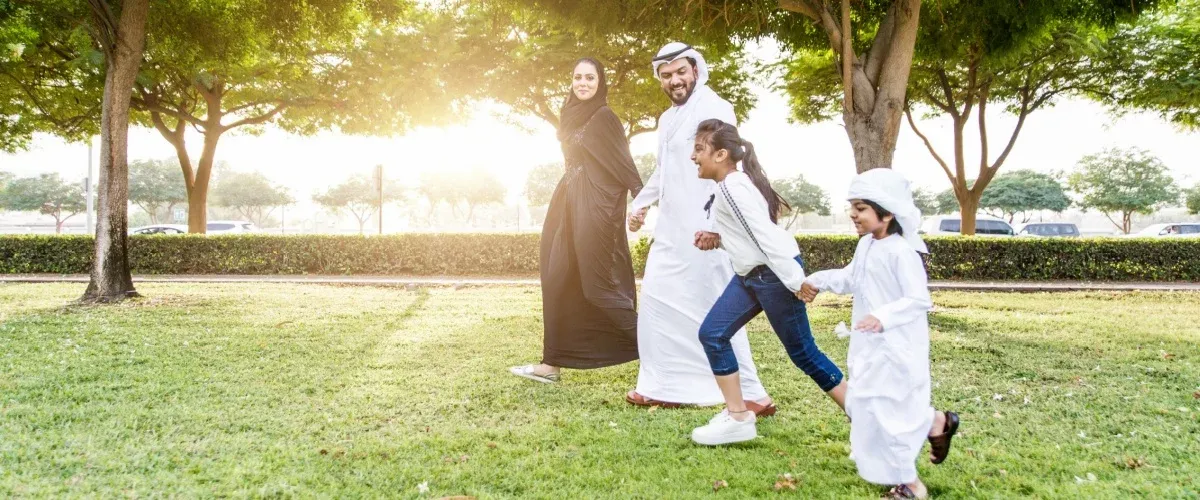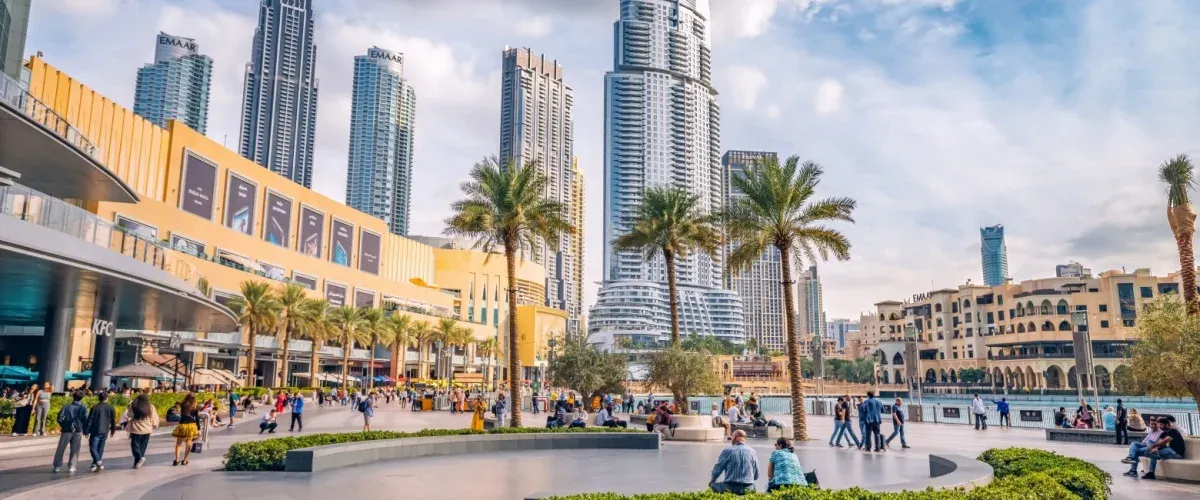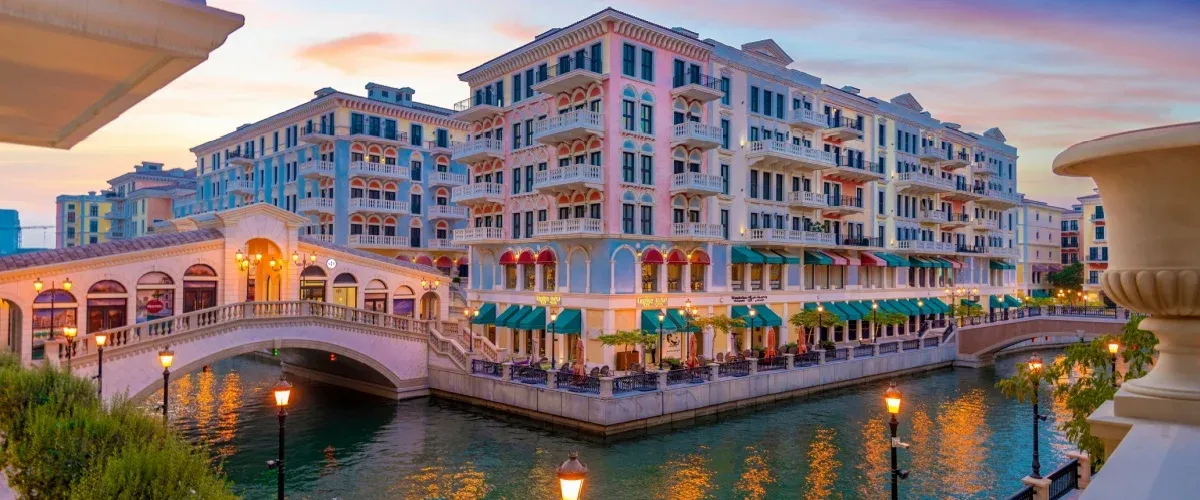
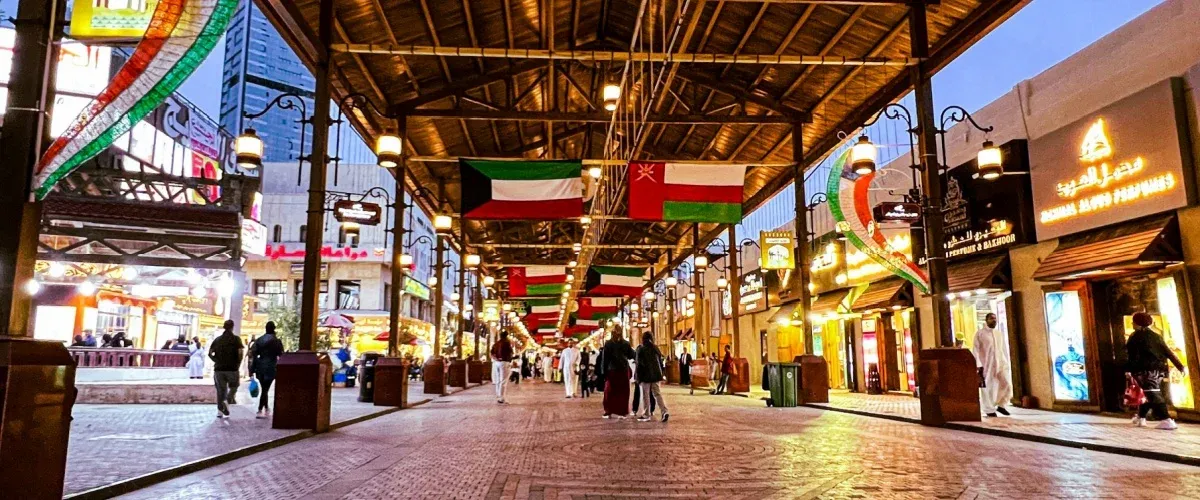
Want to experience the real heart of the Middle East? There’s no better place than its local markets, also known as souqs or bazaars. These vibrant hubs are where you can immerse yourself in ancient traditions and the energetic modern spirit of the region. Whether you’re drawn to glittering gold jewelry or the simple pleasure of observing people with a cup of mint tea, these marketplaces capture the region’s rich history and warm hospitality. From the winding alleys of Old Cairo to the lantern-lit aisles of Istanbul, we have prepared a perfect guide to the best local markets in the Middle East for you. Check them out and make the most of every bustling spot!
Top 13 Local Markets in Middle East for Authentic Experience
Here’s a list of the most legendary local markets in the Middle East:
1. Khan el-Khalili (Cairo, Egypt)
.webp)
Located in the Islamic Cairo district, Khan el-Khalili (Khan Al-Khalili) is Egypt’s legendary marketplace dating to the 14th century. Its narrow alleys overflow with stalls selling everything from traditional lamps and silver jewelry to vibrant fabrics and handcrafted items. Within Khan El Khalili is the Spice Market, where you can buy an array of perfumes and local spices. Upon entering the market, you’ll hear street vendors calling out friendly greetings while shoppers interact with them, negotiating prices for the purchases. Try traditional Egyptian street snacks like Ta'ameya and Koshari from food stalls and grab some fresh Karkade (hibiscus) tea from historic coffeehouses in the area.
Visiting Hours: 9:30 AM to 11 PM (Monday to Sunday)
Travel Tips for Visiting Khan el-Khalili:
- Arrive in the morning for quieter browsing and cooler temperatures
- Carry small cash for easier and quick purchases
- Ask vendors about their craft and hear interesting stories from them
- Be mindful of your belongings as the market gets very crowded
2. Grand Bazaar (Istanbul, Turkey)
.webp)
With 61 covered streets and more than 4,000 shops, the Grand Bazaar in Istanbul is one of the world’s oldest and largest covered markets. It’s a treasure trove for Turkish delights, ceramics, carpets, gold jewelry, and every imaginable trinket. Founded in the 15th century, the market was the main trading center in the Middle East and continues to be a shopping paradise for locals and tourists. Every day, around 4 lakh people visit the Grand Bazaar for shopping, immersing themselves in the local culture, and unwinding at a cozy tea house.
Visiting Hours: 8:30 AM to 7 PM (Closed on Sunday)
Grand Bazaar Insider Tips:
- Explore beyond the main aisles to discover unique boutiques and antique stores
- Don't miss visiting the nearby Nuruosmaniye Mosque
- Dress comfortably and wear good walking shoes to the bazaar
- Always confirm prices and don’t hesitate to bargain politely
Suggested Read: Top Cities for Digital Nomads in the Middle East
3. Mutrah Souq (Muscat, Oman)
.webp)
Located in the middle of Old Muscat, Mutrah Souq is one of the oldest markets in the Middle East. It dazzles with labyrinths of narrow lanes, ornate wooden ceilings, and wafting frankincense. The souq offers everything from Omani silver and traditional khanjars to sandalwood and intricately woven baskets. Explore its spice market section for aromatic purchases and great photos. Soak in the vibrant energy of the market and enjoy the cool breeze coming from the sea as you walk through the market.
Visiting Hours: 8 AM to 10 PM (4 PM to 10 PM on Friday)
How to Make the Most of Your Visit to Mutrah Souq, Muscat
- Check out the harbor promenade just a short walk away
- Try Omani halwa from a local sweets shop
- Attend various local festivals or events hosted in the market
- Explore the adjacent fish market for fresh seafood
4. Souq Waqif (Doha, Qatar)
.webp)
Located in Downtown Doha, Souq Waqif is a go-to gathering point for locals and tourists seeking excellent retail therapy. Rebuilt in the authentic Qatari style in 2006, the Souq is famous for colorful spices, perfumes, textiles, and a lively pet section filled with parrots and rabbits. In the evenings, the entire market lights up as friends and families gather here for dinner and music. Be sure to try a plate of freshly grilled kebabs while soaking up the cheerful buzz.
Visiting Hours: 8 AM to 10 PM (Opens at 4 PM on Friday)
Travel Tips for Visiting Doha Souq Waqif:
- Visit during the evenings for lively street music and cultural performances
- Savor local Qatari cuisine at the local restaurants
- Explore the Falcon Souq nearby for a uniquely Qatari experience
- Respect local dress codes – modest clothing is appreciated
Suggested Read: Qatar Top Country In The Middle East As Per The HSBC Expats Explorer
5. Old City Souq (Jerusalem, Israel)
.webp)
Also known as the Arab Souq, the Old City Souq in Jerusalem offers a unique shopping experience within a walled city. Winding its way through the streets of Muslim and Christian Quarters, the Souqspans over 100 acres with 800 shops selling hand-painted ceramics, religious artifacts, fresh baklava, and aromatic coffee. The Old City Souq has three markets, namely Souq Al Lakhamin (Butchers' Market), Souq al-Attarine (Spice/Perfume Market), and Souk Al Khawajat (Goldsmiths'/Jewelry Market).
Visiting Hours: 8:30 AM to 7 PM (Monday to Sunday)
Insider Tips for Visiting the Old City Souq, Jerusalem
- Some shops close early on Fridays and during religious holidays - plan accordingly
- Try fresh pomegranate juice from street carts for a revitalizing treat
- Engage with vendors for deep insights into history and local lore
- Wear comfortable shoes for navigating uneven old city stones
6. Souq Al-Mubarakiya (Kuwait City, Kuwait)
.webp)
Souq Al-Mubarakiya is a lively open-air market that offers an authentic feel of old Kuwait within a modernsetting.The market is packed with traditional restaurants, spice stalls, and shops selling everything from antiques to local perfumes and fresh dates. The Souq is especially famous for its affordable, mouth-watering street food, such as Machboos and Muttabaq Samak. Don’t leave without trying a warm Kanafeh from shops in the marketplace.
Visiting Hours: 8 AM to 10 PM (Monday to Sunday)
Travel Tips for Visiting Souq Al-Mubarakiya:
- Avail the best deals on dates and spices in the afternoon
- Join locals for an alfresco meal of grilled fish at an open-air café
- Visit the Islamic Arts Museum inside the market for a cultural break
- Shop for perfumes – locals are happy to help you find the perfect scent
Suggested Read: Places to Visit in The Middle East For A Cultural Holiday Experience
7. Manama Souq (Manama, Bahrain)
.webp)
Upon stepping into Manama Souq, you will hear the strong calls of market vendors, see the rainbow display of pashminas, smell cardamom and oud wafting through the air. Established in the 19th century, the market is popular for pearl jewelry and Bahraini sweets. The stalls and shops also sell electronic goods, perfumes, gold, and traditional handicrafts. The twin-arched Bab Al Bahrain building serves as the main entrance of the market, which is therefore, sometimes known as Bab Al Bahrain Souq.
Visiting Hours: 8 AM to 10 PM (Opens at 8:30 on Friday)
Manama Souq Bahrain Insider Tips:
- Look for pearl merchants for jewelry pieces - a Bahrain specialty
- Pop into a traditional tea house to watch the neighborhood’s afternoon rhythm
- If you’re looking to bargain, start your shopping in the late morning
- Opt for light clothing as Bahrain’s markets are often warm and humid
8. Al Hamidiya Souq (Damascus, Syria)
.webp)
One of the oldest and most famous souqs in the Middle East, Al Hamidiya Souq begins from the Roman arch of Bab Al Nasr stretching up to the Umayyad Mosque. This 600-meter-long market in the old town of Damascus was built by Ottoman Sultan Abdul Hamid in 1780.It boasts stalls and shops housed in historic buildings, where you can pick traditional sweets, silk shawls, soap, and copperware.
Visiting Hours: 9 AM to 10 PM (Monday to Sunday)
How to Make the Most of Your Visit to Al Hamidiya Souq Damascus:
- Try traditional pistachio-stuffed sweets (Barazek)
- Take in the intricate details of the steel stalls and stone architecture
- Weekdays are less crowded, offering a more relaxed pace
- Photography is allowed but always ask before taking portraits
Suggested Read: Top Budget Tourist Attractions In The Middle East
9. Gold Souq (Dubai, UAE)
.webp)
Located in Deira of Dubai Creek, the Dubai Gold Souk is a world-renowned destination for luxury shopping in the Middle East. This bustling bazaar has more than 380 jewelry shops gleaming with intricate bracelets, necklaces, and gold bars in elaborate window displays. And the quality and designs of gold jewelry at the Souq is premium and unique, which you may not find anywhere else easily. Even if you’re not shopping for gold, it’s an experience to witness the sheer scale and sparkle.
Visiting Hours: 10 AM to 10 PM (4 PM to 10 PM on Friday)
Dubai Gold Souq Insider Tips:
- Always ask for a price per gram and check daily gold rates for fair deals
- Bring cash for the best bargaining opportunities
- Explore the nearby spice souq for a quick local flavor detour
- Plan your visit in the evening to see the gold shops lit up brilliantly
10. Tabriz Bazaar (Tabriz, Iran)
.webp)
Tabriz Historic Bazaar Complex is not like any ordinary market, but a UNESCO World Heritage site that offers more than just shopping. Located in the middle of Tabriz city in Iran, the marketplace features brick-vaulted halls, teeming with carpet dealers, spice sellers, and coppersmiths. While it is majorly famous for hand-woven Persian rugs, you can also buy leather bags and shoes, fabrics, spices, herbal and medicinal products, and intricate jewelry at affordable prices.
Visiting Hours: 7 AM to 9 PM (10 AM to 5 PM in Winter)
Tabriz Bazaar Insider Tips:
- Wear comfortable shoes as there’s a lot of walking to do in the bazaar
- Be aware of your belongings as the market gets very crowded
- Respect local customs and photography restrictions
- Try negotiating prices for your purchases, but be humble
Suggested Read: Thailand Is All Set To Welcome Back Travelers From The Middle East For Long Stays
11. Souq Al Thulatha (Abha, Saudi Arabia)
.webp)
Set in the middle of Abha, Souq Al Thulatha offers a glimpse into Saudi Arabia’s historical trading culture. Also known as the Tuesday Market, the Souq is less touristy than some markets, allowing for a deeper connection with local artisans. You’ll find bustling stalls offering handcrafted items, leatherwork, spices, jewelry, traditional garments, and local products like honey.
Visiting Hours: 6 AM to 4 PM
Souq Al Thulatha Local Tips:
- Be careful of what you wear to the market – modest dressing is appreciated
- Engage with locals to learn about their local culture while shopping
- Don’t be afraid to bargain but be respectful towards the sellers
- Try local foods made using ghee, honey, aromatic plants, and dates
12. Bab al-Yemen Market (Sana’a, Yemen)
.webp)
Enclosed by the imposing gate of Old Sana’a, Bab al-Yemen Market is a prominent shopping destination in the Middle East. The market is famous for honey, daggers, embroidered robes, and silver jewelry. The market pulses with life amid the city’s UNESCO-listed mud-brick towers. Expect an intense, colorful, and completely authentic Yemeni atmosphere as you walk through the market.
Visiting Hours: 10 AM to 10 PM
How to Make the Most of Your Visit to Bab al-Yemen Market:
- Explore the Old City of Sana'a to witness the local culture
- Try traditional Yemeni cuisine like Saltah and Mandi at various eateries in the market
- Visit the Great Mosque of Sana'a dating to 8th century
- Hire a local guide to learn about the history and significance of the place
Suggested Read: Best Places to Visit in Saudi Arabia for a Memorable Vacation
13. Souq Al-Madina (Aleppo, Syria)
.webp)
Also known as Aleppo Souq, Souq Al-Madina was once the largest covered market in the world with 4,000 shops across an area of 12 hectares. However, it was destroyed during the Syrian civil war and is currently in the process of restoration. Its historic arcades still offer textiles, sweets, and handcrafts, which offer an insight into Aleppo’s centuries of trade along the Silk Road. Due to its rich commerce history dating to the 14th century, the market was listed under UNESCO Word Heritage Sites in 1986.
Visiting Hours: Morning to Evening (Sunday to Monday)
Souq Al-Madina Insider Tips:
- Consider a guided tour for an enhanced experience of shopping and historical insights
- Be prepared to get lost in the narrow alleys of the vast marketplace
- Follow the standard safety precautions
- Buy souvenirs from small, reopened shops to support local businesses
Travel Tips for Visiting Local Markets in the Middle East
- Visa Policy: Most Middle Eastern countries offer visa-free or e-Visa entry for select nationalities but always check your destination’s specific requirements in advance
- Best Travel Months: October to April (Winter and Shoulder Season) is ideal for cooler weather and pleasant market strolls
- Currency: Local currencies differ; USD and euros might be accepted in some places, but exchanging for the local currency is recommended – ATMs are widely available
- Dress Code: Opt for modest attire, especially in traditional markets – covered shoulders and knees show respect for local customs
- Languages Spoken: Arabic, Turkish, Farsi, and English (widely understood in tourist areas)
- Transport: Markets are usually accessible by taxis, ride-share apps, metros, or even walking from central hotels in major cities
Exploring local marketplaces of Middle East is an experience every traveler should savor. Whether you’re searching for treasures or simply enjoying the vibrant atmosphere, these markets deliver sights and stories far beyond any guidebook. For the curious, adventurous, and culture-loving visitor, the local markets of the Middle East open doors to genuine encounters and unforgettable memories. So, pack your curiosity, keep your senses alert, and let these lively markets bring you to life!
FAQ’s - Local Markets in Middle East
Yes, most local markets in the Middle East are very safe, especially during the day. It’s best to keep your valuables secure and be aware of your surroundings, but market vendors are usually friendly and helpful to visitors.
The ideal budget for shopping in Middle Eastern markets depends on what you want to buy. Bargaining is common, and souvenirs can range from just a few dollars to several hundred for authentic jewelry or carpets. Always ask for prices and don’t be afraid to bargain for better rates.
Expect delicious street food like falafel, shawarma, baklava, and local sweets. Many markets have tea or coffee stalls; sampling traditional drinks is a highlight.
Yes, it is recommended to wear dresses covering shoulders and knees while visiting most markets in the Middle East. Light, loose clothing is also good for comfort in the heat.
Yes, most shops in Middle Eastern markets accept cards and digital payments, especially in bigger cities, but most vendors deal in cash. It’s wise to carry small denominations in local currency for purchases from traditional markets.
The cooler months between October and April are best, as markets can be crowded and hot in summer. Evenings are lively but can be busier.
Yes, ride-sharing apps and taxis are user-friendly in major cities of the Middle East. Many markets are centrally located and easy to reach on foot or by public transportation.
Yes, you can find the most authentic souvenirs in the Middle Eastern markets, such as carpets, lanterns, traditional jewelry, and handmade crafts. Additionally, you can buy local spices to take home.
.jpg)