Holi is one of the most eagerly anticipated events in India and among Indian communities worldwide. In 2026, Holi falls on Wednesday, 04 March. Known as the 'Festival of Colours', Holi is not just about throwing colors but also about celebrating life, love and the triumph of good over evil. This festival, which blends spirituality, mythology, and sheer joy, has transcended its traditional roots to become a global celebration of happiness. Let’s explore everything about Holi 2026, from its date and significance to key traditions and modern interpretations.
Why is Holi Celebrated?
Holi has deep roots in Hindu mythology, with legends that explain its significance. The most famous is Holika and Prahlad. It is said that King Hiranyakashipu, a tyrant, demanded everyone worship him, but his son Prahlad remained devoted to Lord Vishnu. Hiranyakashipu enlisted his sister Holika, immune to fire, to kill Prahlad. She sat with him in a bonfire, but divine intervention saved Prahlad while Holika perished. This is commemorated through Holika Dahan, a ritual bonfire symbolizing the triumph of good over evil.
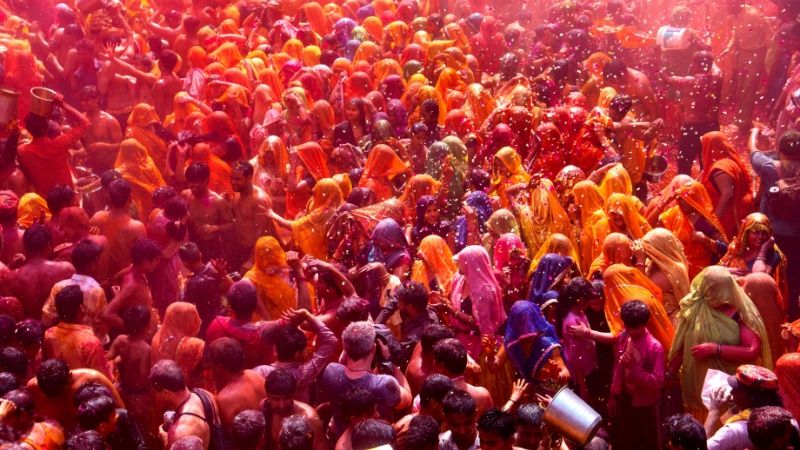
Another legend involves Lord Krishna and Radha. Krishna, worried about their skin color difference, playfully smeared colors on Radha’s face, inspiring the tradition of throwing colors, symbolizing love, equality and joy, especially celebrated in Mathura and Vrindavan.
Holi 2026 Dates & Timings
The key details of Holi 2026 are given below:
- Holika Dahan - 03 March 2026 (Tuesday)
- Purnima Tithi Begins - 05:55 PM on 02 March 2026
- Purnima Tithi Ends - 05:07 PM on 03 March 2026
Key Rituals of Holi 2026
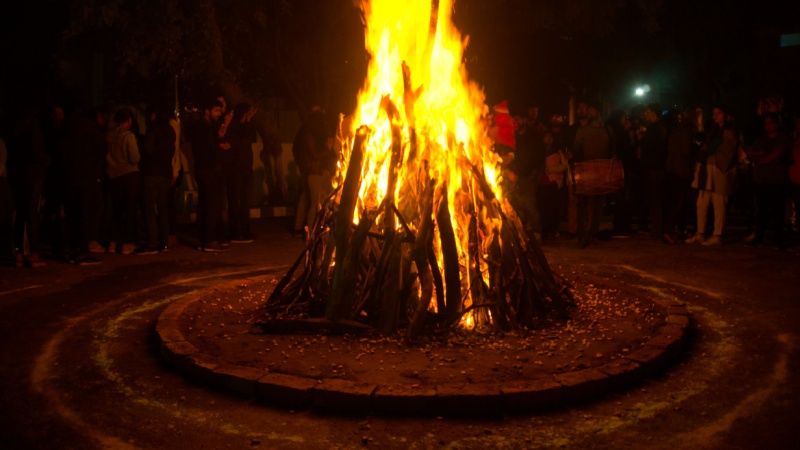
- Holika Dahan
Holi celebrations begin with Holika Dahan, held on the eve of the festival. People light bonfires to symbolize the victory of good over evil, recalling the story of Prahlad and Holika. Devotees often circle the fire, offer prayers, and perform rituals to ward off negativity.
- Rangwali Holi (Dhulandi/Dhulheti)
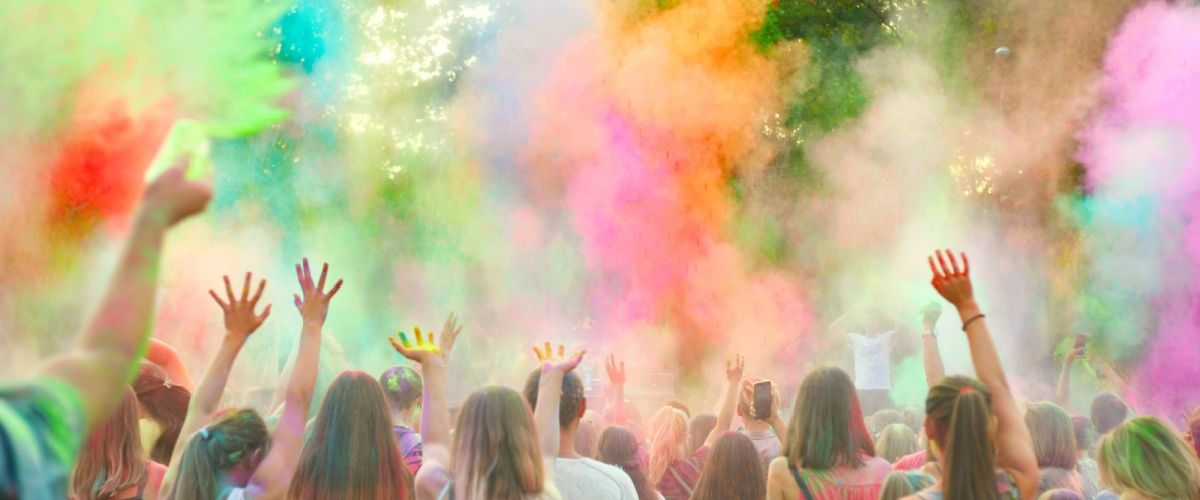
The main day of Holi is all about throwing colours and water. Friends, family, and neighbors smear vibrant powders on each other, dance and sing. This playful ritual celebrates joy, love and the arrival of spring.
- Applying Abir and Gulal
Traditionally, natural powders like Abir, Gulal and turmeric are used. People also apply colors on elders first as a mark of respect and then on everyone else, promoting unity and fun.
- Music and Dance
Folk songs, drums, and dances are central to Holi, especially in regions like Uttar Pradesh and West Bengal. Music accompanies both rituals and color play, creating a festive and lively atmosphere.
- Sharing Sweets and Special Foods
Holi is incomplete without food. Sweets like Gujiya, Malpua and drinks like thandai are prepared and shared. This fosters community bonding and celebration.
- Rang Panchami
In some regions, especially Maharashtra and Madhya Pradesh, Rang Panchami is celebrated five days after Holi. People continue the color-throwing festivities, marking the end of the Holi season.
Holi Celebrations Across India
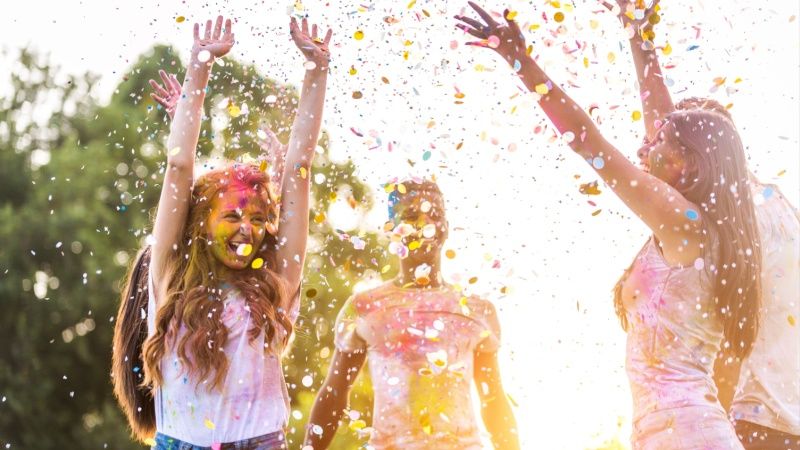
Holi is celebrated differently across India, reflecting its cultural diversity.
North India
In Uttar Pradesh, Bihar, and Rajasthan, Holi is celebrated with grandeur. Mathura and Vrindavan, considered Krishna’s birthplace, host multi-day celebrations. One unique tradition is Lathmar Holi, where women playfully hit men with sticks while men try to shield themselves. Barsana, Radha’s hometown, celebrates Holi with similar playful customs.
West India
In Maharashtra, Holi is called Shimga and includes folk dances, songs, and firecrackers. Gujarat celebrates Rang Panchami, a day of splashing colored water. These celebrations are known for their energy, music, and community gatherings.
East India
In West Bengal, Holi is observed as Dol Jatra or Dol Purnima, dedicated to Krishna. Devotees sing bhajans, apply colors, and celebrate divine love. Assam celebrates Holi Bihu, marking the harvest season with dance, music, and festive foods.
South India
While Holi is less prominent in southern states like Tamil Nadu and Karnataka, some regions celebrate spring and cultural traditions with temple rituals, music, and community events.
Popular Places to Celebrate Holi 2026
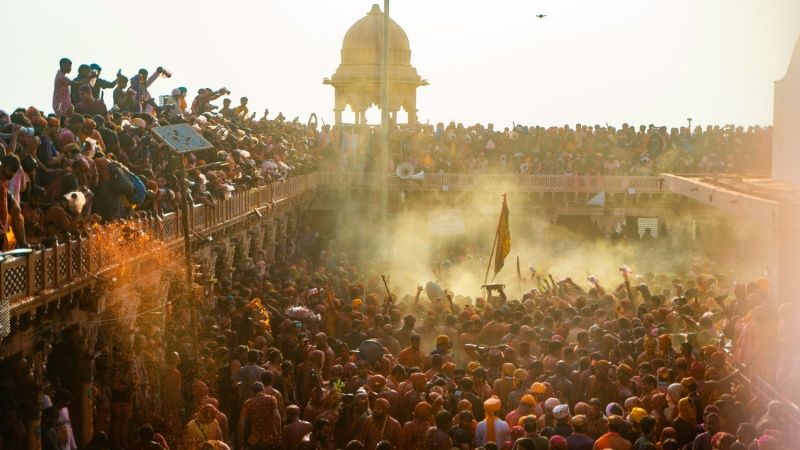
For those planning to experience Holi in India, certain destinations are particularly famous:
- Mathura & Vrindavan: Traditional Lathmar Holi, multi-day celebrations, Krishna and Radha stories
- Anandpur Sahib (Punjab): Hola Mohalla, featuring Sikh martial arts and processions
- Jaipur & Udaipur: Regal Rajasthani festivities with royal traditions
- Shantiniketan (West Bengal): Tagore’s Basanta Utsav, blending art, music and culture
- Delhi & Mumbai: Modern city parties with DJs, colour events and vibrant gatherings
What to Eat During Holi 2026
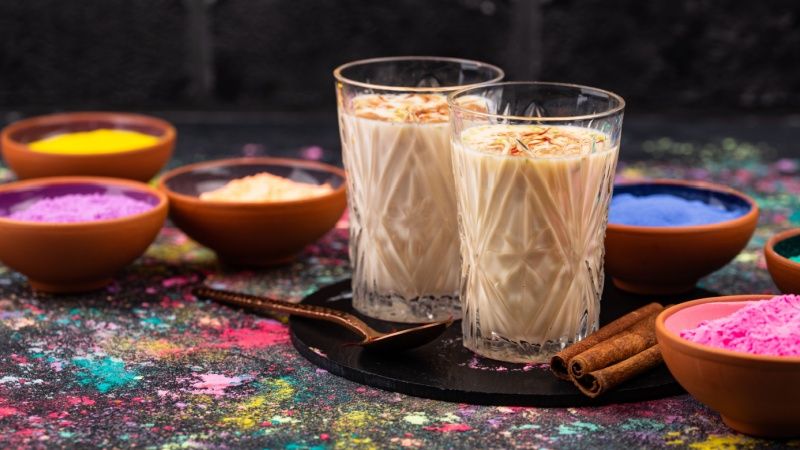
Food is central to Holi celebrations. Some traditional foods and drinks to enjoy during the festivities are:
- Gujiya: Sweet dumplings filled with khoya, nuts, and dry fruits.
- Malpua: Sweet pancakes, often soaked in syrup.
- Thandai: Milk-based drink with almonds, saffron, and spices.
- Puran Poli, Dahi Vada, and other regional snacks: Savory delights accompany the sweet dishes.
Celebrating Holi 2026: Tips and Etiquette
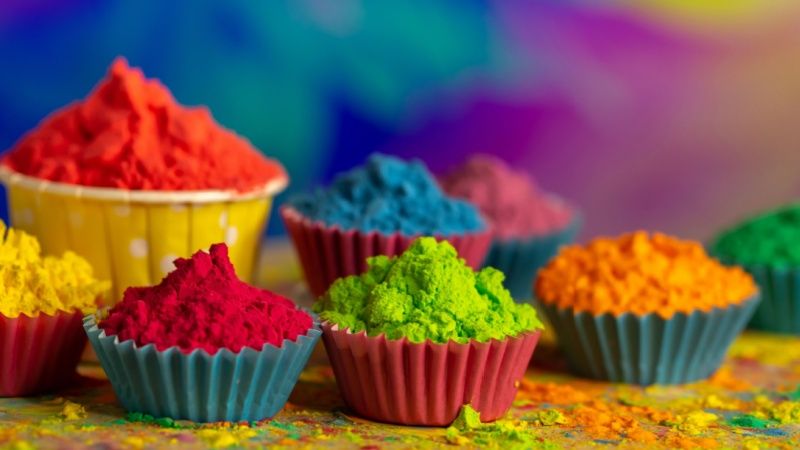
If you plan to celebrate Holi in 2026, whether in India or abroad, here are some tips and etiquette guidelines:
- Opt for natural, skin-friendly colors to avoid allergic reactions or environmental damage
- Apply coconut oil to your hair and use sunglasses to prevent staining and irritation
- Always ask before applying colour to someone, as not everyone may be comfortable with physical contact
- Keep yourself hydrated, especially in warm regions
- Enjoy Holi sweets in moderation to avoid any health issues
- Clean up colours and water responsibly to reduce environmental impact
Holi 2026 is set to be a celebration that blends tradition, modernity, and sustainability. From the mythological tales of Prahlad and Holika to the playful antics of Krishna and Radha, Holi carries deep spiritual meaning while offering the sheer joy of human connection. It bridges generations, communities and even nations, making it one of the most significant cultural festivals in the world. Book one of our India tour packages and get ready for an unforgettable celebration of life in all its vibrant hues!
FAQs - Holi 2026
Holi 2026 will be celebrated on 4 March (Wednesday). The festival typically spans two days, with Holika Dahan (the bonfire) on the eve of 3 March, followed by the main day of playing with colours on 4 March.
Holi symbolizes the victory of good over evil, the arrival of spring, and the celebration of love and friendship. It is rooted in Hindu mythology, particularly the stories of Holika and Prahlad and Lord Krishna and Radha.
Holi celebrations vary by region, from the famous Lathmar Holi in Barsana and Rang Panchami in Gujarat to Maharashtra’s Shimga, West Bengal’s Dol Jatra, and Assam’s Holi Bihu. In South India, festivities are regional and centered around temples.
Popular Holi treats include gujiya (sweet dumplings), malpua (pancakes), thandai (a spiced milk drink), and various savory snacks. These foods are shared among friends and family, adding a festive flavor to the celebrations.
For a sustainable Holi, you can use natural colours made from flowers, turmeric, or herbal powders, minimize water usage, and clean up responsibly after the festivities.
Holi’s vibrant colors, joyous music, and inclusive spirit have made it popular worldwide. Many countries now host Holi-inspired events, such as color runs, music festivals, and community gatherings, promoting cultural exchange and fun.
Mathura and Vrindavan are popular for traditional Lathmar Holi, Anandpur Sahib (Punjab) for Hola Mohalla, Jaipur and Udaipur for royal festivities, Shantiniketan (West Bengal) for Tagore’s Basanta Utsav, and Delhi and Mumbai for lively city parties.
Holi breaks down social, caste, and gender barriers, allowing people from all walks of life to come together in joy. It encourages forgiveness, reconciliation, and a sense of community, making it a festival that strengthens social bonds.
.jpg)