As winter casts its enchanting spell over the rugged highlands and historic cities, Scotland is gearing up for a 2025 festive season. This is expected to be more magical than ever. This year, Scotland is blending its ancient traditions with new, dazzling displays, creating a Christmas celebration that is capturing global attention. From the world-famous Edinburgh Christmas Market, now expanded with more artisanal crafts, to Glasgow's vibrant festive scene, the entire nation transforms into a winter wonderland. The unique combination of ancient Celtic and Norse traditions with modern festivities makes a Scottish Christmas a truly profound cultural experience. It is time you gear up to be swept away by the scent of pine and mulled wine, the sound of bagpipes playing carols and the warmth of Scottish hospitality. Continue reading to discover how you can be part of this unforgettable Christmas celebration in Scotland.
An Overview of Scotland’s Festive Season

The story of Christmas in Scotland is as dramatic as its landscapes. For nearly 400 years, from the end of the 17th century, the celebration of Christmas was banned by the Protestant Reformation, as they viewed the festivities as frivolous. This historical quirk meant that the Scots poured all their celebratory energy into New Year's Eve, creating the world-renowned festival of Hogmanay. However, later in the 20th century, Christmas made a spectacular comeback. Today, the Christmas celebration in the country is one of the largest in the world, a massive affair, attended by thousands of visitors from across the globe. The 2025 edition promises to be particularly special, with cities like Edinburgh and Glasgow expecting record-breaking crowds. The international interest is fueled by Scotland's unique offering: a dual celebration where the magic of Christmas markets and festive cheer flows directly into the unmatched revelry of Hogmanay, making it one of the most sought-after winter holiday destinations in the world.
Main Attractions & Event Highlights
1. Edinburgh’s East Princes Street Gardens Market
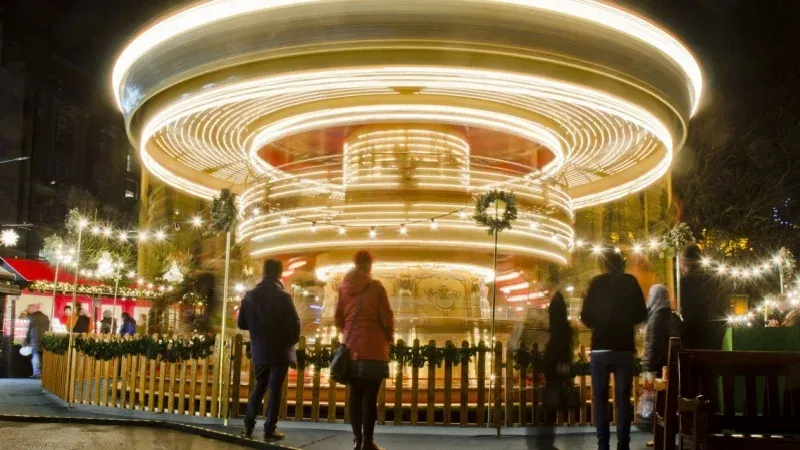
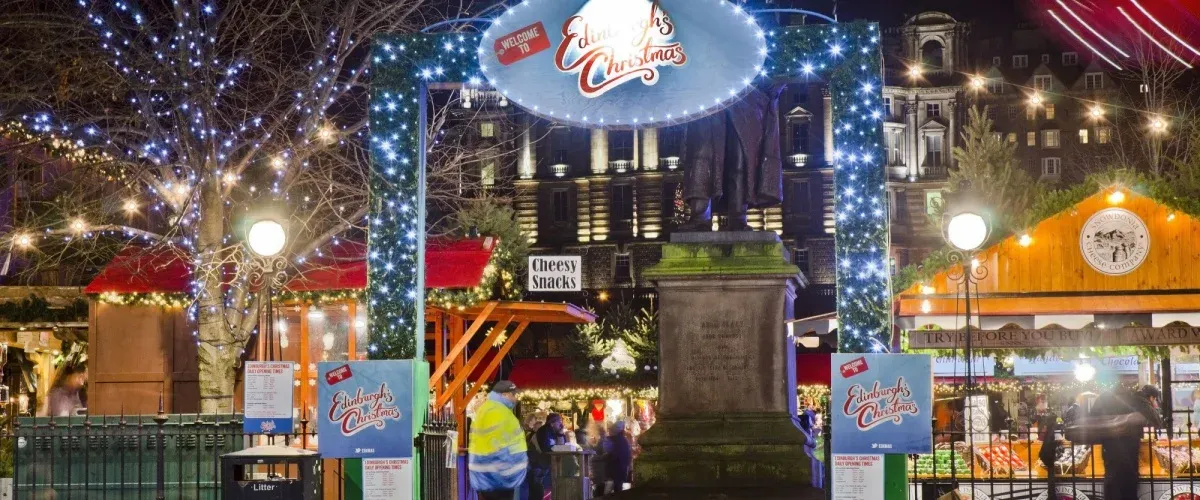
Edinburgh's Christmas Market is the glittering heart of the nation's festivities. Set against the stunning backdrop of Edinburgh Castle, the 2025 market in East Princes Street Gardens is a sensory delight. Over 100 stalls offer everything from handcrafted wooden toys and Scottish woolens to sizzling German bratwurst and mugs of Glühwein. The air is filled with festive music and the cheerful chatter of international visitors. For the best experience, visit on a weekday afternoon to avoid the biggest crowds. The lighting is most magical as dusk falls, so time your visit for around 3:30 PM to see the market transition from day to night.
2. Glasgow’s Festive Markets at George Square and St Enoch Square
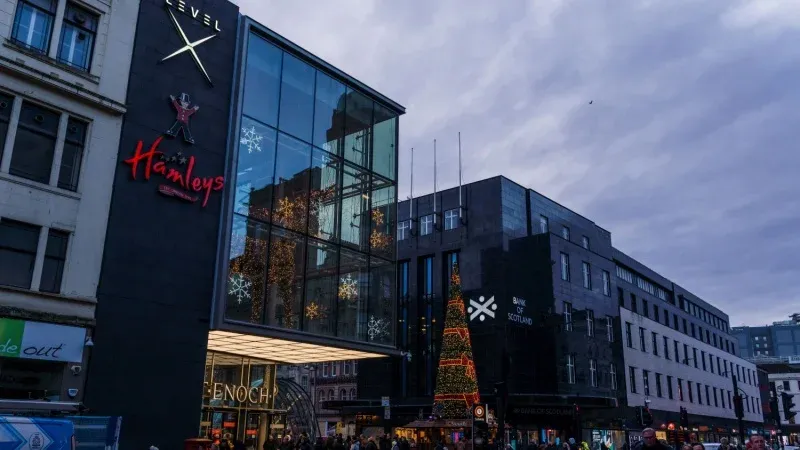
Glasgow offers its own unique and vibrant take on the Christmas market experience, spread across two main locations. George Square, the city's civic heart, transforms into a festive village complete with an ice rink, a traditional carousel and stalls representing dozens of countries. St Enoch Square, situated at the end of the main shopping thoroughfare, gives a more traditional market feel, with rustic chalets selling festive foods and artisanal gifts. For visitors, a practical tip is to use the city's excellent subway system to hop between the two squares easily. Arrive hungry, as Glasgow's markets are a foodie's paradise, offering everything from crispy potato rösti to rich hot chocolate.
Suggested Read: Atypical Things to Do in Scotland for an Exciting Excursion
3. Hogmanay: The Legendary Scottish New Year
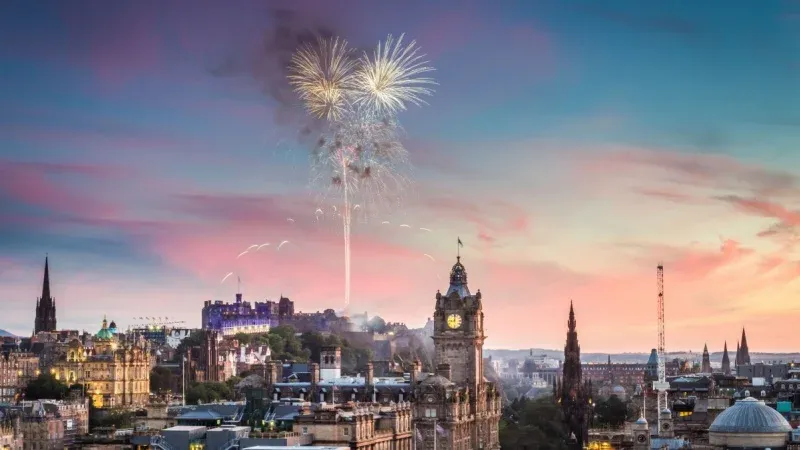
No festive trip to Scotland is complete without experiencing Hogmanay. This is Scotland’s world-famous New Year's celebration and it's an event of immense cultural significance. While towns and cities across Scotland have their own traditions, Edinburgh’s Hogmanay is something different. The main event is the Street Party on Princes Street, where tens of thousands of revellers from around the world gather for live music, entertainment and a spectacular fireworks display over the castle at midnight. For a truly special experience, consider tickets for the Concert in the Gardens, featuring major international music acts. A key tip for visitors is to book tickets and accommodation months in advance, as everything sells out. Remember to dress in warm, waterproof layers as you'll be outdoors for several hours in the Scottish winter.
4. A Highland Christmas in Inverness
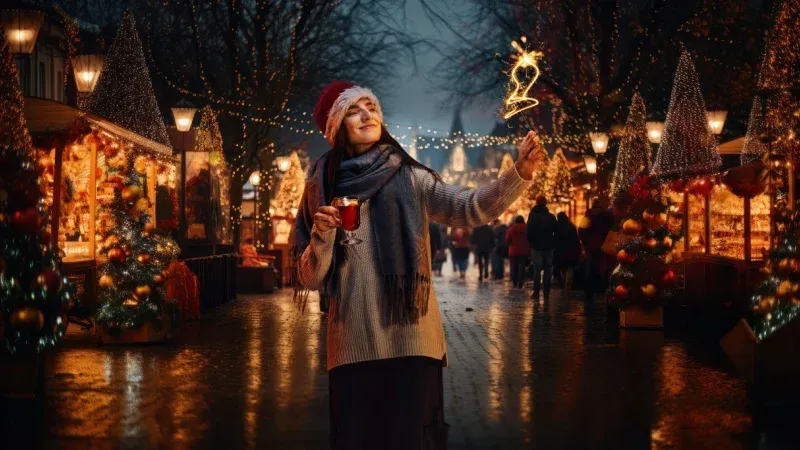
If you dream about a white Christmas, heading to the Highlands is a must. Inverness, the capital of the Highlands, serves as the perfect base for a more traditional and serene festive experience. Inverness hosts its own charming Christmas market at Eden Court, focusing on local crafts and produce. The real magic, however, lies in the surrounding landscape. Imagine a Christmas Day walk along the shores of Loch Ness or visiting a centuries-old pub with a roaring fire. The entertainment here is more natural and community-focused, with local choirs singing carols and intimate ceilidhs (traditional Scottish dances).
Suggested Read: Astonishing Places To Visit In Scotland For A Relishinig Sojourn
5. The Great Scottish Pantomime
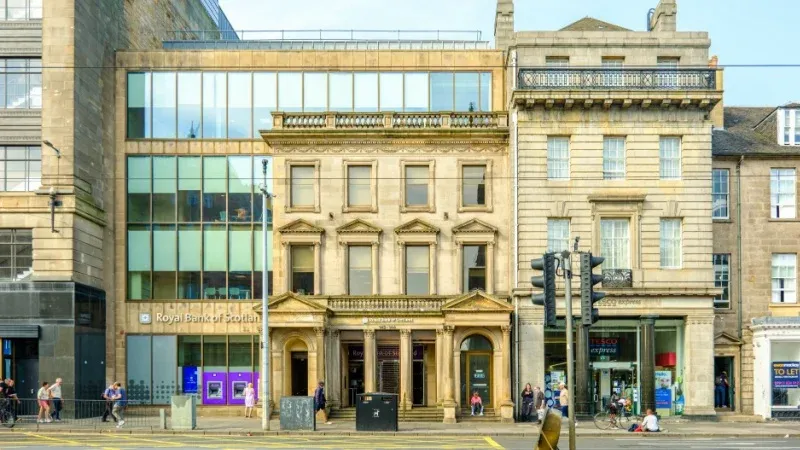
The pantomime or "panto," is a beloved British Christmas tradition that is particularly popular in Scotland. It's a theatrical comedy show for the family, based on a classic fairy tale but filled with topical jokes, slapstick humour, audience participation ("He's behind you!") and popular music. You should attend a panto to immerse yourself in local culture. Famous theatres like the King's Theatre in both Glasgow and Edinburgh put on spectacular, high-budget productions featuring well-known local actors. These shows are incredibly popular, so book your tickets as soon as they go on sale, often in early autumn. It's a loud, joyful and uniquely Scottish experience that provides a wonderful escape from the cold winter weather.
6. Festive Feasts and Traditional Ceilidhs
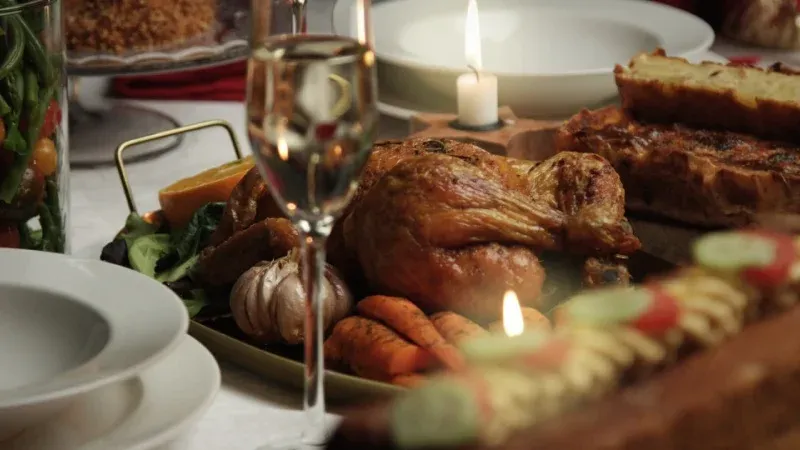
The Scottish festive season is also about feast and dance. A ceilidh is a traditional Gaelic gathering with folk music and dancing and during Christmas, many venues host special festive ceilidhs. You don't need any experience. A "caller" walks you through the steps for each dance, making it a fun and inclusive activity for everyone. It’s a brilliant way to meet locals and work off some of the festive food. While it comes to food, be sure to book a traditional Scottish Christmas dinner. Expect all the trimmings, but with a local twist, such as roast turkey served with neeps and tatties (turnips and potatoes) or a dessert of Cranachan, made with oats, cream, whisky and raspberries. Most pubs and restaurants here offer fantastic festive menus, but booking is essential, especially from mid-December onwards.
Insider Tips for Attending the Christmas Celebration in Scotland
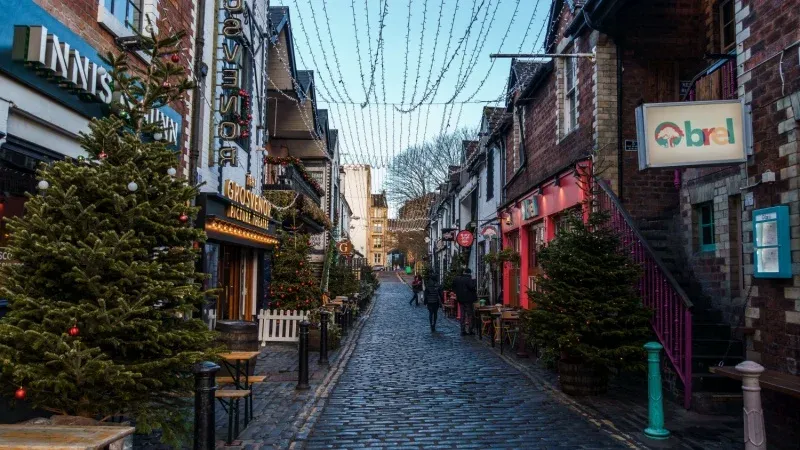
- Book Inter-City Travel Early: Trains between Edinburgh and Glasgow are frequent, but they become extremely crowded during the festive season. You must book the tickets on the ScotRail website weeks in advance for the best prices and to guarantee a seat.
- Embrace Layering: The Scottish weather is famously unpredictable. A waterproof and windproof outer jacket is essential. Underneath, wear layers like a fleece and a thermal top so you can adapt to the cold outdoors and the warmth of indoor venues.
- Carry Cash and Cards: Though most established shops and restaurants are card-friendly, many smaller stalls at the Christmas markets are cash-only. Hence, it's wise to carry a mix of both.
- Book Hogmanay Tickets by Autumn: Edinburgh’s famous Street Party and Concert in the Gardens tickets go on sale in late summer and are often sold out by October. Therefore, don't leave this to the last minute.
- Wear Comfortable, Waterproof Footwear: You will be doing a lot of walking on cobbled streets, which can be slippery when wet or icy. A good pair of comfortable, waterproof boots is your most important piece of clothing.
- Explore Beyond the Markets: The main markets are fantastic, but the real charm can often be found in the smaller, independent shops in areas like Edinburgh’s Victoria Street or Glasgow’s West End. Also, seek out a traditional pub with a fireplace for a cozy pint.
- Sample the Local Festive Treats: Don't just stick to bratwurst. You should try Scottish festive delicacies like mince pies, Christmas pudding with brandy butter and perhaps even a dram of festive-spiced whisky.
- Utilise Public Transport: In cities like Edinburgh and Glasgow, parking can be difficult and expensive. You must prefer the Lothian Bus service in Edinburgh and the simple-to-navigate subway system in Glasgow.
- Check Holiday Opening Hours: Many attractions, shops and even restaurants close on Christmas Day (December 25th) and Boxing Day (December 26th). You must plan the sightseeing and dining accordingly.
- Learn a Little Lingo: A friendly "Slàinte mhath!" (pronounced "Slanj-a-va"), meaning "good health" or "cheers," will be warmly received when you're raising a glass in a pub.
Suggested Read: Nightlife In Scotland: Top 10 Ways for an Astonishing Night
Travel Guide for Event Visitors
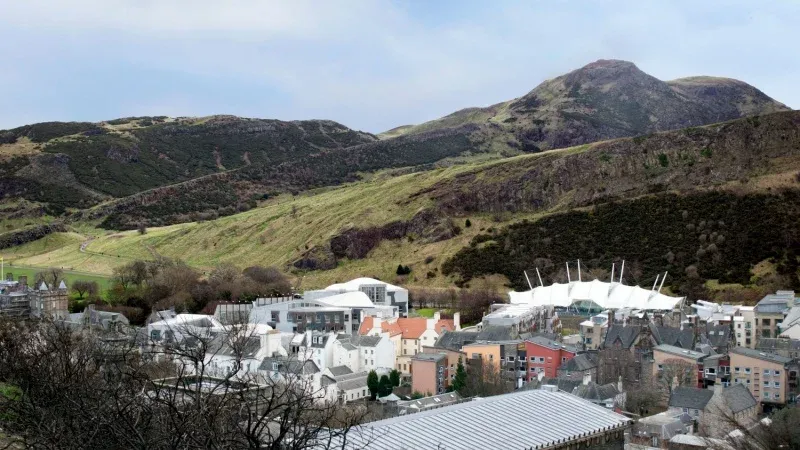
- Visa Policy: Scotland is part of the UK. Travelers from the EU, USA, Canada, Australia and many other countries do not need a visa for tourist visits of up to six months. However, it is good to check the latest UK government guidelines for your specific nationality before you travel.
- Ideal Travel Dates: To experience the best of both Christmas and New Year, plan your trip from around December 20th, 2025, to January 2nd, 2026. This allows you to enjoy the markets at their peak and stay for the full Hogmanay celebrations.
- Accommodation Tips: Hotels and rental apartments in city centers get booked up very early and prices surge. For better value, consider staying in well-connected neighbourhoods just outside the city center, such as Leith in Edinburgh or the West End in Glasgow.
- Language: English is the main language spoken. You will also hear the Scots dialect and, in some parts of the Highlands, Scottish Gaelic. Everyone involved in tourism will speak English fluently.
- Transport Options: Scotland has a reliable train network connecting major cities. Within cities, buses are the most common form of transport. Glasgow also has a subway. Ride-sharing services like Uber are available in major cities, but black cabs are also plentiful.
- Food and Drink Availability: The Christmas markets are a great source of street food. Pubs offer hearty meals and a warm refuge. For dinner, it's highly recommended to book a table in advance, especially on weekends and during the week of Christmas itself.
The Christmas celebration in Scotland offers a truly unique blend of sparkling modernity and deep-rooted tradition that is simply unmatched. Attending this event is about more than just visiting markets; it's about experiencing the genuine warmth of Scottish hospitality, taking part in centuries-old traditions like Hogmanay and creating memories against a backdrop of some of the world's most beautiful scenery. It is an opportunity to fill your senses with the sights, sounds and tastes of a proper, magical winter festival. Start planning your Scottish winter adventure today by booking a bespoke holiday package with Myholidays.
FAQs - Christmas Celebration in Scotland
Most major markets, like those in Edinburgh and Glasgow, officially open in mid-to-late November and run until the first week of January, ensuring you have plenty of time to visit.
Expect cold weather. Average daytime temperatures hover between 1-7°C (34-45°F). Snow is possible, especially in the Highlands, but rain and wind are more common in the cities.
Almost everything is closed on Christmas Day (December 25th). Some hotels and restaurants may offer pre-booked Christmas dinner services, but transport, shops and attractions will not be operating.
Christmas is the festive period leading up to December 25th, celebrated with markets, trees and family gatherings. Hogmanay is specifically the Scottish celebration of New Year's Eve (December 31st), which is often a much bigger and more public party than Christmas.
Edinburgh offers a more traditional, picturesque market experience set against a historic backdrop while Glasgow provides a vibrant, energetic atmosphere with great shopping and a lively music scene.
Of course. Restaurants that are open for Christmas lunch or dinner are often fully booked weeks or even months in advance. It is essential to research and reserve a table as early as possible.
Yes, Scotland is generally a very safe country for solo travelers. The festive events are well-organised with a strong security and police presence. As with any crowded place, just be mindful of your belongings.
While you can carry your own water bottle, the Christmas markets are primarily a food and drink destination. You are not allowed to bring your own alcohol and it is generally expected that you will purchase food and drink from the vendors on site.