Al Mansoura, a vibrant district nestled in the heart of Doha, Qatar, is a testament to the rich history and cultural diversity of the region. This area, known for its unique blend of tradition and modernity, offers a fascinating journey through time. In this article, we'll explore the history of Al Mansoura, its cultural significance, and its role in the growth of Doha.
The Origins of Al Mansoura
The history of Al Mansoura can be traced back to the early days of Doha's development. Originally a humble settlement, it has grown into a bustling district that plays a crucial role in the city’s dynamic landscape. The name "Mansoura" itself is derived from the Arabic word for "victorious," symbolizing the area's resilience and growth through the years.
Early Settlement and Development
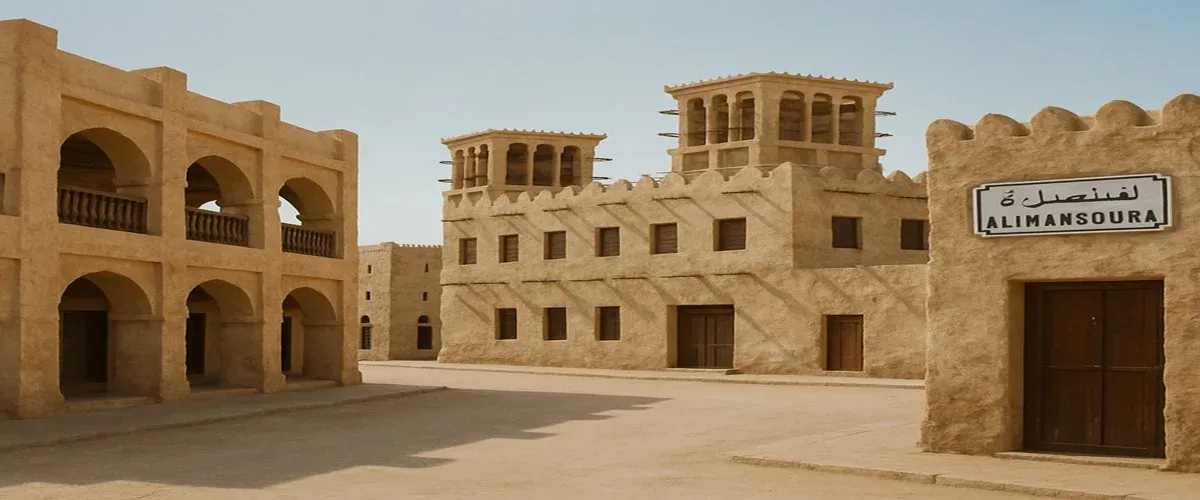
In the early 20th century, Al Mansoura was primarily a residential area, home to families who contributed to the early development of Doha. The settlement was characterized by traditional Qatari architecture, with houses made of coral rock and limestone, reflecting the materials readily available in the region. As Doha expanded, Al Mansoura became a key player in the city's urbanization.
Cultural Melting Pot
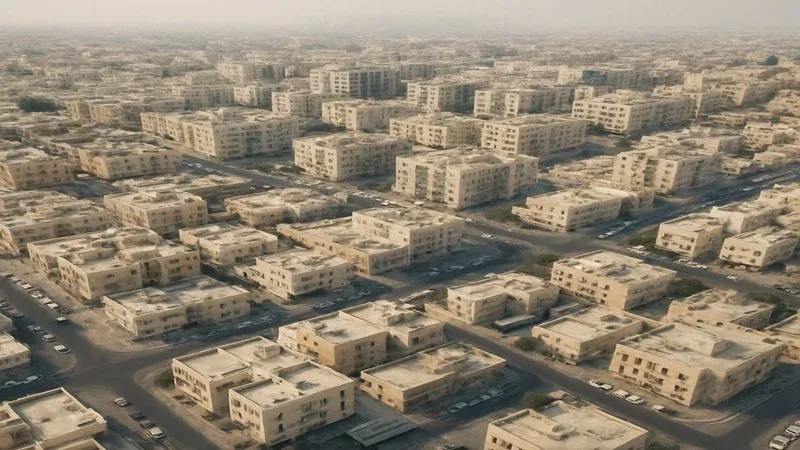
Al Mansoura's strategic location in Doha has made it a melting pot of cultures. Over the years, it has attracted people from various backgrounds, contributing to its rich cultural tapestry. This diversity is reflected in the wide array of cultural activities, cuisines, and languages that are part of daily life in the district.
Architectural Evolution
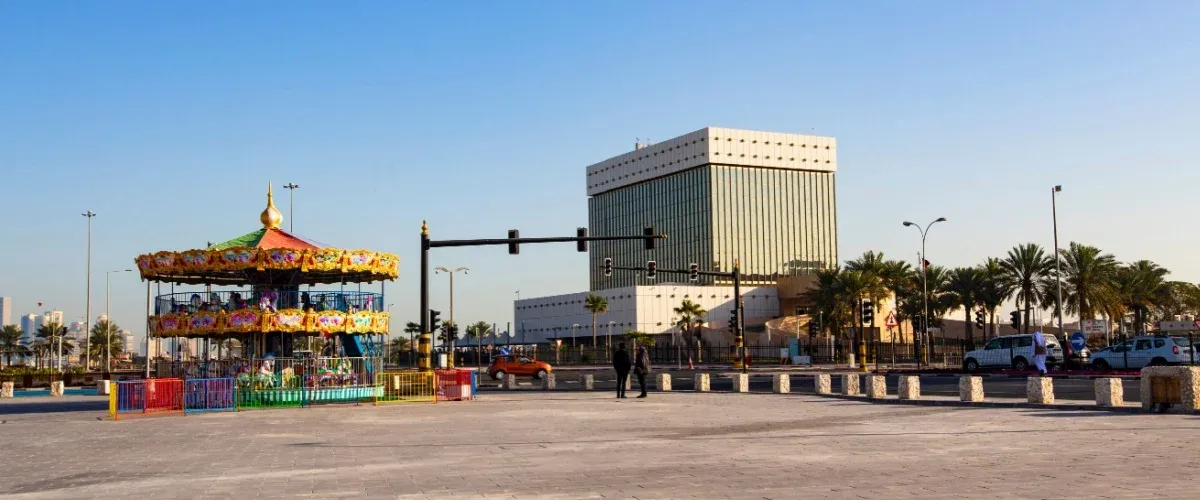
The architecture of Al Mansoura is a fascinating blend of the old and the new. The district has managed to preserve its traditional charm while embracing modern architectural trends, making it a unique part of Doha's urban landscape.
Suggested Read: Top Tourist Places to Visit in Qatar
Traditional Qatari Architecture
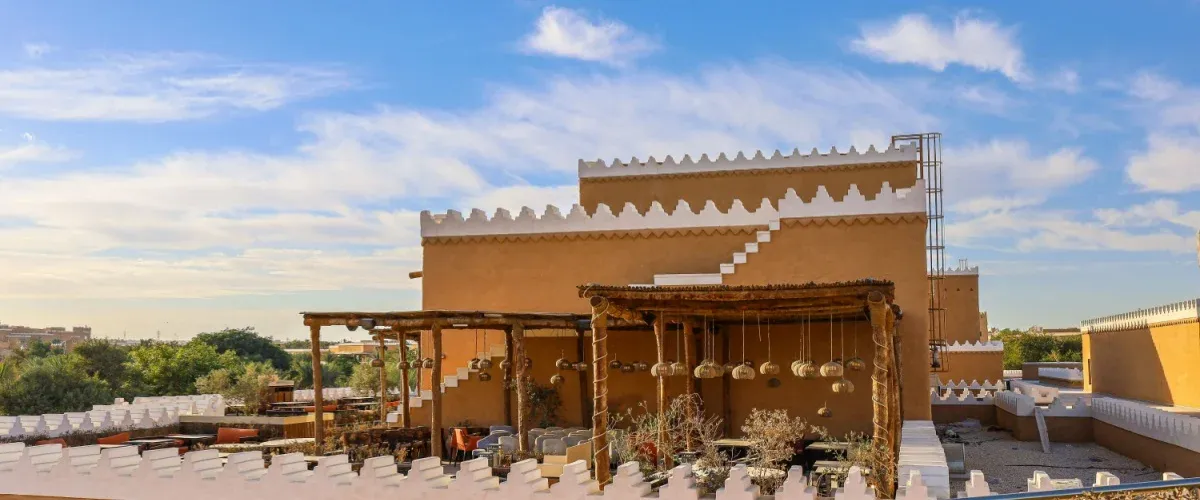
The early architecture in Al Mansoura was influenced by traditional Qatari designs. Homes were built to withstand the harsh climate, featuring thick walls and small windows to keep interiors cool. Courtyards were common, providing families with a private outdoor space.
Modern Developments
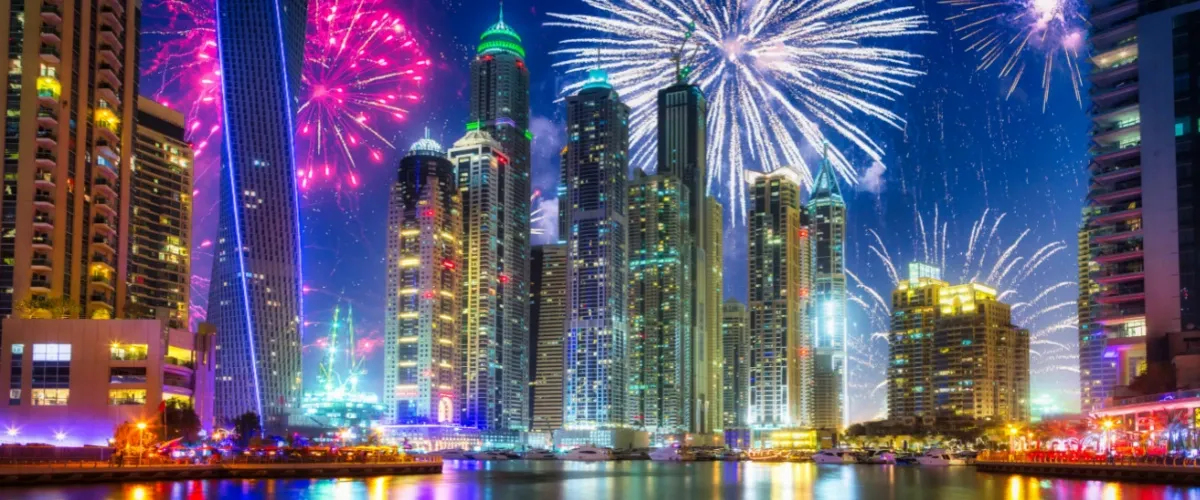
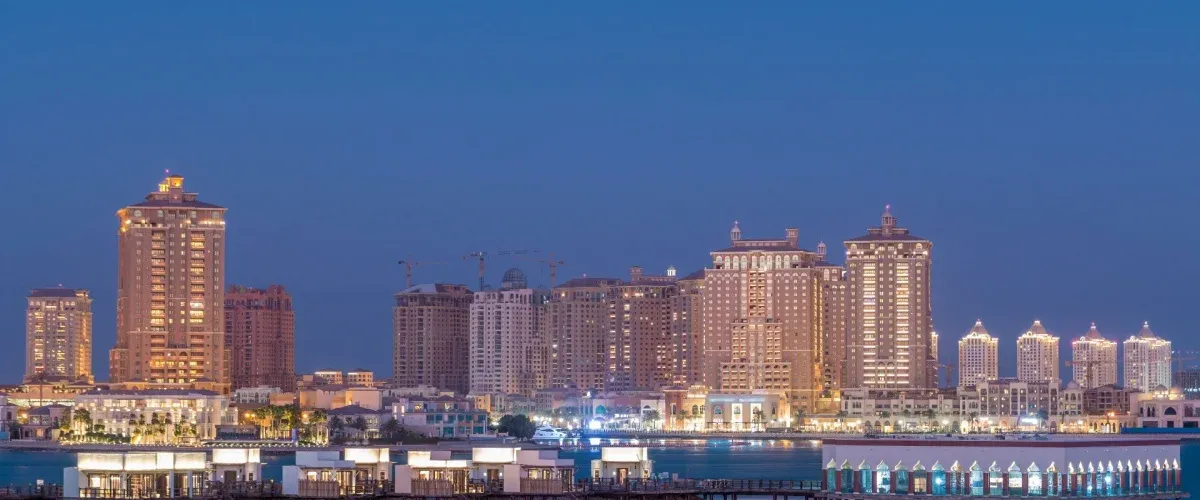
In recent decades, Al Mansoura has seen significant modernization. New developments have brought modern skyscrapers and contemporary housing, transforming the skyline while still respecting the district's historical roots. This architectural evolution reflects Doha's growth as a global city.
Al Mansoura's Cultural Significance
Al Mansoura is not only a residential and commercial hub but also a center of cultural significance in Doha. The district hosts numerous cultural events and festivals that celebrate Qatar’s heritage and its diverse community.
Festivals and Events
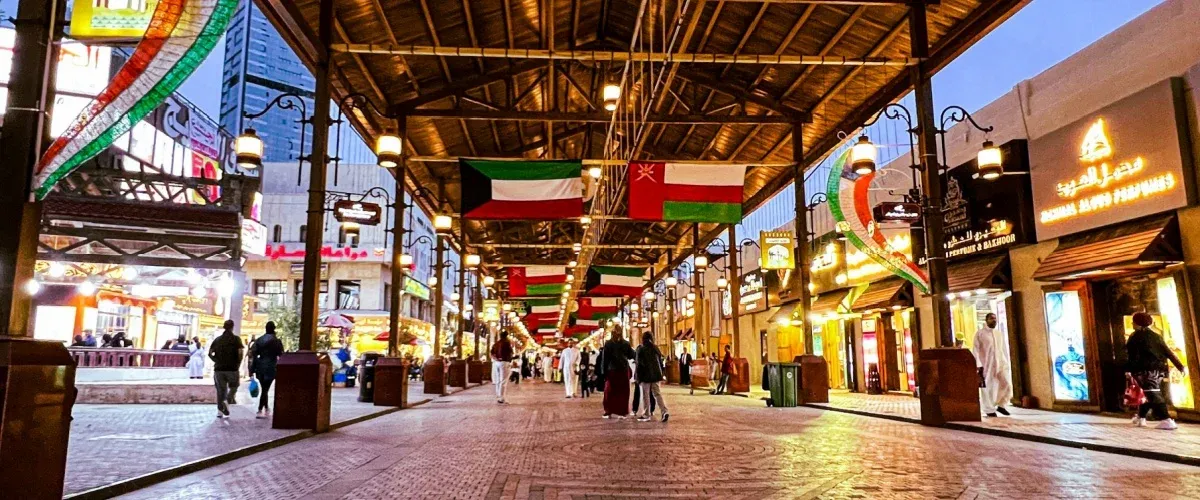
Al Mansoura is known for its vibrant festivals and cultural events, which attract visitors from across the city. These events showcase traditional music, dance, and cuisine, offering a glimpse into Qatar's rich cultural heritage.
Culinary Delights
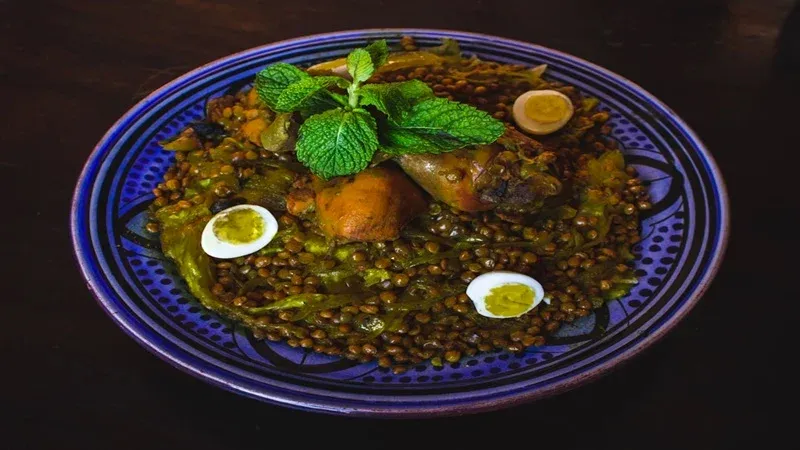
The diverse population of Al Mansoura is reflected in its culinary offerings. From traditional Qatari dishes to international cuisines, the district is a food lover's paradise. Local eateries and international restaurants coexist, offering a taste of the world in the heart of Doha.
Role in Doha's Growth
Al Mansoura has played a significant role in Doha's growth, contributing to the city's economic and social development. As Doha continues to evolve, Al Mansoura remains a vital part of its urban fabric.
Economic Contributions
The district's strategic location makes it a key player in Doha's economy. It hosts numerous businesses and commercial establishments, providing employment opportunities and contributing to the city's economic vitality. The growth of Al Mansoura has been instrumental in supporting Doha's position as a leading global city.
Social and Community Development
Al Mansoura is not just about economic growth; it's also about community development. The district has numerous schools, parks, and community centers, making it a family-friendly area. The community's emphasis on education and social activities fosters a sense of belonging and unity among residents.
Suggested Read: Explore Top Places to Visit in Doha: Discover Hidden Gems and Popular Attractions
Future Prospects
Looking ahead, Al Mansoura is poised for continued growth and development. As Doha prepares to host global events and expands its infrastructure, Al Mansoura will play a critical role in accommodating the city's growing population and supporting its ambitions on the world stage.
Infrastructure and Transportation
Future infrastructure projects aim to improve transportation within Al Mansoura, making it easier for residents and visitors to navigate the district. Enhanced public transport options and road networks will further integrate Al Mansoura into the broader Doha metropolitan area.
Sustainable Development
As part of Doha's commitment to sustainable development, Al Mansoura is expected to adopt environmentally friendly practices in its urban planning. This includes green spaces, energy-efficient buildings, and sustainable transportation options, ensuring the district's growth aligns with global sustainability goals.
Conclusion
Al Mansoura's rich history and cultural significance make it an integral part of Doha's identity. From its humble beginnings as a small settlement to its current status as a bustling district, Al Mansoura has continually evolved while preserving its unique charm. As Doha continues to grow and develop, Al Mansoura will undoubtedly remain a vibrant and essential part of the city's future.
Whether you're a resident or a visitor, exploring Al Mansoura offers a fascinating glimpse into the past, present, and future of Doha. It's a district that embodies the spirit of Qatar, showcasing its resilience, diversity, and vision for the future.